
Premature babies and childcare

A baby born before the 37th week of pregnancy is considered premature. Premature babies born at 35 or 36 weeks may be perfectly healthy but slightly smaller than expect but before that they may have not had time to fully develop in the womb and need to continue developing outside. The lungs are the last organ to develop, which is why mothers at risk of preterm labour are often given steroid injections, so a premature baby may need help breathing in the first weeks and their lungs remain fragile for some time.

A premature baby who had breathing difficulties may be at increased risk of catching certain infections, such as RSV which is common in children under 5. Your doctor is the best person to advise you on the risks to your child but there is a higher chance of catching an illness in a group setting, so a care provider who comes to your home such as a nanny or who cares for a small group of children such as a childminder might be safer in the first years of life. It’s important that care providers are made aware of prematurity as they should take corrected age, rather than actual age, into account when assessing development and may need to be especially careful about hygiene. Some childminders, for example, will accept children with minor illnesses but you may be uncomfortable with that if you child is prone to infections so you will need to come to an agreement.

A good childcare provider will use their knowledge of healthy, term infant and child development to monitor progress bearing the adjusted age in mind. Most childcare courses cover child development in detail and, as premature babies may show some developmental delay, it’s important to bear the need to identify key milestones in mind when choosing a childcare provider, particularly a nanny where no minimum qualification is needed. One thing that can be difficult as a parent of a premature child is the temptation to make comparisons with other children. This is particularly obvious in a nursery setting where many children of the same age are grouped together but it’s important to remember that each child develops individually right from conception and a corrected age rather than actual age is more important up to the age of two.

It can be very difficult to take the decision to leave a child who was premature in childcare. Parents who are used to taking extra care with their baby may find it harder than usual to leave them with someone else, even when it is a professional child carer. You may need a longer settling in or handover period to adjust both baby and parent to the new circumstances.

Although prematurity can have lasting effects many babies are perfectly healthy and show only a slight delay so although it’s important to bear the circumstances surrounding their birth in mind, particularly when assessing development, most need no more care than a baby of their corrected age when entering childcare

Explaining Terrorism to Children

As parents and caregivers, it can be extremely difficult to answer questions from children about terrorism. It’s a heart-breaking subject that you might wish you could push away or not discuss, but it’s quickly becoming a necessity due to the world that we live in.

The act of terrorism and the horror it brings is hard for even most adults to come to terms with and understand, which is why, following the terrible events occurring all over the world, we’ve put together some advice to help explain terrorism to your children.

Continue reading “Explaining Terrorism to Children”

Why You Shouldn’t Micromanage Your Nanny

Many of us are familiar with the frustration that comes along when your boss or manager constantly breathes down your neck telling you how to do your job. It’s undermining, infuriating and annoying, and if done often enough, it can make you hate your job.

Paragraph


Many of us are familiar with the frustration that comes along when your boss or manager constantly breathes down your neck telling you how to do your job. It’s undermining, infuriating and annoying, and if done often enough, it can make you hate your job.

Now imagine how your nanny feels when you tell her exactly what time she needs to put your child down for a nap, how many grapes he can eat, which games she should play with him, even what shape to cut his sandwiches. Sound familiar?

Your nanny is good at her job. You checked her references, read her resumé and can see she knows what she’s talking about. Bear in mind that a great many nannies have more experience with childcare than most parents have at simply being parents. She’s been doing the job a long time, it’s her life, her passion, and you need to learn to let go of the reigns a little and trust her judgement.

It probably won’t be easy, especially if you’re a new parent, it can be difficult to relinquish control to someone new and to put faith in them being able to care for your little one the way you would. However, if you don’t do this, there’s really no point in hiring a nanny in the first place and all your micromanaging will result in a frustrated nanny, a tense relationship between you and your nanny (that your child will probably pick up on) and you’ll find yourself feeling tired and on-edge, when you should be more relaxed and confident that your child is in capable hands.

That’s why we’ve put together our top tips to help keep your micromanaging to a minimum:

Continue reading “Why You Shouldn’t Micromanage Your Nanny”

The kids are away…

The kids are away so nanny will play?

It’s not unusual for nanny employers to have more holiday than the minimum entitlement, and parents may choose to go away during school holiday time or if the family is co parenting , which may leave the nanny without any charges to look after.

An empty house can also be a good opportunity to ask your nanny to undertake tasks that are easier without distraction and get ahead, for example by getting everything ready for a new school year. These tasks can also be completed flexibly, allowing your nanny to schedule routine appointments without eating into her holiday or impacting on you. Here are some things you could ask your nanny to do:

– batch cooking meals for the freezer

– sorting through clothes which have been outgrown and putting them away

– making a list of new clothing purchases

– buying, washing and naming school unifrom

– buying school supplies

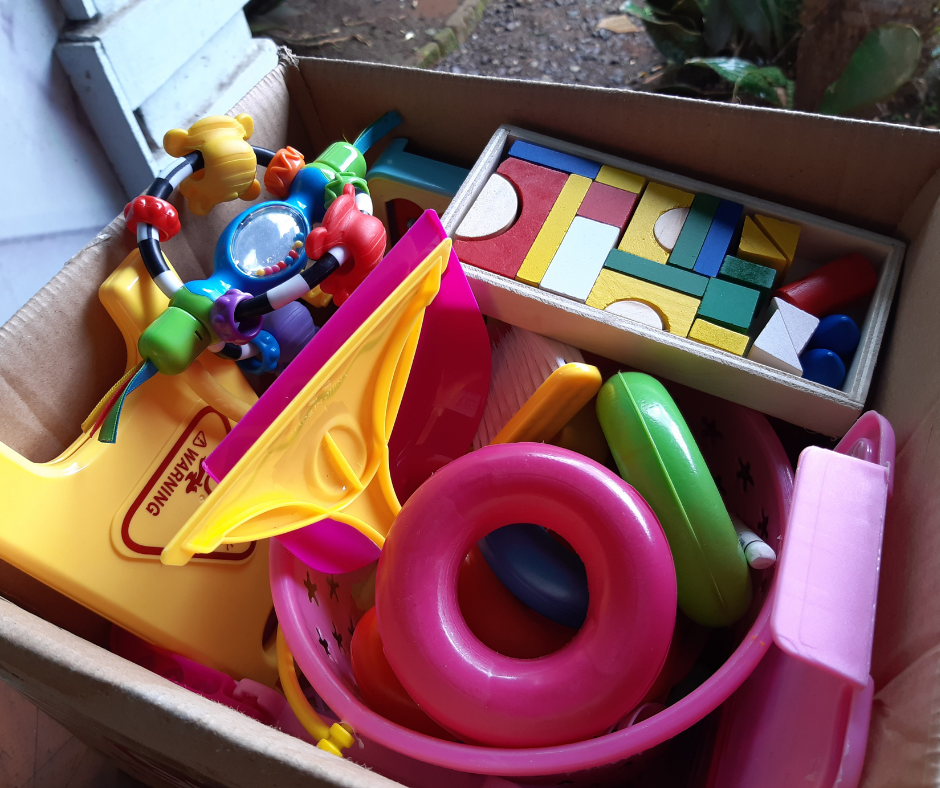
– washing and repairing toys, and putting away anything which is no longer appropriate

– washing and sterilising bath toys

– sorting and restocking the arts and crafts box

– making a list of suggested toys, ideal for Christmas and birthday ideas

– ensuring there are enough children’s toiletries and first aid supplies, and restocking as necessary

REMEMBER – it’s a great perk to give a nanny extra paid time off, and it stores up flexibility for those days when you’re a little late home from the office although few nannies will agree to a formal carrying over of hours. It’s unfair to expect this time off to be unpaid; after all your nanny is available to work and may not be able to find a replacement source of income and this will only breed resentment further down the line, agreeing to some flexibility on both sides ensures a happy household.

Nannies and Disabled Parents: It’s a Winning Combination

Parenting is one of the most challenging things you’ll ever do. Raising a baby through childhood isn’t easy, and it’s even harder for disabled parents. Especially those without a solid support system.

Disabled parents often have a harder time admitting when they need help. Every parent has days where they feel overwhelmed and in desperate need of respite, but disabled parents don’t always have the courage to stand up and ask for the help they need for fear of negativity from others like being seen as unfit to parent or unable to cope.

By welcoming a nanny into your family, you can gain the help you need without worrying about negativity – after all, it’s not like nannies are unheard of!

Here are our top reasons why a nanny is a perfect choice for disabled parents: Continue reading “Nannies and Disabled Parents: It’s a Winning Combination”

Can starting a blog be good for children?

It might seem like a strange question, especially with all the warnings about children and screen time that are constantly in the news, but can blogging actually be beneficial for children?

According to online safety charity WiredSafety, in 2017, there were over 6 million children around the world, regularly writing blogs and whilst there are a number of dangers revolving around children and the internet, there are also a number of benefits to blogging.

Continue reading “Can starting a blog be good for children?”

Talking tantrums

Parents and childcarers – nannies, childminders, aupairs or nursery staff – are almost all familiar with the tantrums, but there can be differences of opinion on how to deal with them.

As a childcarer it’s difficult to bring up a sensitive subject. Tantrums are an entirely normal phase of development, coming from a child’s desire to show their independence and assert themselves or an inability to communicate, and intellectually parents know that but no-one likes to hear that their child has been ‘misbehaving’.

Parents may not share details of the behaviours with childcarers, perhaps feeling that it’s a reflection on their parenting skills, or perceived lack thereof. Children do often save their worst behaviour for their parents but it is not a sign of weakness to make others aware of facts.

It’s important that neither party shies away from discussing the issue. The best way to deal with tantrums is a consistent approach from everyone involved. That way a child quickly learns what the limits are and that having a paddy isn’t an effective way of getting what they want. Communicating also allows parents and childcarers to share tips and tricks. Parents may know what frustrates their child and be adept at handling it so sharing that information with their child’s carer is vital to help prevent tantrums. Childcarers may be able to offer strategies that have worked with other children or reassure parents that their child is indeed learning to deal with frustration and that the tantrums will soon decrease.

Toddlers especially need to make sense of the world. It’s reassuring for them to have a set of consistent rules and boundaries, consistent positive attention for good behaviour and a consistent response to a tantrum. It’s especially important that everyone is on the same page when it comes to safety. Communicating about expectations and accommodating each other’s practices where possible makes the transition as easy as possible for children and avoids unnecessary tantrums.

Children also need autonomy. Some adults are inclined to say ‘no’ to anything out of the ordinary, even when it’s perfectly possible to accommodate a request, and others will bend over backwards to comply. Obviously in group childcare settings it’s more difficult to deal with individual whims, and it doesn’t do any good to spoil children by giving in to them all the time, but by working together parents and carers can agree what will or won’t be accommodated.

Finally, while it’s important to communicate between adults it’s also important not to let what happens when you aren’t there affect your relationship with a child. Sharing information should help you understand and deal with tantrums, but it needs to be done sensitively and with respect.

New Year Resolutions for Parents and Childcare Professionals

How many New Year’s resolutions have you seen or heard from your family, friends and co-workers so far? How many of those were about weight, smoking, drinking, or travel? How many of those were about parenting or childcare? I’m guessing the latter was a significantly smaller number than the former.

This New Year, wouldn’t it be nice for us to make a New Year’s resolution that will not only benefit ourselves but our children and the rest of our family? That’s why we’ve put together a list of areas that we can all try to improve upon in the New Year when it comes to caring for our children.

Continue reading “New Year Resolutions for Parents and Childcare Professionals”

Fun Elf on the Shelf Ideas!

How are you getting on with that mischievous little man (or woman) known as Elf on the Shelf. It can be difficult to think of new mischief for your elf to get up to, especially if this isn’t the first year he’s come to stay.

That’s why we’ve put together plenty of new Elf on the Shelf ideas to help delight children of all ages this Christmas!

Continue reading “Fun Elf on the Shelf Ideas!”

How to Keep Kids Active in Winter

As temperatures plummet it understandable to want to retreat to the house where it’s warmer, but the bad weather shouldn’t be an excuse for children to swap playing outside for lounging in front of the TV.

That’s why we’ve put together some simple ideas to help keep your children active this winter:

Continue reading “How to Keep Kids Active in Winter”