
Planting Seeds of Kindness: Teaching Children Empathy

In a world brimming with diversity and challenge, kindness and empathy stand as pillars of human connection and understanding. For parents, nannies, and educators, teaching children about empathy and kindness is not just a lesson; it’s a gift that keeps on giving, shaping compassionate, thoughtful individuals. Here’s how we can cultivate these essential qualities in children, fostering a future where empathy and kindness are at the forefront.

In a world brimming with diversity and challenge, kindness and empathy stand as pillars of human connection and understanding. For parents, nannies, and educators, teaching children about empathy and kindness is not just a lesson; it’s a gift that keeps on giving, shaping compassionate, thoughtful individuals. Here’s how we can cultivate these essential qualities in children, fostering a future where empathy and kindness are at the forefront.

Start with Understanding Emotions

Empathy begins with understanding one’s own emotions and recognising them in others. Encourage children to express how they feel and validate their emotions. Use stories, books, or even puppet shows to discuss different scenarios and feelings, helping children to put themselves in someone else’s shoes.

Lead by Example

Children learn a lot by observing the adults around them. Display acts of kindness and empathy in your daily life. Whether it’s helping a neighbor, sharing with friends, or simply listening to someone’s story without judgment, showing children how it’s done can be incredibly powerful.

Practice Active Listening

Teach children the value of listening to understand, not just to respond. Active listening involves giving full attention to the speaker, acknowledging their feelings, and responding thoughtfully. This practice not only aids in developing empathy but also enhances communication skills.

Encourage Perspective-Taking

Perspective-taking goes a step beyond recognizing emotions; it involves understanding why someone might feel a certain way. Engage in role-playing games or discussions that encourage children to think about different perspectives. Questions like “How do you think they felt?” or “What would you do in their place?” prompt deeper thinking.

Foster a Helping Mindset

Involve children in acts of kindness, be it through community service, helping out at home, or supporting a friend. Highlight the impact of their actions on others to show them how even small deeds can make a big difference.

Celebrate Empathetic Actions

When you notice a child being kind or showing empathy, acknowledge it. Praise, rewards, and even simple recognition can reinforce these behaviors, encouraging them to continue acting compassionately.

Use Art and Creativity

Art, music, and creative writing can be powerful outlets for expressing and understanding emotions. Encourage children to draw pictures of acts of kindness or write stories about helping others. These activities not only nurture their creative talents but also deepen their understanding of empathy.

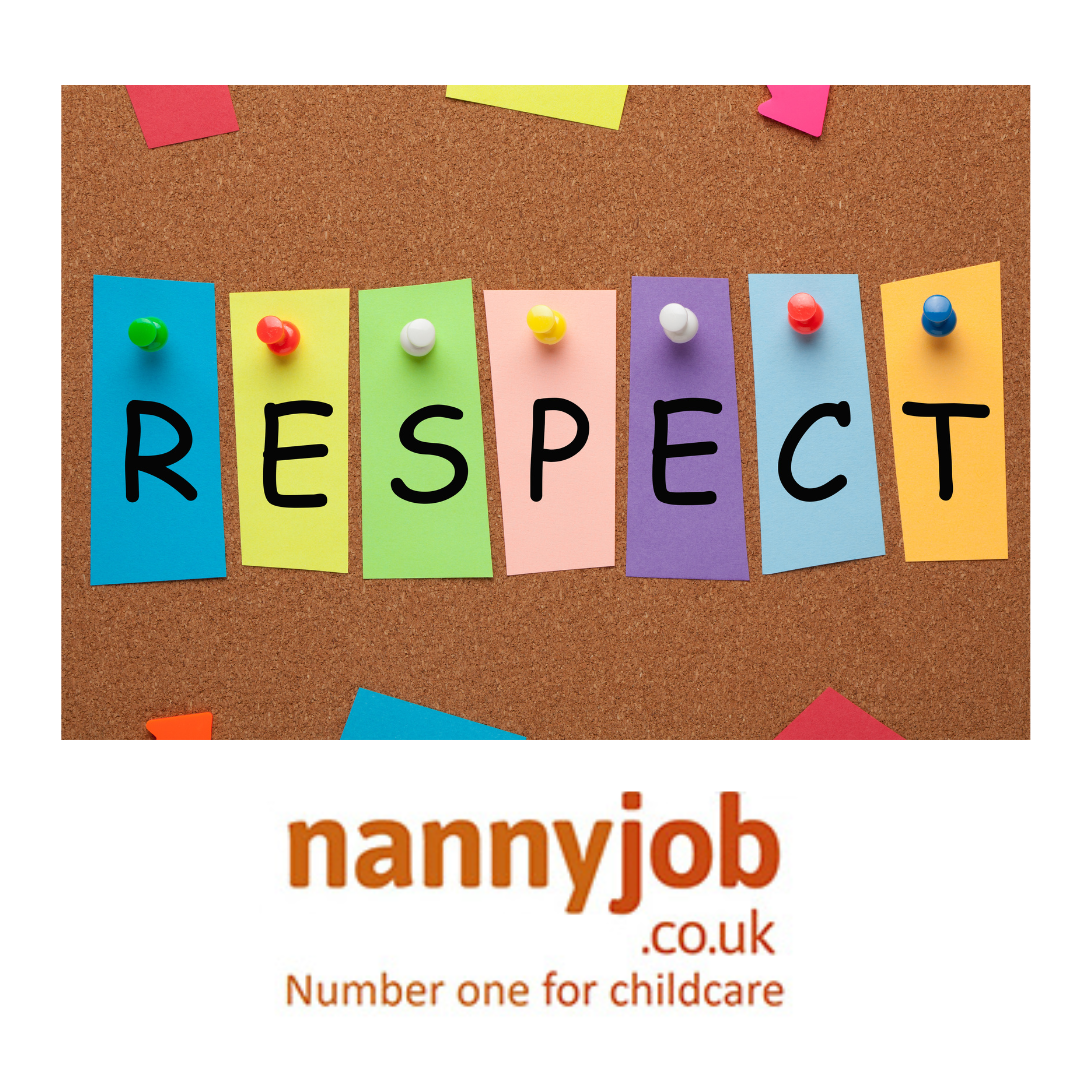
Cultivate an Environment of Respect and Kindness

Create an environment where everyone’s feelings and thoughts are respected. Encourage sharing, cooperation, and understanding among siblings, peers, and even adults. A respectful environment lays the groundwork for empathy and kindness to flourish.

Teaching children about empathy and kindness is a journey filled with teachable moments, heartfelt discussions, and invaluable life lessons. By embedding these principles into the fabric of daily life, we equip children with the tools they need to navigate the world with compassion, understanding, and a deep-seated respect for the diverse tapestry of human experience.
Building Bridges: Effective Communication Between Parents and Nannies

In the world of childcare, the relationship between parents and nannies is pivotal. At its core, this relationship thrives on trust, respect, and, most importantly, effective communication. Whether it’s discussing daily routines, addressing concerns, or sharing milestones, clear communication fosters a positive environment for everyone involved, especially the children. Here are strategies to ensure open and effective communication between parents and nannies.

In the world of childcare, the relationship between parents and nannies is pivotal. At its core, this relationship thrives on trust, respect, and, most importantly, effective communication. Whether it’s discussing daily routines, addressing concerns, or sharing milestones, clear communication fosters a positive environment for everyone involved, especially the children. Here are strategies to ensure open and effective communication between parents and nannies.

Establish Regular Check-Ins

Creating a regular schedule for check-ins can prevent misunderstandings and ensure both parties are on the same page. This could be a brief daily conversation, a weekly sit-down, or a structured monthly meeting. Use this time to discuss the child’s progress, upcoming events, and any adjustments needed in the care routine.

Use a Communication Log

A physical or digital logbook can be an invaluable tool for tracking daily activities, meals, nap times, behavioral updates, and any other noteworthy items. This log ensures that no detail is missed and provides a comprehensive view of the child’s day-to-day life.

Set Clear Expectations from the Start

At the beginning of the employment relationship, clearly outline job responsibilities, house rules, parenting philosophies, and emergency procedures. Having a written agreement or contract can serve as a reference point for both parties.

Foster an Open-Door Policy

Encourage open dialogue where both parents and nannies feel comfortable voicing joys, concerns, and suggestions. Knowing that communication is a two-way street can significantly enhance the relationship’s quality.

Practice Active Listening

Active listening involves fully concentrating on what is being said rather than just passively ‘hearing’ the message. This technique helps in understanding the perspective of the other person and responding appropriately, thereby reducing the chances of miscommunication.

Address Issues Promptly and Respectfully

If concerns or issues arise, address them directly and respectfully as soon as possible. Avoid letting frustrations build up, which can lead to resentment or misunderstandings.

Celebrate Successes Together

Make it a point to share and celebrate the child’s milestones and achievements together. Recognising the nanny’s contributions to these successes can strengthen the bond between the nanny and the family.

Utilise Technology Wisely

In today’s digital age, various apps and platforms can aid communication. Whether it’s sharing photos, updates, or scheduling appointments, find a tool that works best for both parties. However, ensure that digital communication doesn’t replace face-to-face interactions.

Effective communication is the cornerstone of a successful relationship between parents and nannies. By implementing these strategies, both parties can work together harmoniously to provide the best care for the children, creating a nurturing, stable, and happy environment for them to grow and thrive.

Getting Your Space Organised and Refreshed for 2024: Family Edition

As we step into 2024, one of the most rewarding activities is to declutter and refresh our living spaces. Not only does it provide a sense of calm and order, but it also sets a positive tone for the year ahead. And guess what? Organising can be a family affair! Here’s how you can get your space organised and refreshed for 2024, with tips on involving children in the process.

As we step into 2024, one of the most rewarding activities is to declutter and refresh our living spaces. Not only does it provide a sense of calm and order, but it also sets a positive tone for the year ahead. And guess what? Organising can be a family affair! Here’s how you can get your space organised and refreshed for 2024, with tips on involving children in the process.

Step 1: Declutter Together

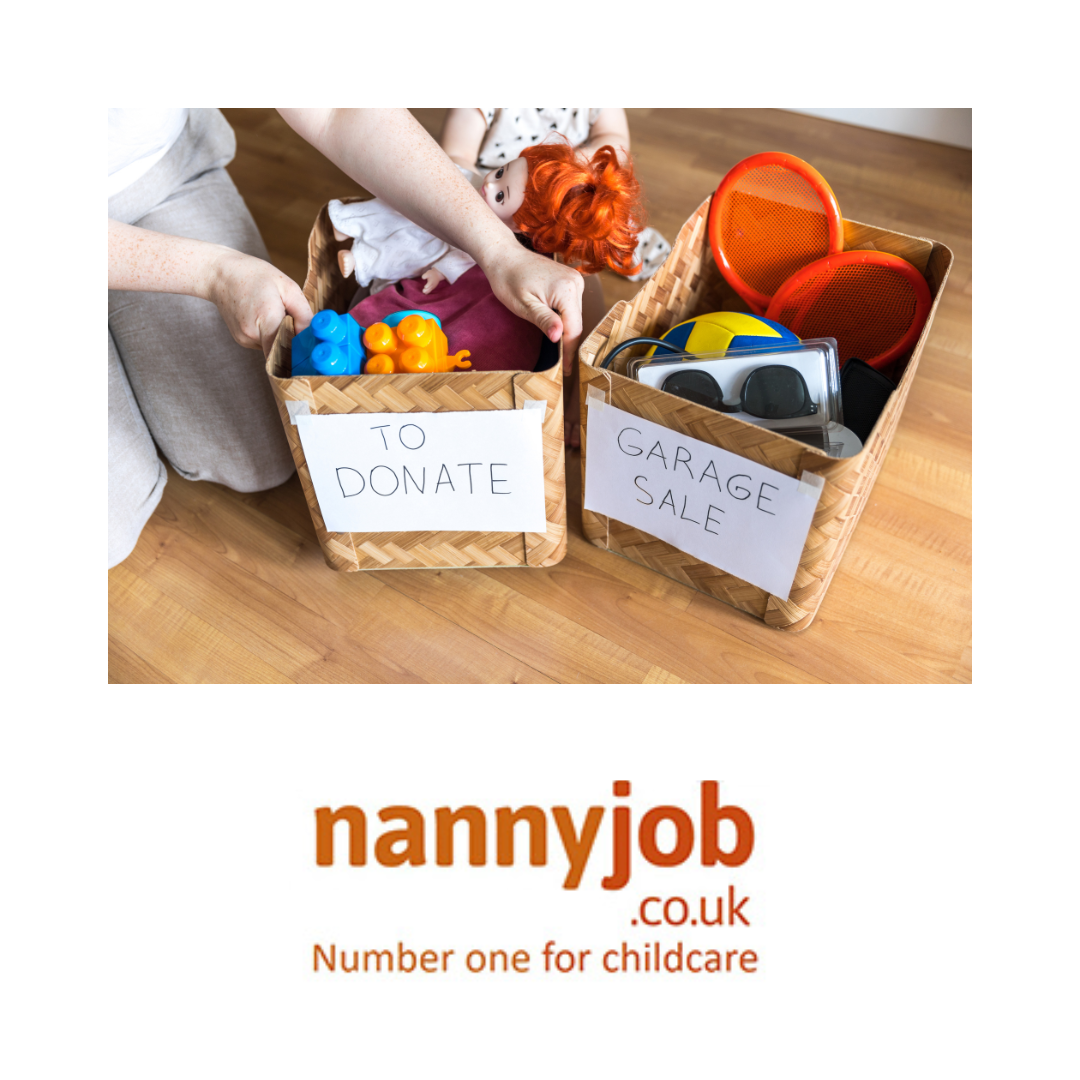
Start by gathering the family for a decluttering session. Create a game out of it with rewards for the most items decluttered or the tidiest room. Encourage children to donate toys they no longer use, explaining how it could bring joy to other children.

Step 2: Create Kid-Friendly Organising Systems

Involve the children in creating organising systems that work for them. Use pictures labels for toy bins or color-code shelves for their books. The more they are involved in the process, the more likely they will maintain the organisation.

Step 3: Redefine Spaces

The New Year is a great time to rethink how spaces in your home are used. Perhaps the kids have outgrown the playroom, and it’s time to create a study corner. Involve them in the process of redesigning the space to suit their current needs and interests.

Step 4: Set Cleaning Routines

Create a cleaning schedule that includes the whole family. Assign age-appropriate chores to children and make it fun with music or a little competition. Regular cleaning helps maintain the organisation and cleanliness of your space.

Step 5: Celebrate and Maintain

Once your space is organised, celebrate with a family activity in your newly refreshed home. Maintain the organisation with regular mini clean-ups and encourage children to put things back after use.

Organising your space is not just about cleaning; it’s about creating an environment where you and your family can relax and thrive. So, let’s roll up our sleeves and get ready for a fantastic 2024 in a clean and organised home!

What Nannies Need for 2024

2023 is over, and it’s a great time to reflect on the challenges and opportunities nannies faced this year. As we look ahead to 2024, let’s explore what nannies truly need to thrive in their crucial role, nurturing and caring for the most precious members of our society – children.

2023 is over, and it’s a great time to reflect on the challenges and opportunities nannies faced this year. As we look ahead to 2024, let’s explore what nannies truly need to thrive in their crucial role, nurturing and caring for the most precious members of our society – children.

1. Competitive Wages and Benefits:
Nannies are not glorified babysitters. They are early childhood educators, confidantes, and second mothers to the children they care for. Paying them competitive wages and offering generous benefits, like paid time off and healthcare, sends a strong message of respect and appreciation for their invaluable work.

2. Clear Communication and Open Dialogue:
Nannies need open communication with families to navigate expectations, routines, and concerns effectively. Establishing regular check-ins, setting clear boundaries, and fostering trust-based conversations create a healthy work environment for everyone.

3. Professional Development Opportunities:
Nannies deserve the chance to expand their knowledge and skills to provide the best possible care for children. Families can support this by offering access to workshops, conferences, or even financial assistance for relevant certifications and training.

4. Respect and Recognition:
Nannies often face societal perceptions that downplay their role. Parents can champion their nannies’ skills and dedication by acknowledging their contribution to the family’s well-being. Showing appreciation through a simple “thank you” or even a small token of gratitude goes a long way.

5. Work-Life Balance and Flexible Schedules:
Nannies are not robots – they have personal lives and families of their own. Offering flexible work hours, predictable schedules, and paid time off allows nannies to maintain a healthy work-life balance and prevents burnout.

Healthy and Delicious Christmas Snack Ideas for Children

With the holiday season in full swing, it’s the perfect time to get creative in the kitchen with some healthy and delicious Christmas snacks for children. Whether you’re a nanny, parent, or caregiver, these festive snack ideas are sure to delight the little ones and provide a nutritious twist to the holiday treats.

With the holiday season in full swing, it’s the perfect time to get creative in the kitchen with some healthy and delicious Christmas snacks for children. Whether you’re a nanny, parent, or caregiver, these festive snack ideas are sure to delight the little ones and provide a nutritious twist to the holiday treats.

1. Fruit Christmas Trees:

Create a fun and festive snack using slices of kiwi stacked to form a Christmas tree. Add raspberries or strawberries as ornaments and a piece of star fruit at the top.

2. Santa Claus Strawberries:

Dip strawberries in Greek yogurt to create a ‘Santa hat’, and use chia seeds or mini chocolate chips for the eyes. It’s a simple and sweet treat that’s also good for them.

3. Snowman Cheese Sticks:

Wrap cheese sticks in clear plastic and draw a snowman face with a permanent marker. It’s an easy and fun way to add a festive touch to a simple snack.

4. Reindeer Rice Cakes:

Spread almond or peanut butter on rice cakes and use pretzels for antlers, raisins for eyes, and a red grape or cherry tomato for the nose.

5. Veggie Wreath:

Arrange broccoli, cherry tomatoes, and yellow bell peppers on a plate to form a Christmas wreath. Serve with a bowl of hummus for dipping.

6. Gingerbread Smoothies:

Blend bananas, Greek yogurt, a dash of cinnamon, ginger, and nutmeg to create a smoothie that tastes like gingerbread but is packed with health benefits.

7. Apple Slices with Festive Dips:

Serve apple slices with red and green colored dips made from yogurt or blended berries for a healthy and festive snack.

8. Popcorn Snowballs:

Make small popcorn balls using air-popped popcorn and bind them with a bit of honey. Add a dusting of powdered sugar for a snowy effect.

9. Christmas Tree Pita Pizzas:

Cut pita bread into Christmas tree shapes and top with green pesto, chopped veggies, and cheese. Bake until the cheese is melted.

10. Cucumber and Carrot Reindeers:

Use slices of cucumber and carrot sticks to create reindeer faces. Hummus or cream cheese can be used to stick on raisin eyes and a cherry tomato nose.

These snack ideas are not only healthy but also incredibly fun to make and eat. They are sure to bring some extra joy and nutrition to your little ones’ holiday season!

10 Creative DIY Christmas Decorations for Nannies and Children

The festive season is a wonderful time to engage in creative activities with children. As a nanny, you have the unique opportunity to make this Christmas memorable by crafting homemade decorations with your mindees. Here are 10 easy and fun DIY Christmas decoration ideas that are perfect for kids of all ages.

The festive season is a wonderful time to engage in creative activities with children. As a nanny, you have the unique opportunity to make this Christmas memorable by crafting homemade decorations with your mindees. Here are 10 easy and fun DIY Christmas decoration ideas that are perfect for kids of all ages.

1. Handprint Christmas Tree:

Materials: Green paint, paper, and decorations (glitter, stickers). Method: Paint the child’s hand with green paint and press it onto a sheet of paper to create a tree shape. Once dry, decorate with glitter and stickers.

2. Paper Snowflakes:

Materials: White paper, scissors. Method: Fold the paper into a triangle and cut small shapes along the edges. Unfold to reveal a unique snowflake pattern.

3. Pine Cone Christmas Trees:

Materials: Pine cones, green paint, small pom-poms, or sequins. Method: Paint the pine cones green and, once dry, decorate them with pom-poms or sequins as ornaments.

4. Sock Snowmen:

Materials: White socks, rice, rubber bands, buttons, and fabric scraps. Method: Fill the sock with rice and tie rubber bands to form the snowman’s body and head. Add buttons for eyes and fabric scraps for a scarf.

5. Cardboard Tube Santa:

Materials: Toilet paper rolls, red and white paint, cotton wool, googly eyes. Method: Paint the tube red, add a white rim and cotton wool for the beard. Stick on googly eyes to complete Santa’s face.

6. Christmas Wreath:

Materials: Paper plate, green tissue paper, red ribbon, glue. Method: Cut the center out of the paper plate and glue green tissue paper around the ring. Add a red ribbon for a festive touch.

7. Salt Dough Ornaments:

Materials: Salt dough (salt, flour, water), cookie cutters, paint. Method: Make salt dough, roll it out, and use cookie cutters to create shapes. Once baked and cooled, paint and decorate.

8. Button Christmas Cards:

Materials: Card stock, buttons, glue, markers. Method: Glue buttons onto the card stock in the shape of a Christmas tree, snowman, or wreath. Use markers to add details.

9. Yarn Wrapped Ornaments:

Materials: Balloons, yarn, glue. Method: Blow up the balloons to a small size. Dip yarn in glue, wrap it around the balloon, and let it dry. Pop the balloon to reveal a yarn ornament.

10. Reindeer Handprint Art:

Materials: Brown paint, paper, red pom-poms, googly eyes. Method: Paint the child’s hand brown and press it onto paper. Add a red pom-pom for the nose and googly eyes to create a reindeer.

These DIY decorations not only add a personal touch to your festive decor but also provide a great opportunity to bond with your mindees and develop their creative skills. Have fun crafting and merry Christmas!

Navigating Pregnancy as a Nanny in the UK: A 2023 Guide

Pregnancy is an exciting time, but it also brings a host of questions, especially for nannies working in the UK. Understanding your rights and responsibilities is key to a smooth journey. Let’s explore what you need to know about pregnancy as a nanny in 2023.

When to Inform Your Employers?

Legally, you must notify your employers of your pregnancy by the 25th week. You’ll receive a MATB1 form from your midwife around 20 weeks for this purpose. However, many nannies choose to inform their employers earlier, often post the 12-week scan. Early disclosure can facilitate risk assessments for your role and ensure you receive paid time off for antenatal care.

What Does a Risk Assessment Entail?

Given the varied nature of a nanny’s job, risk assessments can differ. For pregnant nannies, considerations might include the physical strain of lifting children or exposure to infectious diseases.

Continuing Work During Pregnancy

Nannies can certainly continue working throughout their pregnancy. Your employer is required to make reasonable adjustments to your role to accommodate your pregnancy.

Maternity Leave Regulations

You can initiate your maternity leave any time post the 29th week of pregnancy. The commencement of maternity leave may also be triggered by the birth of your baby, a stillbirth post the 24th week, or pregnancy-related sickness after the 36th week.

Maternity Pay for Nannies

If you meet the criteria (having worked for the family for at least 26 weeks by the 25th week of your pregnancy), you are entitled to 6 weeks at 90% of full pay, followed by 33 weeks at the statutory rate or 90% of your average weekly earnings, whichever is lower. Employers can generally reclaim these costs due to their status as small employers.

If you don’t qualify for SMP, you can claim Maternity Allowance, and your employer should provide form SMP1. If you have multiple jobs, you may be eligible for SMP from each employer.

Duration of Maternity Leave

You are entitled to 52 weeks of maternity leave, split into 26 weeks of Ordinary Maternity Leave and 26 weeks of Additional Maternity Leave. While you can choose to take less, a minimum of 2 weeks post-birth is mandatory.

Holiday Accrual and KIT Days

Your holiday accrual continues during maternity leave. You may also participate in up to 10 Keeping In Touch (KIT) days without affecting your SMP.

Job Security Post-Maternity Leave

Post Ordinary Maternity Leave, you have the right to return to your job under the same conditions. If you take Additional Maternity Leave, your employer must offer a similar role if your original job is unavailable.

Redundancy and Bringing Your Child to Work

You cannot be made redundant for being pregnant; that would be discriminatory. However, redundancy may occur if there’s a significant change in childcare needs during your leave. Additionally, nannies don’t inherently have the right to bring their child to work, but this can be negotiated with your employer.

In a nanny share situation, bringing your child to work would require registering as a childminder under the Children’s Act 1989.

Keeping Your Nanny Happy in 2023: Beyond the Festive Cheers

As we navigate through 2023, with its unique challenges and the festive season just around the corner, it’s an ideal time to reflect on how to maintain a joyful and productive relationship with your nanny. While grand gestures have their place, the true art of appreciation lies in the everyday acts of kindness and respect

As we navigate through 2023, with its unique challenges and the festive season just around the corner, it’s an ideal time to reflect on how to maintain a joyful and productive relationship with your nanny. While grand gestures have their place, the true art of appreciation lies in the everyday acts of kindness and respect.

Understanding RESPECT in the Nanny-Parent Relationship:

The acronym RESPECT stands for Rights, Earnings, Space, Professionalism, Expenses, Choices, and Time. These elements are foundational to a healthy working relationship. Particularly, being mindful of your nanny’s time – respecting their finish time is respecting their personal life. If you’re often late, consider adjusting and compensating for their extended hours.

Small Gestures, Big Impact:

  1. Flexibility and Understanding: Life happens – a delayed train or a slow morning can affect anyone. Show understanding for the occasional late start and balance this with letting your nanny leave early now and then.
  2. Personal Perks: Simple acts like offering a takeaway during babysitting nights, or access to your Netflix account can go a long way. If they love cooking, why not leave some cash for them to buy special ingredients?
  3. Fair Sick Pay: Remember, nannies are just as prone to illness as anyone. Fair sick pay ensures they don’t suffer financially for something out of their control, especially if it’s a bug caught from the children.
  4. Access to Household Amenities: If your nanny is a baking enthusiast and you have a top-notch mixer, let them use it. Similarly, if their washing machine breaks, offering yours is a gesture of goodwill.
  5. Invitations to Family Events: Whether for work (with overtime pay) or as a guest, inviting your nanny to significant family events shows that you value them as part of your extended family.
  6. Thoughtful Gifts and Recognition: On their birthday or during festive seasons, a thoughtful gift or a voucher from their favorite store can be deeply appreciated. Remember, personalized appreciation often holds more value than extravagant gifts.
  7. Annual Reviews and Rewards: A yearly review of their performance is a good practice. If a pay raise isn’t feasible, consider other forms of appreciation, like extra holiday time or a heartfelt acknowledgment of their hard work.
  8. Recommendations and Referrals: If your nanny is open to extra babysitting, recommending them to your friends can be a great help. And if not, guide your friends to reliable babysitting resources.
  9. Daily Gratitude: Never underestimate the power of a simple ‘thank you.’ It’s a daily reminder that their efforts are seen and valued.

Conclusion:

In 2023, the key to a successful nanny-parent relationship lies in consistent, respectful, and empathetic interactions. Small, thoughtful actions can make a big difference in fostering a positive and mutually rewarding relationship.

Does my nanny need a pension?

The government’s pensions initiative, known as Auto Enrolment, requires all UK employers to automatically enrol any qualifying employees into a workplace pension scheme and make contributions towards that pension. As a UK nanny employer, you will need to enrol your nanny into a pension scheme if he or she qualifies. 

The government’s pensions initiative, known as Auto Enrolment, requires all UK employers to automatically enrol any qualifying employees into a workplace pension scheme and make contributions towards that pension. As a UK nanny employer, you will need to enrol your nanny into a pension scheme if he or she qualifies. 

Does my nanny qualify for a workplace pension?

If your nanny is aged between 22 years old and the State Pension Age and they earn £10,000 or above per year, then they do qualify for a workplace pension. 

What will happen if I don’t offer my nanny a pension scheme?

If your nanny is eligible for a pension scheme and you fail to enrol them into one, or if you fail to pay pension contributions, you can be fined by The Pensions Regulator

My nanny doesn’t qualify but still wants a pension, what should I do?

Your nanny still has the right to ‘opt in’ and join a pension scheme even if they do not qualify for a workplace pension. It is your responsibility to enrol them into a suitable scheme. 

My nanny qualifies for a pension but doesn’t want one, what do I need to do?

It is a legal requirement for you to enrol your nanny into a pension scheme if they qualify for it, even if he or she doesn’t want one. Once your nanny is enrolled into a pension scheme, they can then choose to ‘opt out’ or ‘cease membership’ of the scheme. 

If this is the first time you’ve heard about your Auto Enrolment and nanny employer pension duties, don’t worry! Nannytax provides a fully managed workplace pension service for their clients which means the Nannytax team of pension specialists can take this off your hands!

This blog was written by Nannytax, the award-winning and UK leading nanny payroll experts with 30 years experience. 

Discover more about Nannytax here

Which childcare provider is right for you?

As a parent, one of the most important decisions you will make is which childcare provider is right for your child. There are many different types of childcare providers available, each with its own unique benefits and drawbacks.

Here are some factors to consider when choosing a childcare provider:

As a parent, one of the most important decisions you will make is which childcare provider is right for your child. There are many different types of childcare providers available, each with its own unique benefits and drawbacks.

Here are some factors to consider when choosing a childcare provider:

  • Your child’s age and needs. Different childcare providers are better suited for different ages of children. For example, a childminder may be a good option for an infant, while a preschool may be a better fit for a preschooler.
  • Your family’s budget. Childcare costs can vary significantly from one provider to the next. Be sure to factor in the cost of childcare when making your decision.
  • Your family’s schedule. Some childcare providers offer full-time care, while others offer part-time care or drop-in care. Be sure to choose a provider that can accommodate your family’s schedule.
  • Your child’s temperament. Some children are more social and outgoing, while others are more shy and reserved. Choose a childcare provider that will provide your child with the right environment for their temperament.
  • Your family’s values. Some childcare providers have a more structured approach to learning, while others have a more play-based approach. Choose a provider that aligns with your family’s values.

Here are some of the different types of childcare providers available:

  • Childminders: Childminders are registered childcare providers who care for children in their own homes. They typically care for a small number of children, which can provide a more personalized experience.
  • Nurseries: Nurseries are larger childcare settings that are staffed by qualified early years practitioners. They typically offer a wider range of activities and facilities than childminders.
  • Preschools: Preschools are educational settings that provide early learning opportunities for children aged 3-5. They typically offer a structured curriculum that helps children develop their social, emotional, and cognitive skills.
  • Playgroups: Playgroups are informal settings where children can play and socialize with other children. They are typically run by volunteers and are a good option for children who are not yet ready for a structured learning environment.