Future Olympians!

Well, what an incredible buzz the Olympic Games brought with it! They claimed 22 golds, 21 silvers and 22 bronze medals in Japan.  With towns and cities across Great Britain welcoming back their hero’s, it’s no wonder that many of us heard a daily announcement from our little ones “I want to do that!”.

So, if you have a child who would like to be the next Laura Kenny, Sky Brown or Tom Daly how do you get started to help them on their way to being the next big thing?

PMA!

Ok, it may sound cliche, but how do you expect a child to believe in itself if you don’t plant seeds of positivity? If they announce they want to learn a sport or event that they’ve seen on the Olympics, then there should be very little reason why they can’t. Make them feel like they can do anything they want, with the right attitude and commitment.

Don’t be a pushy parent

There is nothing worse for a child than feeling pressurised to do something they don’t really want to. Remember that this is their dream, not yours! There is no quicker way to put a child off something than to push them into it if they aren’t interested. Also, if they are not physically or emotionally ready to compete, then starting them too early can end up being frustrating for everyone, and can turn kids off from sports for good.

Local clubs

Ask around or search online for your local clubs that specialise in the area the child is interested in. You’re sure to find something in most towns and cities, and even if you have to travel a little way, it may all be worth it in the end.

Create balance

Ok, so we’ve all heard how many hours a day the best swimmers spend in the pool to become the best, and just how totally dedicated the lives of world class athletes are. When starting out though, children need to see the fun in the event, and not feel that it is simply a trial of endurance, or all consuming. They are not likely to become great at something that they don’t see as being fun and enjoyable, especially in the beginning, so make sure you help create balance, and not expect them to start dedicating their lives to their chosen sport or activity.

Nannyjob wishes you and your little one lots of fun and the best of luck in the shaping of the future Team GB! Keep us informed about how you get on at Facebook.

Heatwave Safety Advice

As the hot weather we’ve been experiencing in the UK is set to continue until the end of July, we’ve put together some advice to ensure that everyone stays safe this summer!

As the hot weather we’ve been experiencing in the UK is set to continue until the end of July, we’ve put together some advice to ensure that everyone stays safe this summer!

Continue reading “Heatwave Safety Advice”

When’s it due?

Only around 4% of babies are actually born at 40 weeks, commonly known as the due date. 80% of babies are born 2 weeks before or 2 weeks after. That leaves parents with a dilemma – when should they start looking for someone? And when should they book someone to start?


Many people choose to have some kind of childcare around or just after the time a new baby is expected to make an appearance but predicting when that might be if you opt for a natural birth is not an exact science. Only around 4% of babies are actually born at 40 weeks, commonly known as the due date. 80% of babies are born 2 weeks before or 2 weeks after. That leaves parents with a dilemma – when should they start looking for someone? And when should they book someone to start?

That all depends on what kind of care you want. If you’re talking about care for older children while a mother is in labour then it’s a wise idea to have someone on standby from 2 weeks before. If it’s an existing nanny or childminder then that can make life a lot easier if the baby is born during the week (as long as you’ve agreed contingency plans in advance). If you want someone to be on standby and not make plans to go out then you can expect to pay them some kind of retainer so it’s a good idea to have a backup plan for your chosen carer. Ideally you’ll have someone in place by the time you’re 6 months pregnant, but tapping into existing childcare networks earlier on means you have a greater chance of finding joined up care if your preferred carer can’t make it. For expectant mothers who don’t usually use childcare, or who have children in school or nursery, a temporary nanny/mother’s help may be a good solution and if you employ them during the day even part-time they’ll give you a chance to grab some much needed rest. It’s a good idea to make sure your older children are familiar with the child carer before the due date, as a new child carer and a new baby all at once might be unsettling.

A doula who provides care for you during labour should be used to making arrangements to be on standby for the month around the due date and that is usually reflected in the price of a birth care package. If, however, you choose to book a doula solely for the post-natal period you should discuss with them when they usually start and what the arrangement is if a baby ends up arriving late. Many mothers feel they benefit from having a doula in the early days on an occasional basis especially if their own mother can’t be around to help. A doula is generally more flexible in their duties than a maternity nurse and less intrusive as they don’t live in for the duration of the booking. Depending on your location doulas might be difficult to find, so it’s advisable to start looking early in pregnancy.

A maternity nurse, who will care for mother and baby and ease the baby into a routine will usually start around 2 weeks after the due date (although some may have availability to start earlier than booked). If a baby ends up being later than expected most will charge either a full or reduced fee from the date the booking starts. Many families also prefer to have a few days together as a family and aim to have a maternity nurse start just as the other parent goes back to work. Some maternity nurses can get booked up far in advance, and as they are likely to be on a booking which may not be in your area while you’re searching for them interviewing may be tricky to arrange. Most people start to look for a maternity nurse around 3 months into their pregnancy and book by 6 months to ensure availability but, unlike doulas, there are several agencies which place maternity nurses and maternity nurses are often not restricted by location so finding an emergency maternity nurse or late booking is easier to accomplish.

Rainy Day Play!

Rain rain go away, come again another day! Let’s go play in the rain!

Rain rain go away, come again another day! It seems like we’ve been saying this far too many times already this Summer. In the last few days the sun has decided to make an appearance, but just in case the rain clouds return and your plans for picnics and sunshine walks go out of the window – there are many fun things to do to keeps little ones occupied whilst it’s pouring down (and there won’t need to be a games console in sight, you’ll be pleased to know!).

We automatically think that we have to stay indoors when it’s raining, but if you nanny for toddlers or children, splashing around in puddles and mud can be lots of fun! Make sure everyone is well wrapped up in raincoats and wellies, and go out and create a splash in the woods or park, allowing the kids to get as wet and muddy as they like (if you’re brave!). The chances are the children will be so used to staying in while it’s rainy that this will be a welcome alternative and loads of fun!

So, if you’re not quite as game as that, do not fear – as always we’re here for you with our top tips and activities:

  • Show time! Get your little ones to put on a show. Make one end of the room the stage area, and teach them a little dance, or help them to come up with an idea for a short play (depending on age!). Once they’ve rehearsed and know what they’re doing, help them to make some nice colourful tickets, and they can ‘sell’ them to mummy and daddy later on.
  • Den making – we’ve never met a child yet who doesn’t love building a good old den. Probably something you did as a child (we love the old school activities!), use your imagination and get some old sheets, a duvet, or the big cardboard box that the new telly came in, and make a special den with the kids. Once it’s made, have a secret code word to get in, and put teddies and toys in there – a wonderful way of creating a new little pad for the day!
  • Scrap booking – with the permission of parents, encourage the children to start a personal scrapbook. It’s a great activity which will fill a rainy day, as you dig out old photos, postcards, drawings, and items that reflect who the child is and who they want to be. If they’re old enough, get the children to write next to each item they place in the scrapbook, and they can update it over time, pulling it out on more rainy days to come!
  • Indoor Olympics – what better a year than now to do this?! Get into the Olympic spirit and create your own games indoors. Get the kids to choose a country they’d like to represent, and to wear a comfy outfit as their uniform. For the actual activities, make sure you’re not doing anything too risky (you don’t want a smashed ornament on your hands!). Things like a slither race on the rug, or a knee race (each child going as quick as they can on their knees!) are perfect. Set up a leader board, and help the children to fill it in as they go.
  • Indoor beach party! Well, if we can’t have a Summer outside, why not have one inside?!  Set up a tropical themed ‘beach’ party in the living room. Get the children to choose and put on their most summer-ish clothes, sunglasses, and flip flops, and make some palm tree, beach and fish paintings to decorate the walls. Find some music that fits the theme, and get the kids to help you make them some fruity ‘cocktails’ with umbrellas and straws. You’ll all forget about the rain outside before you know it!

 If you have any other good ideas for indoor activities, don’t forget to share them with us on our Facebook page!

What are parents looking for when they are interviewing for a Nanny?

One thing every family wants when looking for a Nanny is that extra special person to take care of their precious children so whilst they are looking for someone with experience and energy there is so much more to it.
Want to present your best self at your next interview, check out these tips on how to be the best Nanny ever!

One thing every family wants when looking for a Nanny is that extra special person to take care of their precious children so whilst they are looking for someone with experience and energy there is so much more to it.

Want to present your best self at your next interview, check out these tips on how to be the best Nanny ever!

  1. Act professional, calm, and always mature when in contact with the family, whether it’s face to face, phone calls or emails, the family will be scrutinising every thing you say and do for signs that you are / or aren’t the right person for them.
  2. Be Honest – Parents are looking to ensure that their standards and idles are mirrored with yours, that you can handle situations with their children and that you are available when they need you to be. However, much you want a job, if it doesn’t fit with you then don’t take it thinking that you will make changes when you are working for the family. Trust is hugely important between a nanny and their employer and if you aren’t completely honest at interview or in communications prior to being offered the role then it might mean that the relationship gets off on the wrong foot.
  3. Talk about your upbringing and your previous roles, show how it has moulded your beliefs and morals and made you the dependable, patient and person of good character that you have now become. Nannying is all about personality and interacting with the children and parents need to be reassured that you will take care of them in the same way they would.
  4. Share your wisdom, new parents, in particular, are probably worried about some issue or other with their child by offering helpful suggestions they will see you as a team player and font of knowledge. By showing an interest and demonstrating that you are knowledgeable and can show initiative this will reassure the parents that you are good at your job. A good example of how to do this with parents of slightly older children is to present examples of how you turn activities into learning opportunities without children even realising, parents will love this!
  5. Show respect and compassion, parents may want things done in a certain way because it allows them to be involved, for example bedtimes or routines around meals, if they work long hours make suggestions as to how you can help with maintaining good, healthy routines for their children whilst ensuring they spend quality time with Mum and Dad.
  6. Whilst it’s important to be as communicative as possible for both the Nanny and the family about expectations it’s also important to recognise that things change over time and particularly as children get older, suggest ways of communicating with each other that shows you want to be involved in changes and that you know that regular communication is important.
  7. You must be you; you are a Nanny because you love children, make sure that shines through, showing enthusiasm for your job will endear you to all families, at the end of the day they want someone who is happy to be around their children and for that happiness to reflect in their family life!

As we say @Nannyjob there is nothing more important than finding the nanny who will make a child happy. Highlighting these qualities will show any potential new family just how you’ll fit into their everyday life

Targeting Tantrums

Supernanny Jo Frost used to make it look easy, and nannies usually know that the  ‘naughty step’ and ‘time out’ techniques can be sanity savers in dealing with the most frustrated or badly behaved of toddlers, but nobody wants to actually let it get to that stage. So, how do we go about avoiding tantrum situations altogether?

If a child is prone to tantrums, making sure that frustration is kept within the limits of a child’s tolerance can be tough, but it is possible. Of course avoiding tantrums depends on each individual child, so there are no quick fixes that work for all.

Some of the the best ways to avoid toddler tantrums:

  • Give Leeway. Don’t back the child into a corner when you see them getting upset or angry about something. Instead of insisting on absolute “do’s” or “dont’s”, leave a bit of an escape route for them, and coax them to meet you half way if they really don’t want to do something.
  • Explain. Understand that tantrums often occur when a child simply doesn’t understand something, and their frustration grows as they try to get it. Try to explain things thoroughly before a situation is entered into which you think might cause this to happen. The child will feel calmer and more prepared, and less anxious about not fully understanding a situation or task.
  • Expression. One of the reasons toddlers have tantrums is because they are beginning to learn how to grasp speech and language. They often understand much more than they can express, which is fuel to the fire of a tantrum. Calmly listening and picking up on what you feel the child is trying to express will help the toddler feel less frustrated.
  • Enough food and sleep! It may sound like a no-brainier, but think about how you feel if you had a poor nights sleep and are hungry. It isn’t pleasant for anyone, let alone a toddler who doesn’t understand that this is the case. Make sure the child has had enough of both, and they will be far less likely to get frustrated over the small things with a clear head and a full belly.
  • Avoid negative attention. When a toddler has a tantrum and gets a reaction, this may actually be satisfying their need for attention in general, and in turn make them more likely to have tantrums. To avoid this behaviour, try to pick up on the good things that the toddler does and reward them with positive attention, even if it seems small, it will make a difference. This will make them less likely to need the negative kind, and less likely to demand it with tantrums.
  • Choose the right tasks – make sure you’re not trying to push the child to advance before they are able to. Offer age-appropriate tasks and games, so that you are more likely to have a situation where you praise them for doing something right. Once a more simple task has been completed and the child feels good, only then move on to slightly trickier things.
  • Set the stage – make sure you set boundaries to try toavoid tantrum situations. If you know you don’t want the child to have a certain item, make sure it’s hidden and out of sight to avoid the battle even starting. Of course this is not always possible when a child decides they want something that they can see when you’re out of the house!
  • Give control – work out what little things you think the child can handle being in control of. If they feel in control of some things, they are less likely to throw a tantrum about something they are not in control of. If a tantrum does arise, give them a subtle reminder of what they can control, to distract them from what they can’t.
Stick to these tactics and you might just save yourself some difficult situations dealing with tantrums! Do you agree with our ideas? Have you got any tactics that work to avoid tantrums? If so why don’t you add a comment or post them on our Facebook page…

Extra-curricular Activities – How Much Is Too Much?

There now seems to be an after school or weekend club for anything you can think of, from foreign languages for kids as young as 3 years old, to learning how to fathom out the latest dance routines or synchronised swimming moves seen on TV talent shows. Gone are the days when kids would be happy just attending Cubs or Brownies one night a week, and maybe an hour of football or dancing on a Saturday. Parents and nannies are now literally shuttling from group to club almost every evening. With a world full of new concepts, and more and more parents quietly competing for their child to be the best at everything, it brings about the question – just how much extra learning and activity is good for a child, and how can we make sure they don’t get overwhelmed?

 Of course, if your child seems to be happy with their activities, and is keeping up with their homework, then there may not be any need to think that they are being over-extended. The learning curves which come from such activities can be really valuable, and kids attending these groups are far less likely to spend hours on computer games or in front of the TV. Extra curricular activities can promote:

  • initiative
  • team work
  • self esteem and confidence
  • a sense of belonging
  • fair play with others
  • a boost in academic achievement

Of course, striking the right balance is key, and making sure that your kids are enjoying themselves, also having enough ‘down time’ where they can just chill out at home, and are eating and sleeping properly, and that the groups they attend are through their choice and not yours, are all really important.

Tips to make sure your child doesn’t get overwhelmed by extra curricular activity:

  • Clear boundaries – when the new term comes, set boundaries on the amount of activities that your child is allowed to participate in, and stick to them!
  • Family matters – realise the importance of family time, and never let this take a backseat to extra curricular activities. You want your child to have great, memorable family experiences, even if it means missing their club once in a while.
  • School comes first – ensure that your child understands that school takes priority over activities – even most of the best athletes and musicians had to take their GCSEs! Unless your child is training to be a professional, and as such is being educated outside of school, never let them miss school to do their activities.
  • Homework – make sure you factor in set times for your child to do homework, or encourage them to plan and manage their own time to do this.
  • Communicate – is your child really happy with all of the groups he or she attends? You never know, he could be attending one or more of them because he thinks you want him to. It’s key that these groups are enjoyed – otherwise what is the point?
  • It’s for them, not you! Did you want to be a professional ballerina or actor as a child, and never felt you had the chance?! Don’t let this be a reason for you to push your child into a certain activity. Remember that not all kids are cut out for all activities, so make sure your child is doing something because they actually want to, and if they tell you they don’t like it, listen to them!

So if you stick to the above, you never know – you might have the next David Beckham or Jessica Ennis on your hands, without the petrol bills of carting him or her to every single group under the sun in the mean time!

Do you agree that our kids may be in danger of activity overload? Or is the opposite true?! Tell us your thoughts by leaving a comment on the blog or on our Facebook page….

Top Tips from Nannies

When you have a child, no one teaches you how to parent, you might be lucky and have family and friends with children or you may have read books on parenting tips, but it can still be a minefield of trial and error! One of the great things if you employ a nanny is that they have years of practice and are experts in childcare. They have tried and tested methods to help establish positive behaviour, excellent manners, and good routines.

When you have a child, no one teaches you how to parent, you might be lucky and have family and friends with children or you may have read books on parenting tips, but it can still be a minefield of trial and error! One of the great things if you employ a nanny is that they have years of practice and are experts in childcare. They have tried and tested methods to help establish positive behaviour, excellent manners, and good routines.

We asked some of our nannies what their top tips were to help parents from those early years:

It’s okay to let your baby cry.

If you are a first-time parent you can feel anxious and unsure when your baby cries. Particularly in the early days when you aren’t sure why they are crying, and you are tired and feeling out of your depth. But a crying baby is normal, they are also feeling anxious and unsure, and a lot of the time just want to be held close and feel safe. Nannies recommend you trust your instinct, if you feel they need feeding, changing, cuddling, or rocking to sleep go with it, you will soon learn, it just takes a little while.

You Don’t Need to Buy All of the Baby Products

You’ve just found out you are expecting, you are excited and the first thing you want to do is rush out and buy every baby product you can from Activity mats to Cuddly Zebras! All and hug expense and often just left to be forgotten in a cupboard somewhere. Stick to the basics, if you have friends or family who have had children see what they might be getting rid of and ask them what their must have item was and what was a waste of money. In the first few months your baby really will sleep and feed, so they don’t need much!

What happens when it comes to weaning?

When your baby is ready to wean you need to give them a varied, healthy diet. Just because they don’t like bananas on the first try doesn’t mean they won’t like it on the second or third try. As their taste buds develop and change they will almost certainly learn to love foods they initially rejected.

When you have been out at work all day and you and your child are tired, mealtimes can become a bit of a battle ground and are often rushed to get bath and bedtimes out of the way. However, this doesn’t give a healthy message around food and it’s important that children learn to sit the table and enjoy their meal and allow them time to relax and digest it before they must get on with the next activity. Think about when you most enjoy food, it almost certainly is when you are relaxed and able to really think about what you are eating and not when you are rushing about and eating on the go.

Routines

Routines don’t need to be regimented and should have some flexibility in them. Children need some guidance and structure to their day as it provides security and a good foundation for them to build on, but it doesn’t need to be so strict that there isn’t room for fun, or changes to help an exhausted parent or child feel life is a drag!

Talk and Listen to each other

This applies to parents as well as children. As we have said before, life can be busy and them seems little time to sit and chat or really listen to what the other person is saying. How often are you multi-tasking as your child tells you about their day or an issue they are having? You might miss something important that they are saying. Find time to sit down and really talk to them and if you find yourself have a shouting match with your child or partner, stop, take time out and then return to the conversation when you are both calm and can have a constructive conversation.

Don’t jump through hoops to make you child happy.

Parental Guilt is rife, many parents work long hours to pay the bills and keep a roof over their family’s head and they feel guilty because they can’t always be there for their children so they shower them with gifts and agree to things (like getting a dog!) when it’s not really what they can afford or cope with. It’s important for children to learn early on that No means No and that throwing a tantrum and being rude will not get them any further. Establishing the difference between a child’s needs and a child’s wants is hugely important and will help teach your child the difference top. Also picking up after your child because it’s easier and quicker and saves an argument does not help them develop and grow. They need to learn to be independent and do things for themselves as they reach the appropriate stages/.

Parenting is tough, whether you are a staying at home parent or go out to work, it comes with its challenges. No two families are the same and what is important to one may be less important to another. Following your instincts, doing what works for your family and your household is the most important thing and trusting your ability as a parent and if all else fails ask the Nanny!


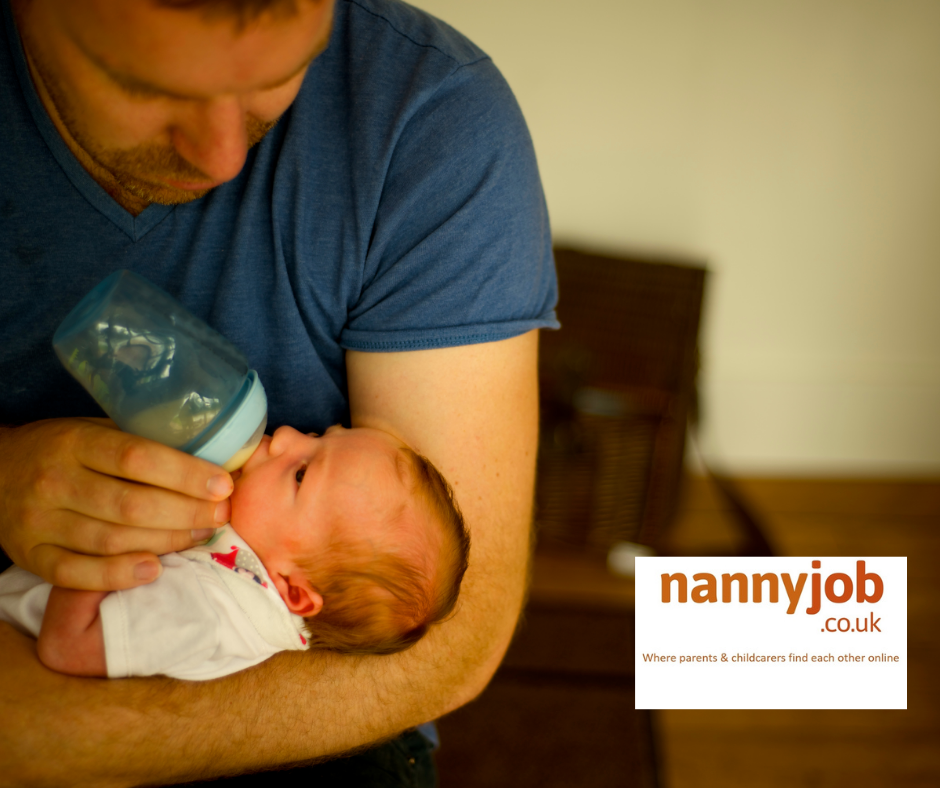
Is breastfeeding best for you?

It’s an age-old debate, and one that has caused many a stir amongst new mums regarding what they feel is best for baby. With so many Women being the main breadwinners now or needing to return to work more quickly for financial reasons is breast really the best way for everyone?

It’s an age-old debate, and one that has caused many a stir amongst new mums regarding what they feel is best for baby. With so many Women being the main breadwinners now or needing to return to work more quickly for financial reasons is breast really the best way for everyone?

Gone are the days when it was a given that all new mums would breast feed, with few alternatives being promoted at all. Babies were simply expected to ‘latch on’ with no problems (or none which were discussed openly by midwives or our own mums!). In reality, most of us know that this does not always run as swimmingly as the way we plan it whilst pregnant. In fact, it can sometimes be a source of great pain both physically and emotionally to many mums who innocently expect a stress-free start to baby’s feeding.

Mums can also feel a fair amount of pressure from others to breastfeed, making this very personal choice a tricky one. Whether the breast or formula choice is made before or after baby arrives, it is certainly a decision that you need to feel happy with, in a time when emotions are heightened and doing ‘the right thing’ by baby is the only thing in mind. Here is our simple guide to the benefits and possible drawbacks of each:

Some benefits of breastfeeding:

  • Nutrition – Colostrum, which is the milk produced at the end of pregnancy and the early part of breastfeeding, is high in concentrated nutrition for newborns, and has a laxative effect on baby.
  • Protection in childhood – In addition to containing all the vitamins and nutrients your baby needs in the first six months of life, breast milk is packed with disease-fighting substances that protect your baby from illness.
  • Protection into adulthood – Breastfeeding’s protection against illness lasts beyond your baby’s breastfeeding stage. Antibodies in breast milk may give a baby’s immune system a boost, and can protect from childhood and adult illnesses, including diabetes, high cholesterol and high blood pressure.
  • Bonding – A strong physical and emotional bond can be formed between mother and baby.
  • No cost – Breastfeeding is free, and available whenever baby needs a feed.
  • Good for mum – The NHS states that there are health benefits to mum as well, including up to 500 calories being used per day, and the risk of breast and ovarian cancer being reduced.

What they don’t always tell you about breastfeeding:

  • Pain – Breastfeeding can be physically painful for mums, lead to sore or even bleeding nipples.
  • Attaching – Many new mums find that baby doesn’t attach or ‘latch on’ as naturally as they’d expect, which can lead to a feeling of rejection or failure for mum. Patience and persistence are key.
  • Thrush – this can occur and pass between you and baby’s mouth. If nipples become sore or pink after breastfeeding without problems, this may be a sign of thrush.
  • Tongue-tie – Some babies are born with ‘tongue-tie’ where the skin between the underneath of the tongue and the bottom of the mouth is tight, making it difficult for baby to attach. If you experience any of the above and want to continue breastfeeding, don’t panic as help is at hand from GPs, health advisors and midwives.

In contrast, here are some benefits of formula feeding:

  • Nutrients – Commercially prepared infant formulas are still full of nutrients, and can even contain some vitamins & nutrients that breastfed babies need to get from supplements.
  • Convenience – Formula feeding is convenient, and feeding can be shared between both parents enabling mums to do other things, and dads to feel the bond that comes with feeding their baby.
  • Back to normal – ‘Normal’ life can resume more quickly, including returning to work, and taking birth control or other medication.
  • Sleeping – Baby may sleep for longer in between feeds, giving you more chance to sleep for longer too.
  • Quantities – You know exactly how much milk baby has had when formula-feeding.

What they don’t always tell you about formula feeding:

  • Getting it right – It’s easy to make the mixture too strong, weak or hot.
  • Illness – the NHS states that formula fed babies are more likely to get diarrhoea, chest, ear or urine infections.
  • Expense – it is estimated to cost at least £700 per year to formula feed.
  • Sterilising – there is a lot of work involved in thoroughly sterilising all the equipment required to formula-feed.
  • Mixing it up – if you decide to combine bottle feeding with breastfeeding, you should not introduce bottle feeding during the first six weeks of life, because the difference between nipples can confuse the baby, cause feeding problems, and it can interfere with the establishment of breastfeeding.

If you’re still not sure whether breast or formula feeding is best for you, speak to your midwife or health visitor for information and support, or call the National Breastfeeding helpline on 0300 100 0212.

Keeping A Good Nanny

Parents … how many of your friends with nannies seem to have had an enviously easy ride, with seemingly no problems and happy children, in what looks to you like a Mary Poppins style montage?! So, if your situation doesn’t always seem to run as smoothly as your lucky mates, are you doing something to make your nannies want to leave? Or are you just not choosing the ones with staying power in the first place? If you have ever wondered this, it may be time to stop and think about whether or not there is more you can do to keep your nanny happy, or to simply keep your nanny! Once you think you’ve found the right person, you want to make sure she or he will stick around. Here are our top tips on keeping good nannies:

– Respect

It may sound like a simple employer/employee dynamic, but respecting the person who you choose to look after your most important assets makes obvious sense, but doesn’t always come easily to some parents. Make sure you discuss any issues you may have immediately with your nanny, and make her feel like you value her opinion on your children (after all she will be getting to know them very well). Remember that even though you are the parent, your nanny is the expert in child care, so admit if you think she is right and you aren’t about something!

– Keep the green-eyed monster at bay!

It is only natural that you may feel some pangs of jealousy that your nanny is spending time with your children and seeing them do things whilst you’re at work. Good nannies are well aware of this and will do their best not to make you feel like you’re missing out. If you start to feel jealous that your child is enjoying his or her time with nanny, or even preferring spending time with them, remember that this is just a sign that your nanny is doing a very good job. Wouldn’t you rather have a happy child, even if it does mean swallowing that green-eyed monster feeling for the time being?!

– Trust

Much like respecting your nanny, she will do a better job and feel more comfortable if you trust her. Of course, this may take a little bit of time to build up naturally, but the sooner you can make her feel as though she is in charge and running her position, the sooner she will come into her own, resulting in your child feeling more at ease and happy with the nanny and the situation. On the flip side, if you really do think there is a trust issue then speak to her straight away to keep things as open, and honest, as possible.

– Keep it real!

Like any job, make sure you have a realistic job description for your nanny right from the off, so that you both know- and are happy with – what is realistic. It’s true that no two days are generally the same in child care, but this doesn’t give you an excuse to expect her to work longer hours than agreed in the beginning, or to do household jobs that were not clear at the start. This is one of the quickest ways of de-motivating any employee, so if there is anything that you think you’d like to add to your nanny’s duties, make sure you ask her thoughts first.

– Realistic pay rises

Again, just like any other position, a good nanny should expect to be rewarded appropriately financially, and you should consider annual pay rises as a part of this. The standard annual rise is around 5-10%, but if you are unsure, ask other families in your area what they offer. Of course, pay is just one part of the reward that a good nanny gets from her job, but it is likely she will know other nannies and if she isn’t getting a similar financial reward to her peers, a good nanny can move on very easily.

 The most important thing for you as a parent is to make sure your children have a happy and consistent care routine, and for this, holding on to a good nanny is key.

Have we missed anything? Leave a comment with your thoughts, or stop by our Facebook page to tell us what you think!