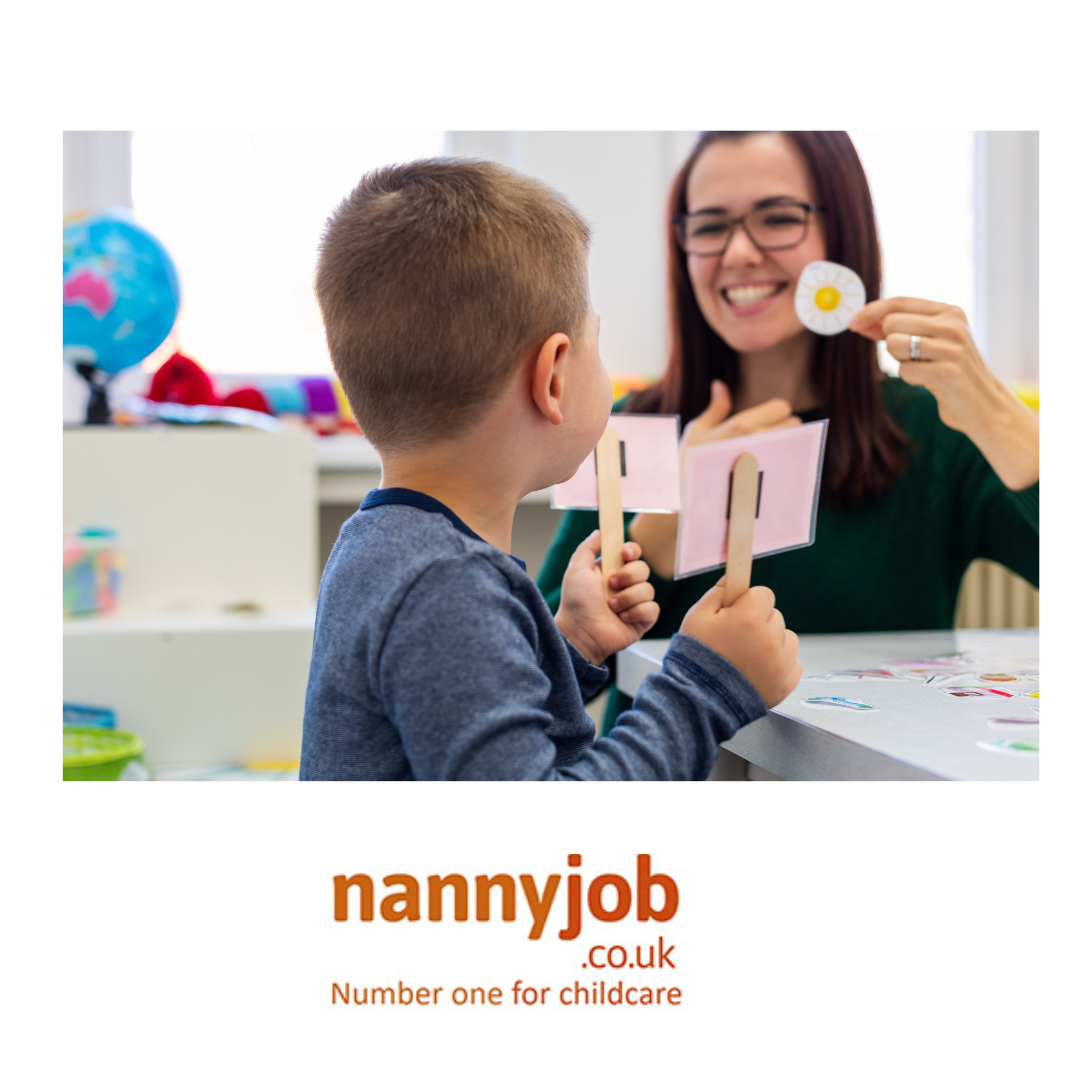

Top Tips for Organising Activities for Kids

Organising activities for kids can be both a fun and challenging task. Whether it’s during school holidays, weekends, or just to keep them engaged after school, having a variety of activities planned can help keep children entertained and stimulated. As parents, nannies, and childcarers, it’s essential to plan activities that are not only enjoyable but also educational and developmentally appropriate. Here are some top tips for organising activities for kids.

Introduction

Organising activities for kids can be both a fun and challenging task. Whether it’s during school holidays, weekends, or just to keep them engaged after school, having a variety of activities planned can help keep children entertained and stimulated. As parents, nannies, and childcarers, it’s essential to plan activities that are not only enjoyable but also educational and developmentally appropriate. Here are some top tips for organising activities for kids.

1. Understand Their Interests and Needs

Every child is unique, with their own set of interests and developmental needs. Spend some time observing what activities your children naturally gravitate towards. Are they more into arts and crafts, sports, or perhaps nature exploration? Understanding their interests will help you plan activities that they will truly enjoy and engage with.

2. Plan a Balanced Schedule

While it’s great to have a variety of activities, it’s important to strike a balance. Mix active play with quiet time, indoor activities with outdoor ones, and structured activities with free play. This balance ensures that children have a well-rounded experience and do not get overstimulated or bored.

3. Involve the Kids in Planning

Get the kids involved in planning their activities. This not only gives them a sense of ownership but also ensures that they are excited about what’s coming up. You can create a weekly activity chart together and let them choose from a list of pre-approved activities.

4. Be Prepared with Supplies

Nothing disrupts an activity faster than missing supplies. Before the day begins, make sure you have all the materials and equipment needed for each planned activity. Create a checklist if necessary, and involve the kids in gathering the supplies to teach them about preparation and responsibility.

5. Have a Backup Plan

Sometimes, activities don’t go as planned. The weather might change, or an activity might not hold the kids’ interest as long as you expected. Always have a few backup activities ready to go. These could be simple games, a favorite book, or a go-to craft project.

6. Incorporate Learning Opportunities

Look for ways to incorporate educational elements into fun activities. For example, cooking together can teach math and science concepts, while nature walks can include lessons about plants and animals. Making learning fun helps children absorb information more effectively.

7. Create Themed Days or Weeks

Themed days or weeks can add excitement and structure to your planning. Themes like “Space Week,” “Art Day,” or “Outdoor Adventure” can provide a focus and make it easier to come up with related activities. This approach can also make it easier to integrate educational content into the fun.

8. Encourage Social Interaction

If possible, organise group activities with other children. Social interaction is crucial for developing communication skills, empathy, and teamwork. Plan playdates, group games, or collaborative projects that allow children to interact and build friendships.

9. Use Technology Wisely

Incorporate technology in a balanced way. There are many educational apps and online resources that can be beneficial when used appropriately. Set time limits for screen use and ensure that digital activities are age-appropriate and educational.

10. Reflect and Adjust

After each activity, take a moment to reflect on what went well and what could be improved. Ask the kids for their feedback and adjust your future plans accordingly. This continuous improvement approach will help you become better at organizing activities that truly engage and benefit the children.

Conclusion

Organising activities for kids requires a bit of planning and creativity, but the rewards are well worth the effort. By understanding their interests, involving them in the planning process, and maintaining a balanced and flexible approach, you can create a fun and enriching environment for the children in your care. Happy planning!

Celebrating Children’s Art Week – The Vital Role of Art in Child Development

Children’s Art Week is a fantastic opportunity to celebrate and encourage creativity in children. Art is not just an enjoyable activity; it’s a crucial part of a child’s development. It nurtures creativity, improves cognitive skills, and provides a valuable means of expression. This week, let’s delve into the importance of art in children’s lives and explore ways nannies, childcarers, and families can foster artistic expression.

Introduction

Children’s Art Week is a fantastic opportunity to celebrate and encourage creativity in children. Art is not just an enjoyable activity; it’s a crucial part of a child’s development. It nurtures creativity, improves cognitive skills, and provides a valuable means of expression. This week, let’s delve into the importance of art in children’s lives and explore ways nannies, childcarers, and families can foster artistic expression.

The Importance of Art in Child Development

  1. Enhances Creativity and Imagination: Art allows children to explore their imagination and express their unique ideas. Whether through drawing, painting, or sculpting, children learn to think creatively and solve problems in innovative ways.
  2. Develops Motor Skills: Activities like drawing, cutting, and painting help develop fine motor skills and hand-eye coordination. These skills are essential for writing and other daily tasks.
  3. Boosts Cognitive Development: Engaging in art stimulates various parts of the brain, enhancing critical thinking, memory, and concentration. Art can also introduce concepts such as shapes, colors, and spatial relationships.
  4. Emotional Expression and Healing: Art provides a safe outlet for children to express their emotions and experiences. It can be especially beneficial for children who find it difficult to verbalise their feelings.
  5. Cultural Awareness and Appreciation: Through art, children learn about different cultures, histories, and perspectives. This broadens their understanding and appreciation of the world around them.

How Nannies and Childcarers Can Encourage Art

  1. Provide Materials and Space: Ensure children have access to a variety of art supplies and a dedicated space to create. Simple materials like crayons, markers, paper, and clay can spark endless creativity.
  2. Incorporate Art into Daily Activities: Integrate art into everyday routines, whether it’s drawing during free time, painting outdoor scenes, or crafting holiday decorations.
  3. Celebrate Efforts, Not Just Outcomes: Focus on the creative process rather than the finished product. Praise children for their effort and creativity to build confidence and a love for art.
  4. Explore Different Art Forms: Introduce children to various forms of art, including music, dance, theater, and visual arts. This helps them discover their interests and talents.
  5. Organise Art Activities and Projects: Plan engaging art projects that can be done individually or as a group. Collaborative projects teach teamwork and collective creativity.

Supporting Families in Encouraging Art

Families play a crucial role in nurturing a child’s artistic abilities. Encourage parents to:

  • Create a Creative Home Environment: Designate a space at home for art activities and display the child’s artwork to show appreciation.
  • Engage in Art Together: Spend time doing art activities as a family. This not only fosters creativity but also strengthens family bonds.
  • Visit Museums and Galleries: Take children to art museums and galleries to expose them to different styles and inspire their creativity.

Conclusion

Children’s Art Week is a wonderful time to highlight the importance of art in child development. By encouraging artistic expression, nannies, childcarers, and families can help children develop essential skills, express themselves, and appreciate the beauty of creativity.

Blog Post: Paternity Leave in the UK – Do Dads Get a Fair Deal?

The subject of paternity leave is gaining traction across the UK, as more families and employers recognise the crucial role fathers play in the early days of a newborn’s life. However, despite progress, many argue that fathers still do not receive a fair deal when it comes to paternity leave. This blog explores the current state of paternity leave in the UK, the challenges faced by fathers wishing to take leave, and the potential benefits of more generous policies.

Introduction

The subject of paternity leave is gaining traction across the UK, as more families and employers recognise the crucial role fathers play in the early days of a newborn’s life. However, despite progress, many argue that fathers still do not receive a fair deal when it comes to paternity leave. This blog explores the current state of paternity leave in the UK, the challenges faced by fathers wishing to take leave, and the potential benefits of more generous policies.

The Current State of Paternity Leave in the UK

In the UK, eligible fathers, partners, and adopters can take one or two weeks of Statutory Paternity Leave, paid at £156.66 per week or 90% of their average weekly earnings, whichever is lower. While this provision is a valuable acknowledgement of a father’s role, it falls short when compared to other countries where paternity leave can extend up to several months at a higher pay rate.

Challenges Faced by Fathers

One of the main challenges is the financial viability of taking paternity leave. The low pay rate makes it difficult for many families to afford for the father to take time off, especially if he is the primary breadwinner. Additionally, there is still a societal stigma that discourages men from taking extended leave, driven by outdated notions of gender roles within both the workplace and the home.

The Case for Improved Paternity Leave

Enhancing paternity leave policies could have significant benefits for families and society at large. It promotes gender equality by supporting the idea that childcare responsibilities should be shared. Furthermore, it allows fathers to bond with their children during the crucial early stages of development and provides mothers with much-needed support.

Conclusion

For fathers across the UK, the journey towards fair paternity leave is ongoing. While current policies provide a foundation, there is a clear need for improvement to truly support family dynamics in the modern world. As societal attitudes continue to evolve, it’s crucial for both policymakers and employers to revisit and revise paternity leave policies to better support the fathers of today and tomorrow.

Navigating Birthday Etiquette as a Nanny

Working as a nanny often blurs the lines between professional relationships and family bonds. Birthdays can particularly highlight this unique dynamic. Whether it’s for your current charges, their parents, or even past families you’ve worked for, deciding on the appropriate way to celebrate can sometimes feel like a minefield. Here are some thoughtful guidelines to help you navigate these decisions with grace.

Working as a nanny often blurs the lines between professional relationships and family bonds. Birthdays can particularly highlight this unique dynamic. Whether it’s for your current charges, their parents, or even past families you’ve worked for, deciding on the appropriate way to celebrate can sometimes feel like a minefield. Here are some thoughtful guidelines to help you navigate these decisions with grace.

Birthday Etiquette for Nannies: Who Gets What?

1. Your Current Charges

Celebrating your charges’ birthdays shows you care and helps strengthen your bond. A gift need not be extravagant; the gesture is what counts. Experiences like a trip to the cinema, ideally giving them some one-on-one time without siblings, can be incredibly meaningful. Alternatively, consider gifts that offer continued value such as books (with a personal message inscribed) or board games.

2. Your Ex-Charges

Maintaining a connection with children you once cared for is a beautiful gesture. A birthday card is always a lovely way to mark their special day from afar. If you happen to see them around their birthday, a small gift or outing might be appropriate, depending on your ongoing relationship.

3. Your Current Bosses

Navigating your current employer’s birthday can be tricky but doesn’t have to be stressful. Often, you might already be involved in preparing something with the children, like making a card or baking a cake. If you have a good rapport and know their tastes, a small, thoughtful gift could be appropriate. Otherwise, a heartfelt card or offering to babysit for free on a night out can be more than sufficient.

4. Your Ex-Bosses

If you remember your former employer’s birthday and you’re still in touch, it’s nice to acknowledge it, especially if you had a close relationship. A simple card can show you value the time you spent with their family. However, if you’re not in close contact, it’s perfectly acceptable to let the day pass unmarked.

Conclusion

Ultimately, the best approach to birthday etiquette in your role as a nanny is to do what feels right for you and the relationships you have with those involved. It’s about balancing professionalism with personal touch, showing appreciation and respect without overstepping boundaries.

Balancing the Budget: Nanny’s Guide to Managing Summer Holiday Costs with Your Nanny Family

As the sun warms up and schools break for summer, nannies and their charges look forward to longer days filled with fun activities. However, keeping children entertained during the summer holidays can quickly become expensive. Here’s a handy guide for nannies on how to balance the budget for summer activities without compromising on fun.

As the sun warms up and schools break for summer, nannies and their charges look forward to longer days filled with fun activities. However, keeping children entertained during the summer holidays can quickly become expensive. Here’s a handy guide for nannies on how to balance the budget for summer activities without compromising on fun.

Understanding the Budget

The term-time kitty that covers minor expenses like craft materials or the occasional treat from the ice cream van might not stretch as far in the long summer holidays. Begin by discussing the budget with your employers. Understand what’s available and what expectations they have regarding summer activities. It’s beneficial to make a financial plan that includes all expected expenses to avoid surprises.

Educate About Budgeting

Introduce your charges to the concept of budgeting. This is an invaluable life skill that can be taught through practical application. Explain how money is spent and show them that every choice has a cost. Encourage them to think about the value of different activities and what they gain from each.

Plan a Mix of Activities

  1. Free Activities: Research local parks, free days at museums, or community events which often have no cost. Nature walks, bike rides, or a day at the beach offer great opportunities for fun without spending money.
  2. Low-Cost Adventures: Look for local attractions with low entry costs. Many places offer reduced prices for children, and some even have family passes that can be great value. Community sports events, local theater productions designed for children, and matinee movie showings can also be affordable choices.
  3. Special Treats: Occasionally, it’s okay to splurge. Whether it’s a trip to a theme park or a workshop that the children are particularly excited about, these can be planned as special day outs. Be mindful of hidden costs like travel and meals if not allowed to bring a picnic.

Save for the Big Days

Encourage saving by starting a savings jar with the children. Use a transparent jar to make it exciting for them to see the money grow. Any leftover money from the weekly budget can go into this jar. This teaches children the value of saving and planning ahead for bigger activities.

Engage Children in Financial Planning

Turn budget planning into a fun activity. Help your charges prepare a ‘business plan’ for their summer. They can list the activities they wish to do, estimate costs, and prioritize based on their budget. Then, role-play a mini ‘Dragons Den’ where they pitch their summer plan to their parents to secure funding. This not only helps with budgeting but also boosts their negotiation and presentation skills.

Highlight the Value of Free Activities

Through creative planning, emphasize that fun doesn’t always have a price tag. Engage children in building a fort at home, having a picnic in the living room, or setting up a backyard or park scavenger hunt. These activities show that imagination and creativity can often provide the best entertainment.

Final Thoughts

By teaching children about money management and making informed choices, nannies can help them appreciate both the big and small joys of summer. This approach not only ensures a variety of activities throughout the holidays but also instills valuable financial lessons. Enjoy the summer with your nanny family, full of fun and learning, without breaking the bank!

Top Summer 2024 Family Activities in the UK

Summer is the perfect time to create lasting memories with your family, and the UK offers a treasure trove of activities that cater to kids and adults alike. From educational outings to just plain fun, here are some great ideas to make your summer 2024 unforgettable for the whole family.

Summer is the perfect time to create lasting memories with your family, and the UK offers a treasure trove of activities that cater to kids and adults alike. From educational outings to just plain fun, here are some great ideas to make your summer 2024 unforgettable for the whole family.

1. Family Beach Days

Pack your sun hats and head to some of the UK’s family-friendly beaches like Bournemouth or Llandudno. Build sandcastles, enjoy a paddle, and relish a classic fish and chips on the shore.

2. Festivals for All Ages

Experience the joy of music and arts at family-oriented festivals such as Camp Bestival or the Big Feastival, which combine kid-friendly performances with great food and activities for all ages.

3. Discover Historic Wonders

Engage your kids’ imaginations at historical sites like Warwick Castle or the Jorvik Viking Centre. These places offer interactive tours and activities that bring history to life.

4. Nature Trails and Park Adventures

Explore the natural beauty of the UK by taking family hikes in national parks such as the Peak District or New Forest. Many parks offer guided walks, wildlife spotting, and educational programs for children.

5. Explore Major Cities

Take the kids to explore major UK cities with child-friendly attractions. London’s Science Museum, Edinburgh’s Dynamic Earth, and the interactive galleries in Liverpool are just a few places where fun meets learning.

6. Countryside Escapes

Enjoy the tranquility of the countryside with a family stay in places like the Scottish Highlands or the Welsh valleys, where kids can run free and explore safely.

7. Thrilling Theme Parks

Delight your kids with a trip to a theme park. From the magical world of Alton Towers to the playful Legoland Windsor, these parks offer thrilling rides and attractions that cater to all ages.

8. Gardens and Outdoor Shows

Visit the enchanting gardens scattered across the UK, many of which host family-friendly events and flower shows during the summer, like the RHS Garden Wisley or the Eden Project.

The Importance of Speech and Language Development in Babies and Young Children

From the very first coos and babbles to the formation of full sentences, the development of speech and language skills in babies and young children is a critical aspect of their overall growth. These skills are not only vital for communication but also lay the foundation for reading, writing, and social interaction. In this blog post, we will explore why speech and language development is so crucial, the key stages of this development, and how parents and caregivers can support it.

Introduction

From the very first coos and babbles to the formation of full sentences, the development of speech and language skills in babies and young children is a critical aspect of their overall growth. These skills are not only vital for communication but also lay the foundation for reading, writing, and social interaction. In this blog post, we will explore why speech and language development is so crucial, the key stages of this development, and how parents and caregivers can support it.

The Role of Speech and Language Development

Speech and language development is about more than just learning to speak. It involves the ability to understand others, express thoughts, problem-solve, form relationships, and gain knowledge about the world. Early language skills are predictive of later academic success and are closely linked to reading and educational achievement.

Key Stages of Development

  1. Early Infancy (0-6 months): Babies start to respond to voices and sounds in their environment. They begin to coo and make sounds that are the building blocks of later speech.
  2. Late Infancy (6-12 months): Infants begin to babble, stringing together sounds like “ba-ba” or “da-da.” They start to recognise names and simple commands and may use gestures like pointing to communicate.
  3. Toddlerhood (1-3 years): This is a rapid period of language acquisition. Toddlers start forming words and simple sentences, improving their vocabulary dramatically. They also begin to understand and follow more complex instructions.
  4. Early Childhood (3-5 years): Children refine their speech to be more clear and begin using more complex sentences. They develop narrative skills and start to understand abstract concepts and multiple-step instructions.

Supporting Speech and Language Development

  1. Talk Often: From birth, talk to your child about what you are doing, what they are looking at, or events that are happening. This exposes them to language in context and builds understanding.
  2. Read Regularly: Reading with your child is one of the most powerful ways to boost their language development. It introduces them to new vocabulary, different sentence structures, and storytelling skills.
  3. Listen and Respond: Engage with your child’s attempts to speak which reinforces their effort and encourages them. Even if their words aren’t clear, showing interest helps them learn the importance of communication.
  4. Play Interactive Games: Simple games like peek-a-boo, singing songs, or nursery rhymes encourage speech and language skills while also being fun and engaging.
  5. Create a Rich Language Environment: Surround your child with a rich language environment where they hear and engage in conversations, stories, and songs.
  6. Explore Developmental Video Series: A resource like READY STEADY GO! can be a valuable tool for supporting early language development. This engaging video series is designed specifically for babies and toddlers, offering fun and interactive content that helps build essential communication skills in a playful and entertaining way. With colourful visuals, engaging activities, and age-appropriate content, READY STEADY GO! provides an enriching learning experience that encourages little ones to explore, communicate, and grow.

Conclusion

The journey of learning to communicate through speech and language is one of the most important that children will undertake in their early years. By understanding the stages of language development and actively supporting this growth, parents and caregivers can provide children with the tools they need to succeed in every area of life. Engaging early and often with your child’s verbal and non-verbal communication fosters not just linguistic skills but also a lifelong love of learning. With the support of tools like READY STEADY GO!, this journey can be both effective and enjoyable.

For more information on READY STEADY GO! go to Ready Steady Go – YouTube

Enjoying the Great Outdoors: Summer Activities for Kids

As the days grow longer and the scent of summer fills the air, it’s time to embrace outdoor adventures with the little ones. But for many of us, the thought of filling long summer days without the structure of school or nursery can be daunting. Fear not! Whether you’re a childminder, nanny, or parent, we’ve got you covered with our top ideas for keeping kids of all ages entertained outdoors.

As the days grow longer and the scent of summer fills the air, it’s time to embrace outdoor adventures with the little ones. But for many of us, the thought of filling long summer days without the structure of school or nursery can be daunting. Fear not! Whether you’re a childminder, nanny, or parent, we’ve got you covered with our top ideas for keeping kids of all ages entertained outdoors.

Nature Drawing

Take advantage of local woodlands or simply explore the garden with sketchpads in hand. Encourage children to draw what they see – from flowers and trees to worms and bugs. Not only does this activity spark creativity, but it also teaches kids about nature and provides lovely artwork to display at home.

Backyard Olympics

Create your own Olympics-style tournament right in your backyard or local park. Let the kids choose their events, whether it’s running races, sandpit jumps, or bean bag throws. Set up signs, leaderboards, and tracks for hours of fun and exercise. It’s a surefire way to guarantee stress-free bedtimes after a day of active play!

Teddy Bear Picnic

Gather the kids and their favorite teddy bears for a charming picnic under a shady tree. Set up picnic tables with gingham tablecloths and spread out cozy blankets for seating. Don’t forget to send invitations to each special teddy bear and make place cards for extra flair. And of course, no teddy bear picnic is complete without singing “If You Go Down to the Woods Today…”

Cycling

Hit the park or explore designated cycling routes with the kids. Whether they’re riding their own bikes or enjoying the view from a baby seat, cycling is a fantastic way to soak up the sunshine and get some exercise. Check out websites like cyclehireinfo.com for bike rental options across the UK.

No matter which activities you choose, make the most of the sunny weather while it lasts! Share your summer plans with us by posting on our Facebook page. Let’s make this summer one to remember! 🌞🚴‍♂️🎨 #SummerFun #OutdoorAdventures #FamilyTime #ChildcareLife

Understanding Separation Anxiety in Children: A Guide for Parents

Separation anxiety is a normal part of child development, but it can sometimes evolve into a more significant challenge for both children and parents. In this blog post, we’ll explore the signs of separation anxiety, when it becomes a concern, and how parents can help their children navigate this common but sometimes overwhelming experience.

Separation anxiety is a normal part of child development, but it can sometimes evolve into a more significant challenge for both children and parents. In this blog post, we’ll explore the signs of separation anxiety, when it becomes a concern, and how parents can help their children navigate this common but sometimes overwhelming experience.

Recognising the Signs

It’s natural for young children to feel some level of distress when separated from their caregivers. This can manifest as clinginess, crying, or resistance to being left alone. However, when these behaviours persist or intensify over time, it may indicate that a child is struggling with separation anxiety.

When Does it Become a Problem?

While mild separation anxiety is typical in early childhood, it becomes a concern when it interferes with a child’s daily life or causes significant distress. For example, if a child refuses to attend school, experiences physical symptoms like headaches or stomachaches, or has difficulty sleeping due to separation anxiety, it may be time to seek support.

Supporting Children Through Separation Anxiety

Parents can take several steps to help their children manage separation anxiety effectively:

  1. Establish a Consistent Routine: Predictability and consistency can provide children with a sense of security. Create a structured routine for drop-offs and pick-ups to ease transitions.
  2. Practice Separation: Gradually expose children to short separations to help them build confidence and resilience. Start with brief separations and gradually increase the duration over time.
  3. Encourage Independence: Foster your child’s independence by giving them opportunities to make choices and solve problems on their own. Offer praise and encouragement for their efforts.
  4. Communicate Openly: Talk to your child about their feelings and reassure them that it’s okay to feel anxious. Encourage them to express their emotions and validate their experiences.
  5. Seek Professional Support: If your child’s separation anxiety persists or significantly impacts their daily life, consider seeking guidance from a pediatrician or mental health professional. They can provide strategies and support tailored to your child’s needs.

By understanding the signs of separation anxiety and taking proactive steps to support their children, parents can help them navigate this challenging but temporary phase of development with confidence and compassion.

Could You Be a Nanny? Exploring the Rewarding Career of Childcare

Are you someone who loves working with children, has a nurturing spirit, and enjoys creating positive impacts on young lives? If so, then becoming a nanny might just be the perfect career path for you! In this blog post, we’ll explore what it takes to be a nanny, the responsibilities involved, and the rewards of working in childcare.

Are you someone who loves working with children, has a nurturing spirit, and enjoys creating positive impacts on young lives? If so, then becoming a nanny might just be the perfect career path for you! In this blog post, we’ll explore what it takes to be a nanny, the responsibilities involved, and the rewards of working in childcare.

What Does a Nanny Do? A nanny is responsible for providing personalised and attentive care for children in the comfort of their own home. Nannies typically work closely with families to create a safe, nurturing, and stimulating environment for children to grow and thrive. Some of the typical duties of a nanny include:

  • Engaging in age-appropriate activities and play
  • Preparing meals and snacks for children
  • Assisting with homework and educational activities
  • Providing transportation to and from school or extracurricular activities
  • Creating and maintaining a daily routine
  • Administering basic first aid, if needed

Qualities of a Great Nanny While there are no strict qualifications required to become a nanny, possessing certain qualities and skills can greatly enhance your effectiveness in the role. Some qualities of a great nanny include:

  • Patience and empathy
  • Excellent communication and interpersonal skills
  • Creativity and adaptability
  • Reliability and trustworthiness
  • A genuine love for working with children

The Rewards of Being a Nanny Working as a nanny is not just a job – it’s a deeply rewarding career that offers the opportunity to make a positive impact on children’s lives. Some of the rewards of being a nanny include:

  • Building meaningful relationships with children and families
  • Witnessing the developmental milestones and growth of children over time
  • Having a flexible schedule and the ability to work in various locations
  • Gaining valuable experience in childcare and early childhood education
  • Making a difference in the lives of young learners and helping them reach their full potential

Are You Ready to Be a Nanny? If you’re passionate about working with children and making a difference in their lives, then becoming a nanny could be the perfect career choice for you! Take the time to explore your options, gain relevant experience, and consider pursuing certifications or training in childcare. With dedication, compassion, and a love for learning, you could embark on a fulfilling career as a nanny.