How Nannies Can Help Home Schooling Families

With a number of positive factors including flexibility, term-time holidays, child-led learning and learning at the child’s pace, instead of the pace of the class, home education (home schooling in the US) has seen a huge rise in popularity and it’s not surprising that nannies have been stepping in to help.

Think about it, a nanny who helps a home educating family isn’t a far cry from a governess. Back in the day, governesses were hired to educate and care for the family’s children which allowed parents to focus on work and other pursuits.

Continue reading “How Nannies Can Help Home Schooling Families”

5 school skills you need to know

The end of the summer holidays is fast approaching and for many 4 year olds this means the start of their first year at big school. Whether they’ve been at nursery full time, attended some form of preschool or been at home, the transition to Reception can be a huge step. We’ve asked Rachel, a teacher with 11 years of experience welcoming new starters, for her take on the top 5 skills a 4 year old needs to know.

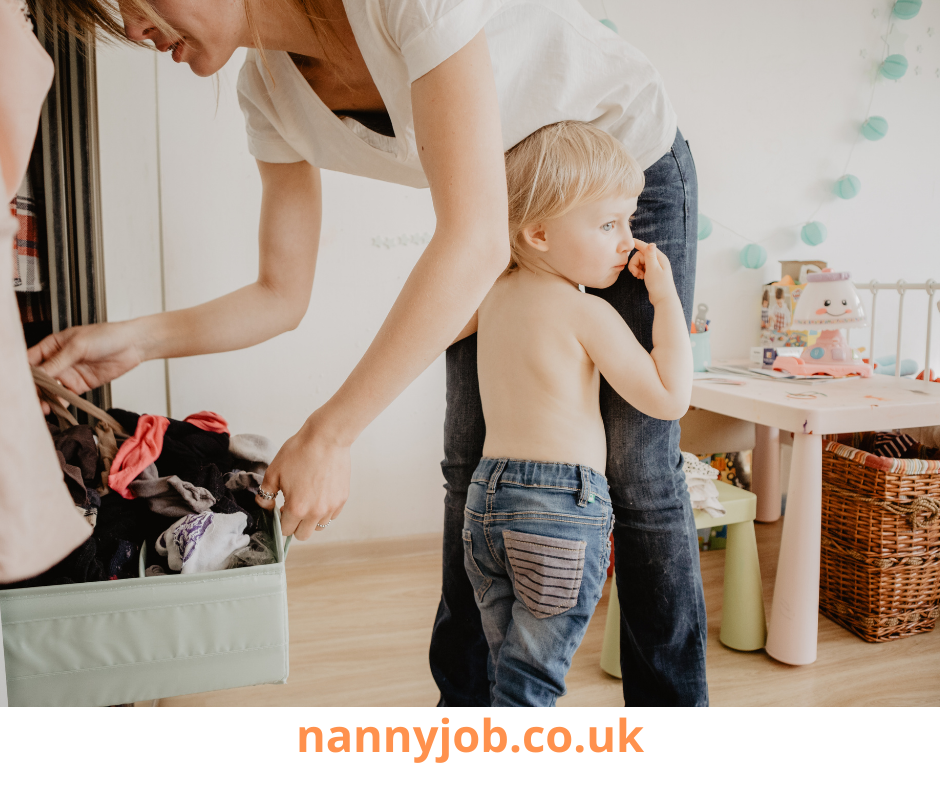
Be able to dress themselves

“Most 4 year olds can put on their own coat, but they might struggle with an unfamiliar zip or buttons. Likewise they can put on their shoes but new types of fastening can really slow them down. If your 4 year old can’t dress independently you should start encouraging them to do that right now and if you haven’t already bought those school shoes or a new coat don’t put it off. They will need some practice before the big day. Children who can’t do this by themselves really hold the whole class back and end up frustrated before class even begins.”

Be able to listen and follow instructions

“A lot of the first part of the term is spent helping children listen and follow the directions the adults in the classroom give. A child who can keep quiet and who can follow two-tier instructions such as ‘take your shoes off and sit on the mat’ is going to have a much easier time and a more positive experience of those early school days than one who wanders around lost because they didn’t listen or ends up getting told off because they sat on the mat with their shoes on. This also builds concentration, which is key to future success.”

Know when they need to the toilet

“Children often come to school dry but not fully independent. They still rely on someone to nudge them into going. When you have 30 children in a class that just isn’t possible and inevitably accidents happen. You can minimise that by making sure that your child is aware of the sensations of a full bladder or bowel and that they know they need to act on that.”

Be able to wipe their bottom and wash their hands

“Taking care of their own hygiene is something small children find quite hard, but it’s really, really important. We can’t spend all our time wiping bottoms, and stomach bugs and other nasties spread like wildfire in reception, which is probably linked to children who don’t wash their hands before returning to class.”

Be able to recognise their own name

“People are often surprised that I don’t put this first. In fact this is a useful skill, but it’s not essential. It’s far more important that children are physically independent, because that takes a lot of time and effort to teach them, which we just don’t have. But if a child can recognise their name on the first day they can find their peg, and their cubby or their drawer, and it gives them a sense of belonging. It also speeds up those transitions at the beginning of the day, between breaks and class-time, and between certain activities. And it means a child has made a good start on letter recognition and they’ll engage with literacy much more readily if they feel connected to the letters.”

How Nannies Can Help with Back to School

Back to school is often a nightmarish time for working parents. At a time of year where colds, illness, and head lice are rife, not to mention tantrums and an unwillingness to go back to school, it’s a time where your nanny can make the difference between a bad day and a great day.

We’ve put together our top tips for both nannies and parents to help with the back-to-school transition.

Continue reading “How Nannies Can Help with Back to School”

What is Child-Led Play and Why is it So Important?

Child-led play is exactly what it sounds like; children choose what to play and the adults follow the child’s lead. The sole purpose of this type of play is to allow children to explore and discover independently whilst making their own choices and decisions about what to do.

We’ve put together some tips to help you encourage child-led play whilst also identifying learning opportunities:

Continue reading “What is Child-Led Play and Why is it So Important?”

Friendship Day

It’s National Friendship Day on Sunday, taking time to show our friends how important they are to us is a good lesson to teach our little ones, recognising and appreciating good friendships is critical in this current world and knowing who you can love, and trust is a great skill to learn from an early age.

It’s National Friendship Day on Sunday, taking time to show our friends how important they are to us is a good lesson to teach our little ones, recognising and appreciating good friendships is critical in this current world and knowing who you can love, and trust is a great skill to learn from an early age.

National Friendship Day offers a special opportunity to go beyond the normal, everyday appreciation of friends.

So, what can we do to show our appreciation and what can out little ones do for their friends?

Spend Time with a Friend

Beyond cards or gifts, truly the best way to show a person how much their friendship means is by spending quality time with them. Offer to take them for a cup of coffee, have a chat over an ice cream cone, or even just go for a walk in the park. Practice being a good listener and be an encouragement for whatever is going on in your friend’s life.

Create and Send a Card to a Friend

You don’t have to spend a lot on a card, handmade, personal cards will show how much you care even more and so will the words you put inside. Your little ones will love making cards for their friends too!

Get creative with drawing, stamping, painting, or cutting out pictures to make a collage. It might even be fun to get super crafty and make handmade paper to write the note on. Grab an envelope, put it in the mail, and let that friend know how much they are appreciated on National Friendship Day!

Friendship Bracelets.

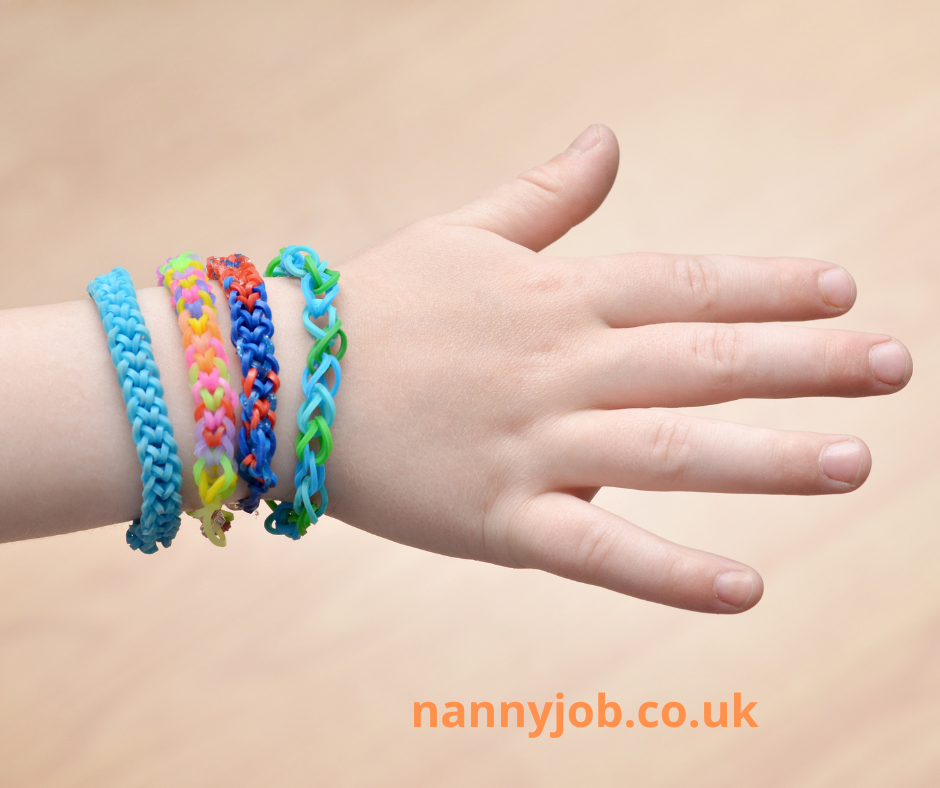
How about making a friendship bracelet with your older children? For over 50 years friendship bracelets have been given as a sign of love and affection between friends. These handmade tokens can be large or small, intricate, or simple, but what is most important is that they are made with love! A quick search of the internet will soon show you how to make them!

Bake Friendship Bread

Your little ones will love doing this and what a super gift to give to those special people in their lives!

A tradition started by Amish people; friendship bread is made from a sourdough starter that is often given by a friend. Each time a loaf is made, a small portion of the starter is kept aside for the next loaf, which is perfect for National Friendship Day.

Because it contains yeast, the friendship bread starter is placed in a warm area where it is stirred daily and can “grow.” Keeping the starter alive means adding a few ingredients on certain days, like flour, sugar, and milk. It usually takes about ten days for the starter to be ready to make another loaf.

Once a person has the starter (or has patiently made one from scratch), this is a delicious bread that is easy to make, including ingredients like flour, eggs, baking soda and cinnamon. Because it uses a lot of sugar to make the yeast grow, Amish Friendship bread has a delightfully sweet flavour to it, suitable for toasting or simply eating slathered with butter.

Post-holiday light blues

You’ve had two glorious, sun-soaked, weeks, lying in bed until 11am if you want, walking at your own pace, negotiating stairs without a pushchair, eating leisurely meals without having to give anyone else a taste, wearing clothes that would stain if even near playdough and going to the loo in peace…. and now you must go back to work.

You’ve had two glorious, sun-soaked, weeks, lying in bed until 11am if you want, walking at your own pace, negotiating stairs without a pushchair, eating leisurely meals without having to give anyone else a taste, wearing clothes that would stain if even near playdough and going to the loo in peace…. and now you must go back to work.

You’ve missed the little munchkins. You’ve found yourself singing ‘baa baa black sheep’ as you walk along, you can’t stand still (instead you bob and sway which is perfectly natural with a baby in your arms but makes you look a bit odd without one) and you’re constantly pointing out cows, birds and boats to your slightly bemused family and friends. But still it’s been holiday….and now you must go back to work.

Your charges have also been on holiday. They’ve missed their nanny, but they’ve had the undivided attention of their parents, and grandparents too, with  late nights and as much TV and ice cream as they want. It’s a shock to the system all round, compounded by the fact that you are supposed to be Nanny Sunshine while your bosses grouch off on their commute (or skip merrily out the door, pleased to be back in the office).

You unilaterally decide it’s going to be a bit of a lazy day, a slow breakfast, a trip to the park in the morning, a quick to prepare lunch (check the fridge in case there isn’t any food, revise plans for trip to the park and Tesco in the morning), make some cakes for tea and some holiday inspired artwork in afternoon. A quick smile as you compare your plans for the day with the equivalent that’s waiting for your boss, and most of your friends. You have no inbox full of urgent emails, just a full laundry basket, and no great crisis to deal with apart from the nap and/or potty-training regressions, but you’ll have them sorted in no time. You also get cake later.

Together you make exciting plans: swimming, seeing friends, measuring how tall the sunflowers have grown. You notice all the things they’ve learnt to do over the past fortnight, their new words, how tall they’ve grown. They tell you about their holiday, you tell them edited highlights of yours. They ask if they can come with you next year, you laugh. You go and swing, slide and scrabble in the sand. Somehow building a sandcastle is more satisfying in the park with children than it is on a beach without.

You chuck in a load of laundry when you get home and prepare bizarre sandwich fillings that seem more logical to you than some of the food you’ve tasted over the last couple of weeks. You wonder what the 3-year-old would have thought about the chicken and banana curry sandwich you tried and consider finding a recipe just to see, only to conclude you didn’t like it that much. After lunch it’s nap time, but you call it a siesta in an exaggerated Spanish accent to prolong the holiday mood and say you’ll make ‘sangria’ for their snack. Laundry out, laundry in, make list of jobs to do over the next week, look up new activities starting in September, put dinner on, finally succeed in drinking an entire cup of coffee.

The afternoon passes messily: flour, sugar, icing sugar, paint. Tidying up is a shock to the system but a quick bit of improv turns it into a game. You have a quick internal debate about the order of bath and dinner but as dinner involves tomato sauce you decide it’s better to do a quick wipe now and have a slightly sticky dinner than risk having to do bath twice.

You know why you’re lucky to be back at work at the end of the day, when your boss arrives grimy and tired to clean and happy children (and two leftover portions of spag bol because you were feeling generous) and your charges hug you goodbye, frantically reminding you that you promised they could go swimming tomorrow.

You have the best job in the world. You’re a nanny.