
What’s the difference between ‘gross pay’ and ‘net pay’?

Almost all employment industries in the UK discuss salaries in Gross terms; in the nanny industry, however, this hasn’t always been the case. Some nannies are still paid net salaries, but as an employer, if you agree to a Net salary with your nanny you may be in for a shock when faced with how much employing your nanny is really going to cost…  

Almost all employment industries in the UK discuss salaries in Gross terms; in the nanny industry, however, this hasn’t always been the case. Some nannies are still paid net salaries, but as an employer, if you agree to a Net salary with your nanny you may be in for a shock when faced with how much employing your nanny is really going to cost…  

What is Net Pay?

Net Pay is the ‘Take Home Pay’ that your nanny receives after Tax, National Insurance, and Pension deductions (if applicable). This means you will be liable for paying your nanny’s tax, National Insurance, Pension contributions, as well as any student loans and/ or attachment of earnings order (such as previously unpaid council tax or child maintenance) against your employee on top of their salary. This is where many employers find themselves paying a lot more than they had anticipated. 

What is Gross Pay?

Gross Pay includes your nanny’s ‘Take Home Pay’ and your nanny’s tax, National Insurance, and Pension Contributions (if applicable). 

What are the benefits of a Gross salary? 

For Nanny Employers:

  • A Gross salary will help you budget better because it includes tax, National Insurance, and pension contributions right from the start.
  • You won’t be responsible for any unpaid taxes or deductions from the nanny’s previous jobs.
  • It makes things clearer when dealing with HMRC, who usually only talk in Gross terms.

For Nannies:

  • A Gross salary provides job stability, since employers know the full cost upfront.
  • You can take advantage of your tax-free allowance, which usually increases each April.
  • You can compare your salary with other childcare jobs, since most industries use Gross terms.
  • It’s easier to show proof of income for things like mortgages or loans because lenders usually want to see Gross income. 

So how much does employing a nanny really cost?

The Gross salary doesn’t cover all the costs of employing a nanny. What does cover everything is something called the ‘Total Cost of Employment’.

The Total Cost of Employment is the Gross Salary, plus the Employer’s National Insurance Contributions and the Employer’s Pension Contributions (if applicable).

In other words, a Gross salary accounts for your nanny’s tax, National Insurance, and Pension Contributions, but not your own employer contributions. 

How can I work out my Total Cost of Employment?

If you’d like to work out your Total Cost of Employment, you can use Nannytax’s Calculator. Simply enter the Gross or Net salary figure and it will calculate your Total Cost of Employment and some additional helpful breakdowns – easy peasy!

This blog was written by Nannytax, with over 30 years of experience, they are the UK market leader in nanny payroll and nanny employment.

Discover more about Nannytax here. 
Drowning Prevention Week UK – Keeping Our Children Safe Around Water

Drowning Prevention Week, organised by the Royal Life Saving Society UK (RLSS UK), is an annual campaign aimed at reducing the number of drowning and near-drowning incidents. This campaign is especially relevant as the warmer months approach, bringing with them increased water activities. In this post, we will explore essential drowning prevention tips and how parents, nannies, and childcarers can ensure the safety of children around water.

Introduction

Drowning Prevention Week, organised by the Royal Life Saving Society UK (RLSS UK), is an annual campaign aimed at reducing the number of drowning and near-drowning incidents. This campaign is especially relevant as the warmer months approach, bringing with them increased water activities. In this post, we will explore essential drowning prevention tips and how parents, nannies, and childcarers can ensure the safety of children around water.

The Importance of Water Safety

Drowning is one of the leading causes of accidental death in children within the UK. However, most drowning incidents are preventable. Educating both children and adults about safe water practices is crucial in reducing these tragic accidents.

Key Tips for Drowning Prevention

  1. Supervise Always: Never leave a child unattended near water, even if they know how to swim. Constant supervision is necessary whether near pools, bathtubs, or natural bodies of water.
  2. Learn to Swim: Ensure that children take swimming lessons from a certified instructor. Swimming is not only a fun activity but also a crucial survival skill.
  3. Use Life Jackets: In open water settings such as lakes or the sea, children and even adults should wear life jackets.
  4. Establish Rules: Set clear, enforceable rules about water safety, such as no running near the pool and no pushing others into water.
  5. Learn CPR: Parents, nannies, and caregivers should be trained in CPR. Knowing these lifesaving techniques can make a critical difference in an emergency.

Conclusion

Drowning Prevention Week serves as an important reminder of the ongoing need to be vigilant about water safety. By following these guidelines and fostering an environment of respect and caution around water, we can protect our children and enjoy a safe summer.

World Ocean Day

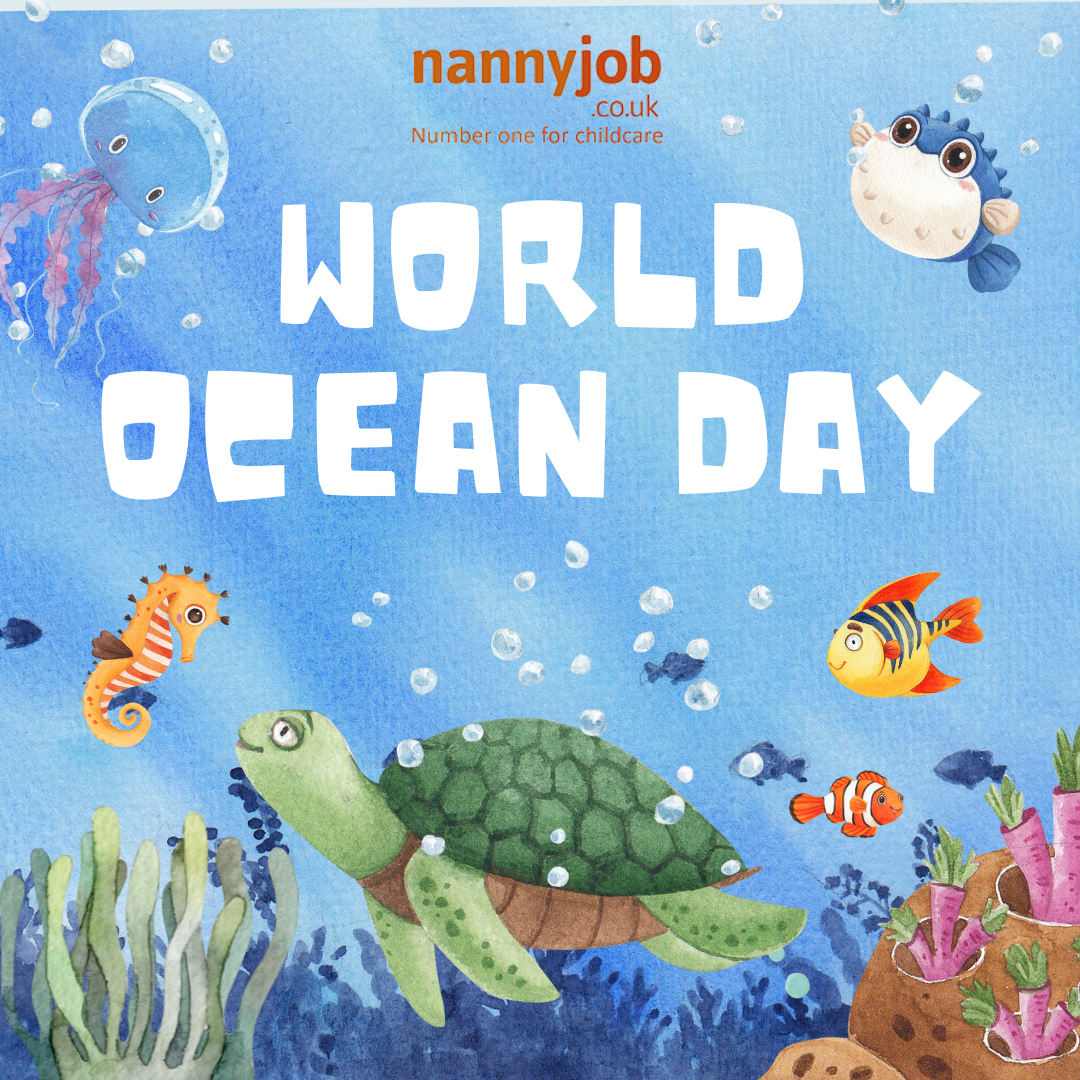
World Ocean Day highlights the critical role of the oceans in our daily lives and the importance of conserving marine environments. It’s a day to celebrate the beauty and wealth of the oceans while advocating for sustainable marine practices.

World Ocean Day: Conserving Our Blue Planet

World Ocean Day highlights the critical role of the oceans in our daily lives and the importance of conserving marine environments. It’s a day to celebrate the beauty and wealth of the oceans while advocating for sustainable marine practices.

The Significance of Our Oceans

Oceans generate most of the oxygen we breathe, regulate our climate, and provide sustenance and livelihoods to millions of people.

Actions to Help Protect Our Oceans

  • Reduce your use of plastics to prevent ocean pollution.
  • Support sustainable seafood choices.
  • Educate yourself and others about marine conservation.

Conclusion

World Ocean Day calls us to reflect on our environmental impact and take proactive steps to ensure a healthy ocean for future generations.

Child Safety Week

Child Safety Week: Protecting Our Most Precious

Child Safety Week is an annual campaign aimed at raising awareness about the risks of child accidents and how they can be prevented. It’s a crucial time for families, caregivers, and communities to come together to ensure children’s environments are as safe as possible.

Understanding the Importance of Child Safety

Child accidents are a leading cause of death and serious injury among children. However, many of these incidents are preventable with the right knowledge and precautions.

Tips for Enhancing Child Safety

  • Childproof your home by securing furniture to the walls, storing chemicals out of reach, and installing safety gates.
  • Teach children basic safety measures like looking both ways before crossing the street and not talking to strangers.
  • Keep emergency numbers and basic first aid supplies readily accessible.

Conclusion

Child Safety Week reminds us that protecting children from harm is everyone’s responsibility. By taking proactive steps, we can create a safer environment for our children to explore, learn, and grow.

Global Day of Parents

Global Day of Parents is celebrated to recognise the vital role parents play in the lives of their children. This day is an opportunity to appreciate all parents for their selfless commitment and lifelong sacrifice towards nurturing their children.

Honouring Parenthood on the Global Day of Parents

Global Day of Parents is celebrated to recognise the vital role parents play in the lives of their children. This day is an opportunity to appreciate all parents for their selfless commitment and lifelong sacrifice towards nurturing their children.

Why We Celebrate Parents

Parents are the primary caregivers and teachers of their children. They play a crucial role in the development of a child, influencing their emotional growth, educational attainment, and societal behavior.

Ideas for Celebrating

  • Share stories and photos of memorable parenting moments on social media.
  • Spend quality time with your family, perhaps trying out a new activity together.
  • Reach out to other parents with messages of support and encouragement.

Conclusion

The Global Day of Parents is a time to reflect on and celebrate the hard work and dedication of parents worldwide. It’s a day to strengthen awareness of the challenges of parenting and to underscore the importance of supporting parents in their critically important roles.

Top Tips for Hosting Your First Playdate as a Nanny

Hosting your first playdate as a nanny can be both exciting and daunting. Playdates are a fantastic opportunity for children to develop social skills, engage in shared activities, and enjoy companionship. To ensure a successful and stress-free playdate, here are some top tips to help you plan and host an enjoyable event for the little ones in your care.

Introduction

Hosting your first playdate as a nanny can be both exciting and daunting. Playdates are a fantastic opportunity for children to develop social skills, engage in shared activities, and enjoy companionship. To ensure a successful and stress-free playdate, here are some top tips to help you plan and host an enjoyable event for the little ones in your care.

Planning Ahead

1. Communicate with Parents

Before planning the playdate, discuss with the parents any dietary restrictions, allergies, and preferences regarding activities. This ensures that you are aware of any important details that could affect the choice of snacks or play activities.

2. Choose Age-Appropriate Activities

Select activities that are suitable for the age group of the children involved. Consider a mix of both structured activities, like a craft or a game, and free play, which allows the children to lead their own play and interactions.

3. Prepare the Environment

Safety is paramount. Ensure the play area is child-proofed and free from potential hazards. Arrange toys and materials beforehand to have everything ready for the children when they arrive.

During the Playdate

4. Set Clear Ground Rules

It’s helpful to establish a few simple rules at the beginning of the playdate, such as sharing toys, using inside voices, and perhaps a reminder about where the bathroom is. Clear expectations help prevent misunderstandings and conflicts among the children.

5. Be an Active Supervisor

While it’s important to allow the children to play independently, stay engaged and monitor their interactions. Be ready to step in if disputes arise or if someone needs help. This ensures the playdate remains fun and safe for everyone.

6. Have a Flexible Schedule

While having a plan is important, be prepared to adapt based on how the playdate is going. Some activities might not engage the children as much as expected, or they might be particularly enamored with one game and want to extend it. Flexibility can keep the playdate enjoyable rather than forcing a strict schedule.

Conclusion

Hosting a playdate as a nanny is an excellent opportunity to foster developmental and social skills in children. By preparing thoroughly and maintaining a flexible, attentive approach, you can ensure that the playdate is a fun and beneficial experience for all involved. With these tips in mind, you’re set to make your first playdate a great success!

Understanding Doulas: What Are They and What Do They Do?

In the realm of childbirth and early parenthood, doulas play a critical and supportive role. A doula is a trained professional who provides continuous physical, emotional, and informational support to mothers before, during, and shortly after childbirth. This post explores the role of doulas, their responsibilities, and the benefits they offer to expecting families.

Introduction

In the realm of childbirth and early parenthood, doulas play a critical and supportive role. A doula is a trained professional who provides continuous physical, emotional, and informational support to mothers before, during, and shortly after childbirth. This post explores the role of doulas, their responsibilities, and the benefits they offer to expecting families.

What is a Doula?

A doula, derived from the Greek word meaning “woman’s servant,” acts as a non-medical companion who supports mothers through the childbirth process. Unlike midwives, doulas do not provide medical advice or perform clinical tasks. Instead, they offer comfort, guidance, and advocacy, ensuring the mother’s experience is as calm and positive as possible.

What Doulas Do

1. Prenatal Support

During the prenatal phase, doulas help families prepare for childbirth. They provide education on childbirth options, help develop birth plans, and offer resources and techniques for managing pregnancy discomforts and stress.

2. Labor Support

Doulas are perhaps best known for their role during labor and delivery. They offer comfort through pain relief techniques such as breathing exercises, massage, and positioning suggestions. Doulas also serve as advocates for the mother, ensuring her birth plan is followed as closely as possible and facilitating communication between the mother and medical staff.

3. Postpartum Support

After childbirth, doulas continue to support mothers by offering help with breastfeeding, newborn care, and adjustments to family dynamics. They also provide emotional support to help mothers process their birth experience and transition into motherhood.

Benefits of Hiring a Doula

1. Reduced Risk of Medical Interventions

Research shows that continuous support during childbirth, like that provided by doulas, is associated with lower rates of medical interventions, including cesarean sections, and the use of forceps and vacuum extractors.

2. Emotional and Psychological Benefits

The presence of a doula during childbirth can lead to a more positive childbirth experience. Mothers supported by doulas often report feeling more satisfied with their birth experience, with decreased instances of postpartum depression.

3. Better Outcomes for the Baby

Studies suggest that babies born with doula support face fewer health issues at birth and higher breastfeeding success rates.

Conclusion

Doulas provide invaluable support to mothers and families during one of the most significant experiences of their lives. By focusing on non-medical care, they contribute to a holistic birthing process that prioritizes the mother’s physical comfort and emotional well-being. For many mothers, having a doula by their side is an essential part of their birth plan.

Reusable vs Disposable Nappies: Making an Informed Choice

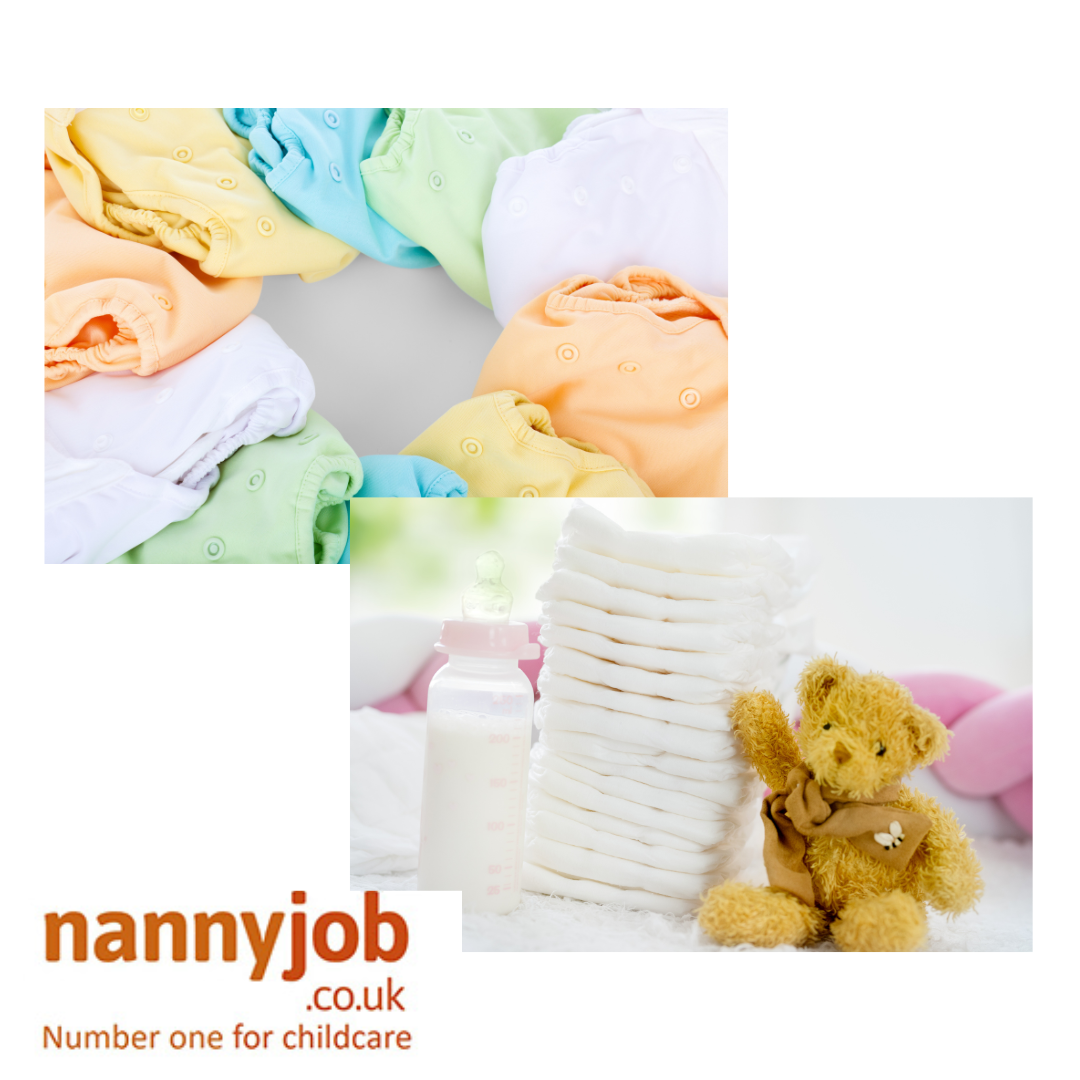
The debate between reusable and disposable nappies is ongoing, with parents weighing the pros and cons based on their lifestyle, budget, and environmental concerns. In the UK, as more families become environmentally conscious, the conversation becomes increasingly relevant. This post aims to explore the benefits and drawbacks of both types of nappies to help parents make an informed decision.

Introduction

The debate between reusable and disposable nappies is ongoing, with parents weighing the pros and cons based on their lifestyle, budget, and environmental concerns. In the UK, as more families become environmentally conscious, the conversation becomes increasingly relevant. This post aims to explore the benefits and drawbacks of both types of nappies to help parents make an informed decision.

Reusable Nappies: Pros and Cons

Pros

  1. Environmental Impact: Reusable nappies significantly reduce landfill waste. Unlike disposables, they can be used multiple times, cutting down on the environmental load.
  2. Cost-Effective: While the initial investment in reusable nappies is higher, they are more cost-effective in the long run, especially if used for multiple children.
  3. Less Chemical Exposure: Reusable nappies typically have fewer chemicals compared to disposables, which is gentler on a baby’s skin.

Cons

  1. Convenience: Reusable nappies require washing, which can be time-consuming and inconvenient for busy parents.
  2. Energy and Water Usage: The environmental benefit can be offset by the energy and water used to launder them.
  3. Bulkier Design: They can be bulkier than disposable nappies, which might affect how clothes fit on a baby.

Disposable Nappies: Pros and Cons

Pros

  1. Convenience: Disposable nappies are incredibly convenient, especially for on-the-go changes.
  2. Availability: They are widely available and can be disposed of easily, making them a practical choice for many families.
  3. Hygiene: Disposables are hygienic and require no laundering, reducing the workload for parents.

Cons

  1. Environmental Impact: Disposable nappies contribute significantly to landfill waste and are not biodegradable.
  2. Cost: Although convenient, the cost of disposables can add up, especially over the first few years of a child’s life.
  3. Chemical Exposure: Some disposables may contain chemicals that could irritate sensitive skin.

Making the Right Choice

The decision between reusable and disposable nappies depends on various factors including lifestyle, environmental consciousness, and budget. Many families find a hybrid approach—using cloth nappies at home and disposables when out and about—works well, balancing convenience and sustainability.

Conclusion

Whether you choose reusable or disposable nappies, the choice is deeply personal and depends on what works best for your family and your environmental priorities. Each option has its merits and limitations, and understanding these can help you make a choice that aligns with your values and lifestyle.

Delightful No-Bake Treats – Quick and Easy Recipes

Whether you’re pressed for time, lacking oven space, or simply looking to avoid the heat, no-bake treats are a fantastic solution. These treats are not only easy to make but are also incredibly delicious and perfect for any occasion. From creamy cheesecakes to chewy bars, let’s explore some nifty no-bake recipes that anyone can whip up at home.

Introduction

Whether you’re pressed for time, lacking oven space, or simply looking to avoid the heat, no-bake treats are a fantastic solution. These treats are not only easy to make but are also incredibly delicious and perfect for any occasion. From creamy cheesecakes to chewy bars, let’s explore some nifty no-bake recipes that anyone can whip up at home.

The Appeal of No-Bake Treats

No-bake treats are a lifesaver, especially during busy times or warmer seasons. They usually require fewer ingredients and less preparation time. Plus, they are often healthier options as they tend to contain natural ingredients like fruits, nuts, and oats.

Recipes to Try

1. Classic Chocolate Peanut Butter Bars

These bars are a crowd-pleaser. Combine crushed biscuits with melted butter for the base, top with a mix of peanut butter and powdered sugar, and finish with a layer of melted chocolate.

2. Lemon Coconut Balls

Mix shredded coconut, condensed milk, lemon juice, and zest together. Roll the mixture into balls and chill until firm. These are refreshing and perfect for a quick snack or a sweet treat after dinner.

3. No-Bake Cheesecake

Beat cream cheese with powdered sugar and vanilla extract until smooth. Fold in whipped cream and spoon onto a biscuit base. Chill for a few hours before topping with fresh berries or a fruit compote.

4. Chocolate Oatmeal Cookies

Combine oats, cocoa powder, peanut butter, and honey in a bowl. Shape the mixture into cookies and refrigerate until set. These are not only delicious but also offer a good energy boost.

Tips for Perfect No-Bake Treats

  • Chill your ingredients before mixing, as it helps to set the treats faster.
  • Use high-quality ingredients to enhance flavors, since there are usually fewer components to mask any off-tastes.
  • Be patient and let your treats set completely in the fridge before serving to avoid messy desserts.

Conclusion

No-bake treats are a fantastic way to whip up something sweet without the fuss of baking. They are quick, convenient, and utterly delicious. So next time you need a sweet fix, try one of these nifty no-bake recipes!

Showing Appreciation to Your Childcarer or Nanny

Childcarers and nannies play an indispensable role in many families across the UK, providing not just childcare but also education, companionship, and emotional support to children. Recognising their efforts and showing appreciation is not only courteous but also helps in building a strong, positive relationship. Here’s how you can show your gratitude to your childcarer or nanny in meaningful ways.

Introduction

Childcarers and nannies play an indispensable role in many families across the UK, providing not just childcare but also education, companionship, and emotional support to children. Recognising their efforts and showing appreciation is not only courteous but also helps in building a strong, positive relationship. Here’s how you can show your gratitude to your childcarer or nanny in meaningful ways.

Personalised Thank You Notes

A heartfelt, handwritten thank you note can make a significant impact. Expressing gratitude for specific instances where the nanny or childcarer went above and beyond can make them feel valued and appreciated.

Gift Tokens and Bonuses

Financial bonuses or gift vouchers during the holidays or on special occasions like National Nanny Recognition Week are a great way to show appreciation. Even small tokens tied to their interests (like a voucher for a bookshop if they love reading) can be very thoughtful.

Extra Time Off

Offering additional paid time off or allowing them to leave early occasionally, especially after a particularly hectic week, can be highly appreciated. This not only shows gratitude but also acknowledges their hard work and the taxing nature of their job.

Professional Development Opportunities

Investing in their professional growth by funding courses or workshops not only benefits their career but also demonstrates that you value their development as much as their contribution to your family.

Regular Feedback and Open Communication

Maintain open lines of communication and provide regular positive feedback. Acknowledge their achievements and discuss any areas for improvement in a constructive manner. This can foster mutual respect and a healthy working environment.

Conclusion

Showing appreciation to your childcarer or nanny is crucial in nurturing a positive and enduring relationship. Simple acts of kindness and recognition can go a long way in ensuring they feel valued and respected, which in turn, reflects positively in the care they provide to your children.