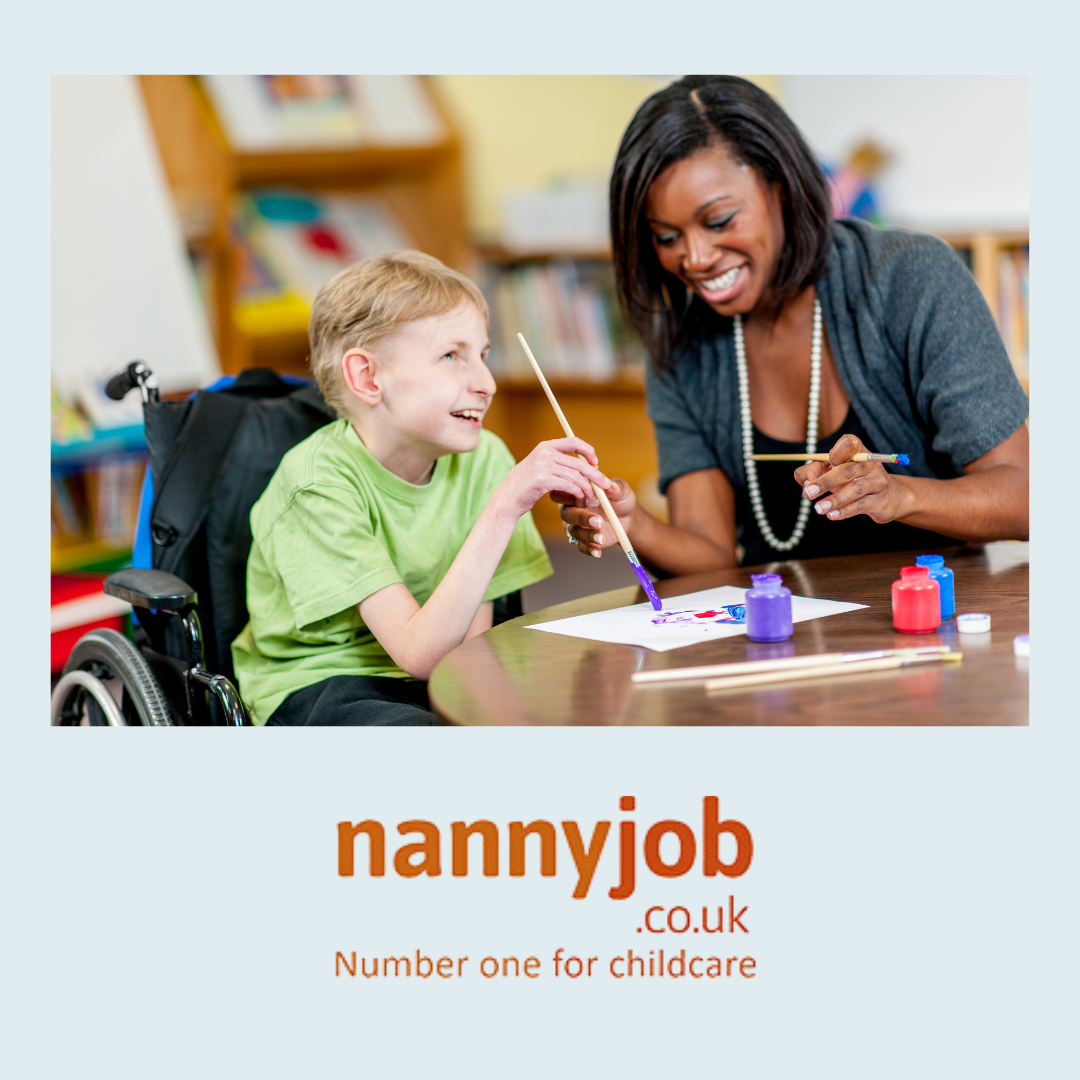
Learning Disability Week UK – Supporting and Understanding

Learning Disability Week in the UK is an important time to raise awareness about learning disabilities, promote inclusion, and provide support to individuals and families. It’s an opportunity for parents, nannies, and childcarers to learn more about how to support children with learning disabilities and how to foster an environment of acceptance and equality. This year, let’s focus on recognizing the signs of learning disabilities, how to communicate concerns responsibly, and how to teach children about non-discrimination.

Introduction

Learning Disability Week in the UK is an important time to raise awareness about learning disabilities, promote inclusion, and provide support to individuals and families. It’s an opportunity for parents, nannies, and childcarers to learn more about how to support children with learning disabilities and how to foster an environment of acceptance and equality. This year, let’s focus on recognising the signs of learning disabilities, how to communicate concerns responsibly, and how to teach children about non-discrimination.

Recognizing Signs of Learning Disabilities

Identifying a learning disability early can greatly improve a child’s academic and social development. Nannies and childcarers are in a unique position to notice atypical development or learning difficulties. Signs may include difficulty following directions, problems with reading, writing, or math, difficulty remembering, or problems with coordination.

Approaching Parents About a Potential Learning Disability

If you suspect a child in your care may have a learning disability, approaching the topic with parents is sensitive but crucial. Here are some tips:

  1. Gather Observations: Before approaching parents, collect specific observations about the child’s behaviour and learning patterns.
  2. Choose the Right Time and Setting: Schedule a private and quiet time to talk, ensuring there’s enough time for a detailed discussion without interruptions.
  3. Be Supportive and Fact-Based: Present your observations factually and express your concerns gently but clearly. Reassure the parents of your supportive role in their child’s development.
  4. Suggest Further Assessment: Encourage the parents to consult professionals for a comprehensive evaluation. Offer to provide support during this process.

Supporting Families with Children with Learning Disabilities

Supporting a family with a child who has a learning disability involves patience, understanding, and proactive engagement. Here are some ways to provide support:

  1. Educate Yourself: Learn about different types of learning disabilities and effective strategies to assist children.
  2. Implement Inclusive Activities: Use tools and resources that accommodate various learning styles and needs.
  3. Encourage Open Communication: Maintain open lines of communication with the family to discuss the child’s progress and any adjustments needed in caregiving strategies.

Teaching Children Not to Discriminate Against Learning Disabilities

Education about inclusivity and diversity should start young. Here’s how to teach children not to discriminate:

  1. Lead by Example: Show inclusive behavior. Use positive language when discussing differences and show respect for all individuals.
  2. Educational Stories and Activities: Use books, videos, and activities that highlight diverse characters, including those with disabilities, to teach acceptance and empathy.
  3. Discuss Openly: Encourage questions and discuss learning disabilities openly to demystify them and reduce stigma.

Conclusion

Learning Disability Week is more than just a campaign; it’s a crucial reminder of the ongoing need to be inclusive and supportive of all individuals, regardless of their learning abilities. By working together, we can create a supportive environment that promotes the well-being and development of all children.

Celebrating World Refill Day – Teaching Kids Sustainable Practices

World Refill Day is a global campaign aimed at reducing plastic pollution and promoting a more sustainable way of living by encouraging the use of reusable containers, bottles, and other items. It’s an excellent opportunity to engage children in conversations about sustainability and to teach them the importance of actions that help protect our environment.

Introduction

World Refill Day is a global campaign aimed at reducing plastic pollution and promoting a more sustainable way of living by encouraging the use of reusable containers, bottles, and other items. It’s an excellent opportunity to engage children in conversations about sustainability and to teach them the importance of actions that help protect our environment.

Why Focus on Children?

Instilling sustainable habits in children not only impacts their future but also amplifies their influence on families and communities. Teaching kids from a young age about the consequences of plastic pollution and the benefits of reusable items can set the foundation for lifelong eco-friendly behaviours.

How to Celebrate World Refill Day with Kids

  1. Use Reusable Containers: Start by replacing disposable water bottles and lunch packaging with reusable versions. Let your kids pick out their own fun designs to boost their enthusiasm for using them.
  2. DIY Decorated Reusable Bags: Organise a craft session where kids can decorate canvas tote bags. It’s a creative way to make sustainability exciting and personal.
  3. Visit Refill Stations: Take a trip to local stores that offer refill stations for detergents, shampoos, or cereals. Show children how these systems work and discuss how they help reduce waste.
  4. Educational Games and Activities: Use games to teach children about recycling and the environment. Apps and board games focused on eco-consciousness can make learning fun and interactive.
  5. Model Sustainable Behaviors: Children learn a lot by observation. Make sure you lead by example, using refillable products and reducing plastic waste in your everyday life.

Conclusion

World Refill Day isn’t just about one day of action but about fostering a mindset that can lead to substantial environmental change. By involving children in these activities, we not only educate them about the importance of sustainability but also empower them to think about the future of the world they live in.

What’s the difference between ‘gross pay’ and ‘net pay’?

Almost all employment industries in the UK discuss salaries in Gross terms; in the nanny industry, however, this hasn’t always been the case. Some nannies are still paid net salaries, but as an employer, if you agree to a Net salary with your nanny you may be in for a shock when faced with how much employing your nanny is really going to cost…  

Almost all employment industries in the UK discuss salaries in Gross terms; in the nanny industry, however, this hasn’t always been the case. Some nannies are still paid net salaries, but as an employer, if you agree to a Net salary with your nanny you may be in for a shock when faced with how much employing your nanny is really going to cost…  

What is Net Pay?

Net Pay is the ‘Take Home Pay’ that your nanny receives after Tax, National Insurance, and Pension deductions (if applicable). This means you will be liable for paying your nanny’s tax, National Insurance, Pension contributions, as well as any student loans and/ or attachment of earnings order (such as previously unpaid council tax or child maintenance) against your employee on top of their salary. This is where many employers find themselves paying a lot more than they had anticipated. 

What is Gross Pay?

Gross Pay includes your nanny’s ‘Take Home Pay’ and your nanny’s tax, National Insurance, and Pension Contributions (if applicable). 

What are the benefits of a Gross salary? 

For Nanny Employers:

  • A Gross salary will help you budget better because it includes tax, National Insurance, and pension contributions right from the start.
  • You won’t be responsible for any unpaid taxes or deductions from the nanny’s previous jobs.
  • It makes things clearer when dealing with HMRC, who usually only talk in Gross terms.

For Nannies:

  • A Gross salary provides job stability, since employers know the full cost upfront.
  • You can take advantage of your tax-free allowance, which usually increases each April.
  • You can compare your salary with other childcare jobs, since most industries use Gross terms.
  • It’s easier to show proof of income for things like mortgages or loans because lenders usually want to see Gross income. 

So how much does employing a nanny really cost?

The Gross salary doesn’t cover all the costs of employing a nanny. What does cover everything is something called the ‘Total Cost of Employment’.

The Total Cost of Employment is the Gross Salary, plus the Employer’s National Insurance Contributions and the Employer’s Pension Contributions (if applicable).

In other words, a Gross salary accounts for your nanny’s tax, National Insurance, and Pension Contributions, but not your own employer contributions. 

How can I work out my Total Cost of Employment?

If you’d like to work out your Total Cost of Employment, you can use Nannytax’s Calculator. Simply enter the Gross or Net salary figure and it will calculate your Total Cost of Employment and some additional helpful breakdowns – easy peasy!

This blog was written by Nannytax, with over 30 years of experience, they are the UK market leader in nanny payroll and nanny employment.

Discover more about Nannytax here. 

Drowning Prevention Week UK – Keeping Our Children Safe Around Water

Drowning Prevention Week, organised by the Royal Life Saving Society UK (RLSS UK), is an annual campaign aimed at reducing the number of drowning and near-drowning incidents. This campaign is especially relevant as the warmer months approach, bringing with them increased water activities. In this post, we will explore essential drowning prevention tips and how parents, nannies, and childcarers can ensure the safety of children around water.

Introduction

Drowning Prevention Week, organised by the Royal Life Saving Society UK (RLSS UK), is an annual campaign aimed at reducing the number of drowning and near-drowning incidents. This campaign is especially relevant as the warmer months approach, bringing with them increased water activities. In this post, we will explore essential drowning prevention tips and how parents, nannies, and childcarers can ensure the safety of children around water.

The Importance of Water Safety

Drowning is one of the leading causes of accidental death in children within the UK. However, most drowning incidents are preventable. Educating both children and adults about safe water practices is crucial in reducing these tragic accidents.

Key Tips for Drowning Prevention

  1. Supervise Always: Never leave a child unattended near water, even if they know how to swim. Constant supervision is necessary whether near pools, bathtubs, or natural bodies of water.
  2. Learn to Swim: Ensure that children take swimming lessons from a certified instructor. Swimming is not only a fun activity but also a crucial survival skill.
  3. Use Life Jackets: In open water settings such as lakes or the sea, children and even adults should wear life jackets.
  4. Establish Rules: Set clear, enforceable rules about water safety, such as no running near the pool and no pushing others into water.
  5. Learn CPR: Parents, nannies, and caregivers should be trained in CPR. Knowing these lifesaving techniques can make a critical difference in an emergency.

Conclusion

Drowning Prevention Week serves as an important reminder of the ongoing need to be vigilant about water safety. By following these guidelines and fostering an environment of respect and caution around water, we can protect our children and enjoy a safe summer.

World Ocean Day

World Ocean Day highlights the critical role of the oceans in our daily lives and the importance of conserving marine environments. It’s a day to celebrate the beauty and wealth of the oceans while advocating for sustainable marine practices.

World Ocean Day: Conserving Our Blue Planet

World Ocean Day highlights the critical role of the oceans in our daily lives and the importance of conserving marine environments. It’s a day to celebrate the beauty and wealth of the oceans while advocating for sustainable marine practices.

The Significance of Our Oceans

Oceans generate most of the oxygen we breathe, regulate our climate, and provide sustenance and livelihoods to millions of people.

Actions to Help Protect Our Oceans

  • Reduce your use of plastics to prevent ocean pollution.
  • Support sustainable seafood choices.
  • Educate yourself and others about marine conservation.

Conclusion

World Ocean Day calls us to reflect on our environmental impact and take proactive steps to ensure a healthy ocean for future generations.

Child Safety Week

Child Safety Week: Protecting Our Most Precious

Child Safety Week is an annual campaign aimed at raising awareness about the risks of child accidents and how they can be prevented. It’s a crucial time for families, caregivers, and communities to come together to ensure children’s environments are as safe as possible.

Understanding the Importance of Child Safety

Child accidents are a leading cause of death and serious injury among children. However, many of these incidents are preventable with the right knowledge and precautions.

Tips for Enhancing Child Safety

  • Childproof your home by securing furniture to the walls, storing chemicals out of reach, and installing safety gates.
  • Teach children basic safety measures like looking both ways before crossing the street and not talking to strangers.
  • Keep emergency numbers and basic first aid supplies readily accessible.

Conclusion

Child Safety Week reminds us that protecting children from harm is everyone’s responsibility. By taking proactive steps, we can create a safer environment for our children to explore, learn, and grow.

International Children’s Day

International Children’s Day is a momentous occasion dedicated to honouring children’s rights, freedoms, and the joy of childhood. It’s a day for communities around the world to come together to promote the welfare of all children and to celebrate their potential and accomplishments.

Celebrating the Spirit of Childhood on International Children’s Day

International Children’s Day is a momentous occasion dedicated to honouring children’s rights, freedoms, and the joy of childhood. It’s a day for communities around the world to come together to promote the welfare of all children and to celebrate their potential and accomplishments.

The Importance of International Children’s Day

This day serves as a reminder of the importance of nurturing, protecting, and providing for children, ensuring they have the opportunities needed to thrive. It’s a call to action for all of us to recognise the challenges children face globally and to commit to addressing these issues.

Activities and Ways to Celebrate

  • Organise community events or a family day out in the park, focusing on child-friendly activities.
  • Participate in or host educational workshops that focus on children’s rights and well-being.
  • Volunteer or donate to organisations that work towards improving child welfare.

Conclusion

International Children’s Day isn’t just a celebration; it’s a global acknowledgment of the significance of childhood and the responsibility we all share in fostering a better world for the next generation.

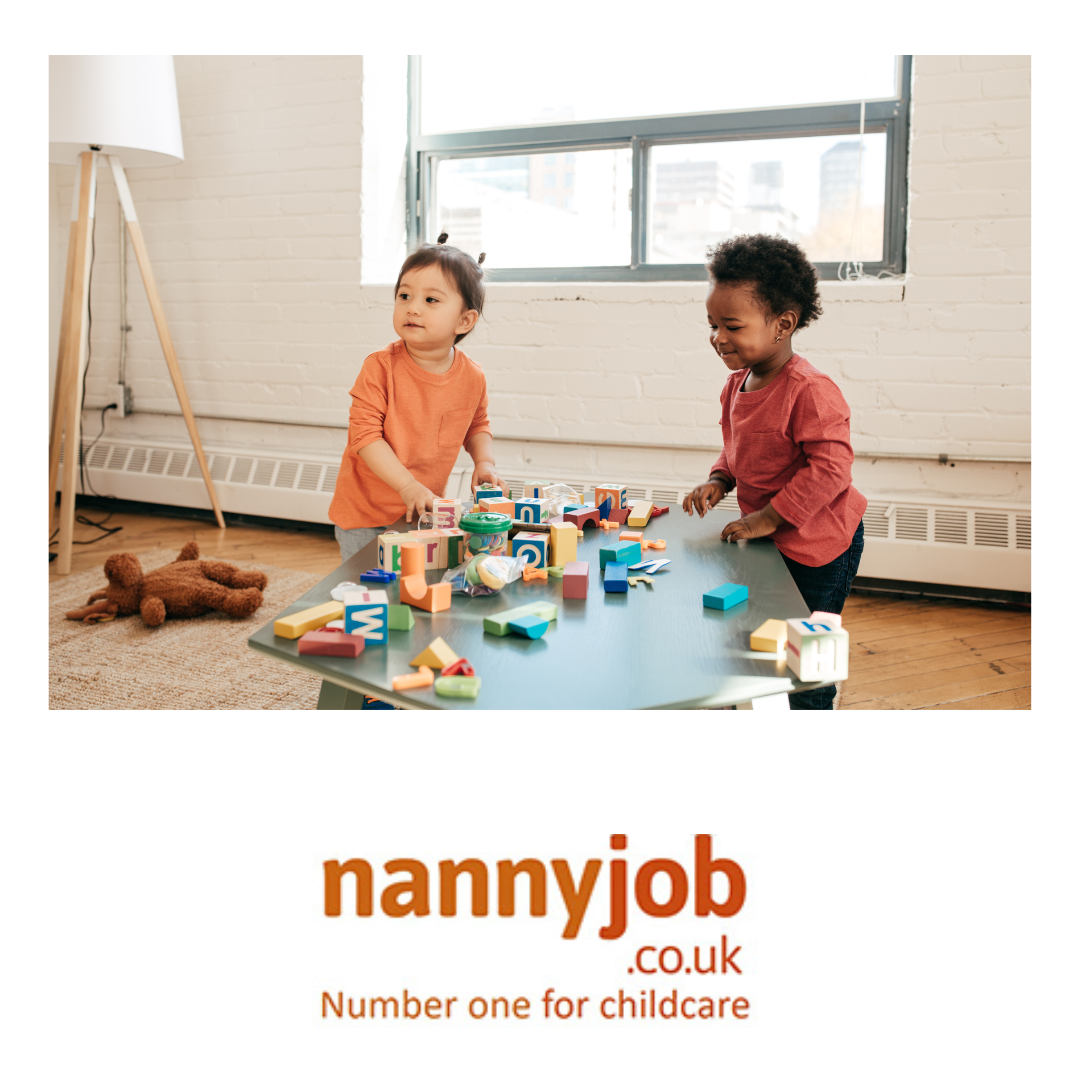
Top Tips for Hosting Your First Playdate as a Nanny

Hosting your first playdate as a nanny can be both exciting and daunting. Playdates are a fantastic opportunity for children to develop social skills, engage in shared activities, and enjoy companionship. To ensure a successful and stress-free playdate, here are some top tips to help you plan and host an enjoyable event for the little ones in your care.

Introduction

Hosting your first playdate as a nanny can be both exciting and daunting. Playdates are a fantastic opportunity for children to develop social skills, engage in shared activities, and enjoy companionship. To ensure a successful and stress-free playdate, here are some top tips to help you plan and host an enjoyable event for the little ones in your care.

Planning Ahead

1. Communicate with Parents

Before planning the playdate, discuss with the parents any dietary restrictions, allergies, and preferences regarding activities. This ensures that you are aware of any important details that could affect the choice of snacks or play activities.

2. Choose Age-Appropriate Activities

Select activities that are suitable for the age group of the children involved. Consider a mix of both structured activities, like a craft or a game, and free play, which allows the children to lead their own play and interactions.

3. Prepare the Environment

Safety is paramount. Ensure the play area is child-proofed and free from potential hazards. Arrange toys and materials beforehand to have everything ready for the children when they arrive.

During the Playdate

4. Set Clear Ground Rules

It’s helpful to establish a few simple rules at the beginning of the playdate, such as sharing toys, using inside voices, and perhaps a reminder about where the bathroom is. Clear expectations help prevent misunderstandings and conflicts among the children.

5. Be an Active Supervisor

While it’s important to allow the children to play independently, stay engaged and monitor their interactions. Be ready to step in if disputes arise or if someone needs help. This ensures the playdate remains fun and safe for everyone.

6. Have a Flexible Schedule

While having a plan is important, be prepared to adapt based on how the playdate is going. Some activities might not engage the children as much as expected, or they might be particularly enamored with one game and want to extend it. Flexibility can keep the playdate enjoyable rather than forcing a strict schedule.

Conclusion

Hosting a playdate as a nanny is an excellent opportunity to foster developmental and social skills in children. By preparing thoroughly and maintaining a flexible, attentive approach, you can ensure that the playdate is a fun and beneficial experience for all involved. With these tips in mind, you’re set to make your first playdate a great success!

6 Creative Ways to Use Pom-Poms in Crafts and Home Decor

Pom-poms, those fluffy balls of fun, are not just for cheerleaders! They are a versatile crafting material that can add colour, texture, and a touch of whimsy to various projects around the home. Whether you buy them ready-made or create them yourself with yarn, pom-poms are a fantastic way to brighten up your crafts and decor. Here are six creative ways to incorporate pom-poms into your next project.

Introduction

Pom-poms, those fluffy balls of fun, are not just for cheerleaders! They are a versatile crafting material that can add colour, texture, and a touch of whimsy to various projects around the home. Whether you buy them ready-made or create them yourself with yarn, pom-poms are a fantastic way to brighten up your crafts and decor. Here are six creative ways to incorporate pom-poms into your next project.

1. Pom-Pom Garlands

Create a vibrant garland by stringing together colorful pom-poms. This can be draped around doorways, windows, or used as a festive decoration for parties. It’s a simple project that even kids can help with, making it a fun family activity.

2. Pom-Pom Rugs

A pom-pom rug is a cosy addition to any room, providing soft, plush texture underfoot. Use a non-slip rug mat as a base, and attach pom-poms close together until the surface is completely covered. Mix colours for a vibrant effect or use one color for a more unified look.

3. Decorative Throw Pillows

Sew or glue pom-poms around the edges of throw pillows to add a playful border that pops against more traditional fabrics. This can invigorate an older pillow and is an easy way to match your decor to seasonal themes or current colour trends.

4. Bookmark Accents

For the book lovers, pom-poms can make delightful bookmarks. Attach a single pom-pom to a strip of cardstock or a thin ribbon to help keep your place in style. This is a great craft for gift-giving or as a small project to introduce children to crafting.

5. Gift Wrapping Embellishments

Elevate your gift wrapping by attaching a cluster of small pom-poms to the top of a gift for a chic and unique look. This works particularly well for special occasions like birthdays, weddings, or Christmas, adding a personal touch to your presents.

6. Pom-Pom Jewelry

Create unique jewelry pieces like necklaces or earrings with pom-poms. They make lightweight and eye-catching accessories that can range from playful to elegant, depending on the colors and sizes you choose.

Conclusion

Pom-poms are a fantastic, low-cost way to add a burst of fun and creativity to your craft projects and home decor. Whether you’re decorating for a party, sprucing up your home, or making unique gifts, pom-poms provide a versatile and attractive option that’s sure to brighten up any item.

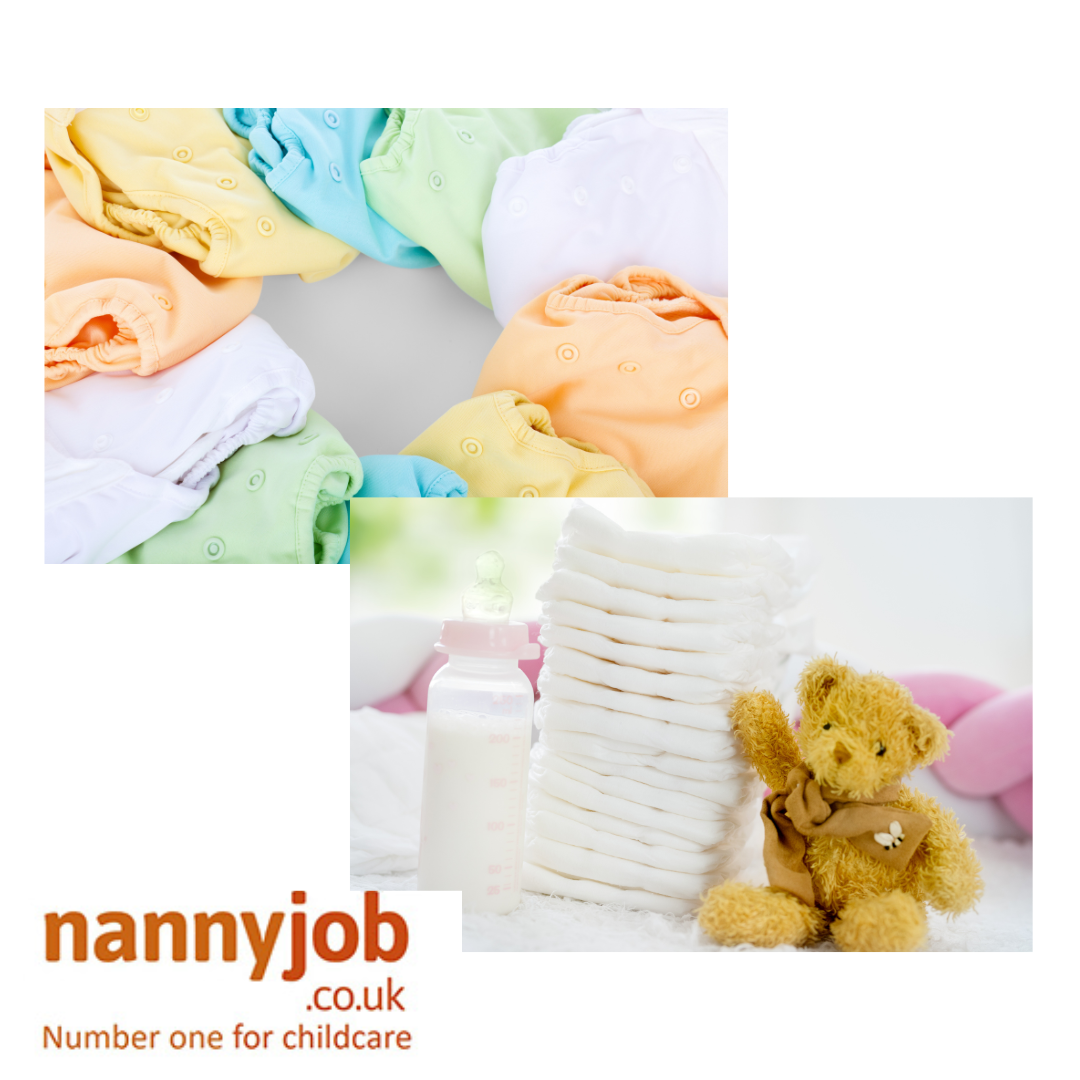
Reusable vs Disposable Nappies: Making an Informed Choice

The debate between reusable and disposable nappies is ongoing, with parents weighing the pros and cons based on their lifestyle, budget, and environmental concerns. In the UK, as more families become environmentally conscious, the conversation becomes increasingly relevant. This post aims to explore the benefits and drawbacks of both types of nappies to help parents make an informed decision.

Introduction

The debate between reusable and disposable nappies is ongoing, with parents weighing the pros and cons based on their lifestyle, budget, and environmental concerns. In the UK, as more families become environmentally conscious, the conversation becomes increasingly relevant. This post aims to explore the benefits and drawbacks of both types of nappies to help parents make an informed decision.

Reusable Nappies: Pros and Cons

Pros

  1. Environmental Impact: Reusable nappies significantly reduce landfill waste. Unlike disposables, they can be used multiple times, cutting down on the environmental load.
  2. Cost-Effective: While the initial investment in reusable nappies is higher, they are more cost-effective in the long run, especially if used for multiple children.
  3. Less Chemical Exposure: Reusable nappies typically have fewer chemicals compared to disposables, which is gentler on a baby’s skin.

Cons

  1. Convenience: Reusable nappies require washing, which can be time-consuming and inconvenient for busy parents.
  2. Energy and Water Usage: The environmental benefit can be offset by the energy and water used to launder them.
  3. Bulkier Design: They can be bulkier than disposable nappies, which might affect how clothes fit on a baby.

Disposable Nappies: Pros and Cons

Pros

  1. Convenience: Disposable nappies are incredibly convenient, especially for on-the-go changes.
  2. Availability: They are widely available and can be disposed of easily, making them a practical choice for many families.
  3. Hygiene: Disposables are hygienic and require no laundering, reducing the workload for parents.

Cons

  1. Environmental Impact: Disposable nappies contribute significantly to landfill waste and are not biodegradable.
  2. Cost: Although convenient, the cost of disposables can add up, especially over the first few years of a child’s life.
  3. Chemical Exposure: Some disposables may contain chemicals that could irritate sensitive skin.

Making the Right Choice

The decision between reusable and disposable nappies depends on various factors including lifestyle, environmental consciousness, and budget. Many families find a hybrid approach—using cloth nappies at home and disposables when out and about—works well, balancing convenience and sustainability.

Conclusion

Whether you choose reusable or disposable nappies, the choice is deeply personal and depends on what works best for your family and your environmental priorities. Each option has its merits and limitations, and understanding these can help you make a choice that aligns with your values and lifestyle.