
Exploring Cultures from Your Living Room: Activities & Crafts from Around the World

Traveling might be on hold for many of us, but exploring diverse cultures doesn’t have to be. There’s a whole world inside your living room waiting to be discovered through crafts, activities, and stories. Here are some delightful ways to journey around the world without stepping outside your door:

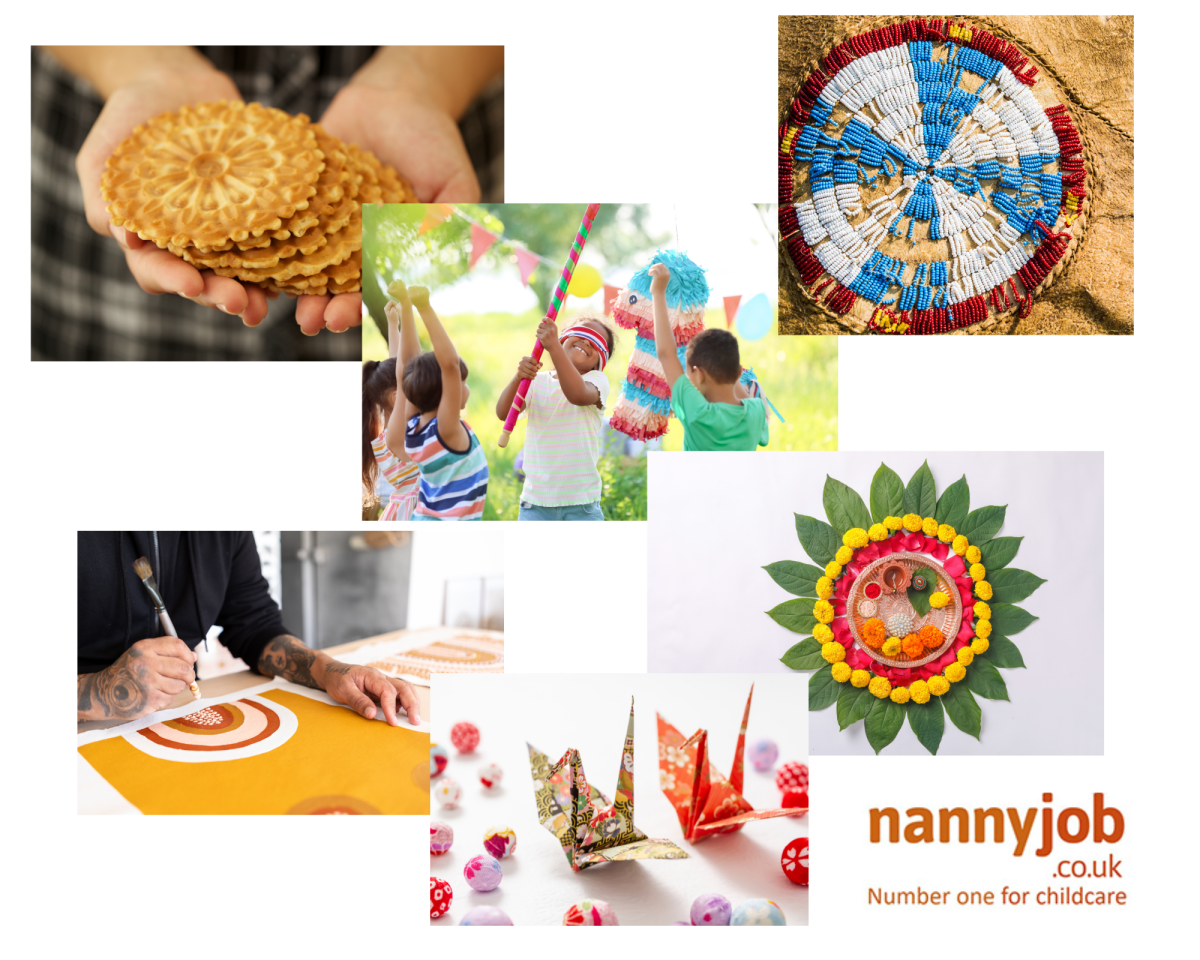
1. Japanese Origami:

Activity: Learn the ancient art of Japanese paper folding.

Materials: Square sheets of paper.

Guide: Start with basics like the crane or boat and gradually work up to more complex designs.

2. African Beadwork:

Activity: Create beautiful African-inspired bead jewellery.

Materials: Colourful beads, string, or thread.

Guide: Explore patterns from tribes such as the Zulu or Maasai and craft necklaces or bracelets.

3. Indian Rangoli:

Activity: Make a vibrant floor art using coloured sand or rice.

Materials: Coloured sand or rice, rangoli patterns.

Guide: Design symmetrical patterns on the floor, usually done during festivals.

4. Mexican Piñatas:

Activity: Build and decorate your own piñata.

Materials: Balloon, newspaper, flour, water, paint, and candies.

Guide: Make a paste from flour and water, layer newspaper strips dipped in the paste over a balloon, let dry, paint, and fill with candies.

5. Australian Aboriginal Dot Painting:

Activity: Craft a unique artwork inspired by indigenous Australians.

Materials: Canvas or paper, paint, cotton buds.

Guide: Using cotton buds, create intricate designs using only dots.

6. Italian Pizzelle Making:

Activity: Cook these traditional waffle cookies.

Materials: Pizzelle iron, ingredients for the batter (eggs, sugar, butter, flour, vanilla extract).

Guide: Mix ingredients, pour into a pre-heated pizzelle iron, and cook until golden.

These activities not only offer a fun pastime but also provide invaluable lessons about the world’s cultures. So put on some traditional music from each region, dive into the activity, and transport your family to another corner of the globe!

Cooking with Children: Simple Recipes to Boost Their Culinary Confidence

The kitchen is not just a place where meals are made; it’s a learning hub. For children, it’s an experimental playground where maths meets art, and science blends with creativity. Engaging children in the culinary arts not only boosts their confidence but also enhances their skills. Here are a few easy recipes to get started:

The kitchen is not just a place where meals are made; it’s a learning hub. For children, it’s an experimental playground where maths meets art, and science blends with creativity. Engaging children in the culinary arts not only boosts their confidence but also enhances their skills. Here are a few easy recipes to get started:

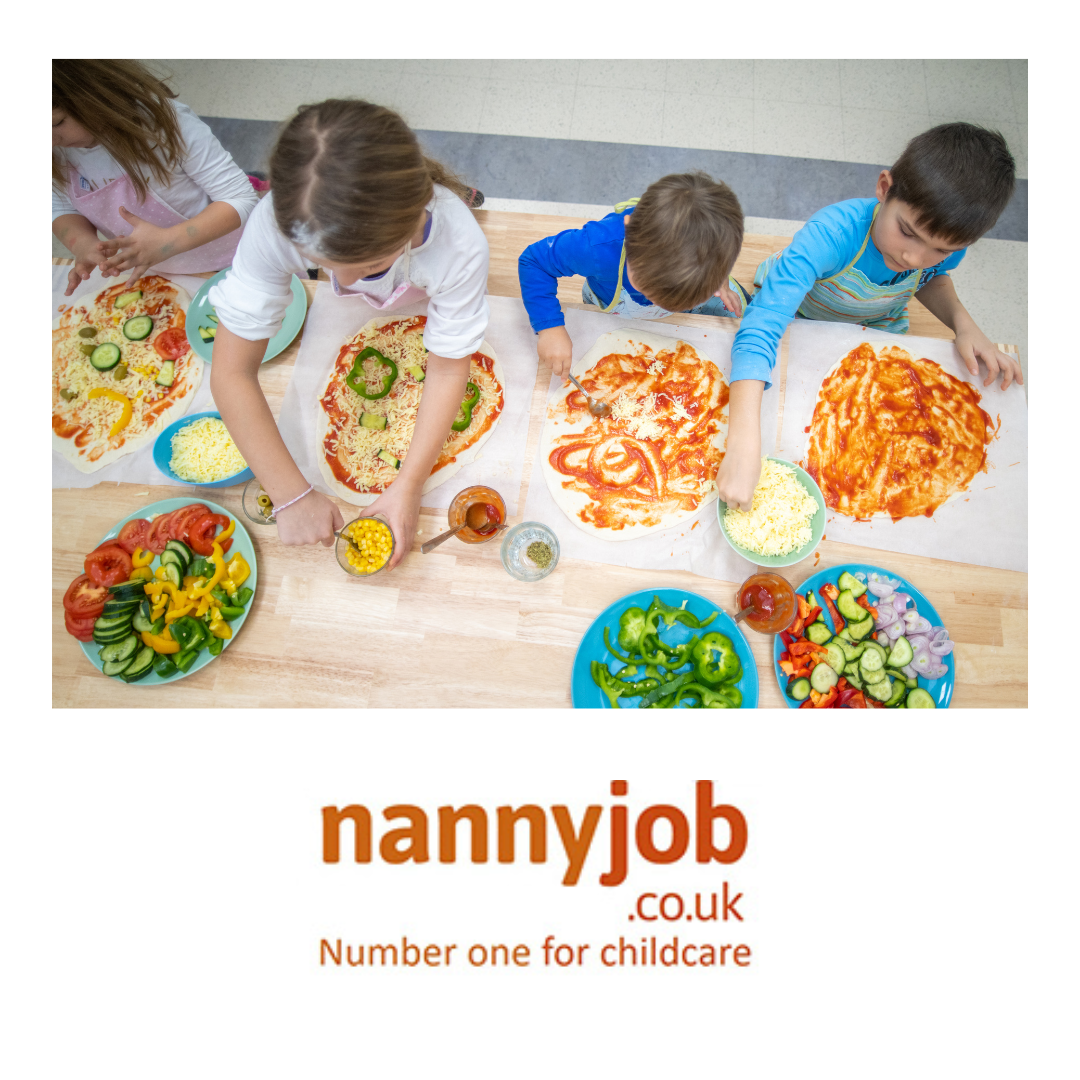
1. Mini Pizzas:

  • Ingredients: English muffins, tomato sauce, shredded cheese, and toppings of choice (peppers, olives, ham, etc.)
  • Method: Cut the muffins in half, spread tomato sauce, sprinkle cheese, add toppings, and bake until cheese melts.

2. Fruit Kabobs:

  • Ingredients: Assorted fruits (melon, grapes, strawberries) and skewers.
  • Method: Cut fruits into bite-sized pieces and thread them onto skewers.

3. No-Bake Oatmeal Cookies:

  • Ingredients: Rolled oats, cocoa powder, peanut butter, honey, and vanilla extract.
  • Method: Mix all ingredients, shape into cookies, and refrigerate.

4. DIY Sandwich Shapes:

  • Ingredients: Bread, sandwich fillings (cheese, ham, turkey), and cookie cutters.
  • Method: Let kids cut shapes out of bread and fill them with their choice of fillings.

Safety First! Always supervise children, especially when using sharp objects or the oven.

Remember, the goal is to make cooking a fun, educational experience. It’s okay if the dish isn’t perfect; the joy lies in the journey and the confidence they gain from creating something of their own.


Little Scientists: Fun & Safe Experiments to Do at Home

Children are natural explorers, driven by curiosity. Why not channel this inquisitive energy into fun, safe, and educational experiments right at home? Here’s a dive into the world of DIY science that you can do with your kids.

Children are natural explorers, driven by curiosity. Why not channel this inquisitive energy into fun, safe, and educational experiments right at home? Here’s a dive into the world of DIY science that you can do with your kids.

1. Density Tower: Using household liquids like honey, dish soap, water, and oil, create layers in a glass to demonstrate the differences in their densities. Kids will marvel at how the liquids don’t mix!

2. Invisible Ink: Remember those secret messages we used to write as kids? Using lemon juice, write a message on paper, let it dry, and then hold it near a light bulb to see the message appear due to the oxidation of lemon juice.

3. Grow Your Crystals: With just salt or sugar, hot water, and a bit of patience, kids can grow their own dazzling crystals. Over days, they’ll observe the transformation of simple ingredients into intricate crystal structures.

4. Dancing Raisins: Pour soda into a clear glass and add a handful of raisins. Watch the carbon dioxide bubbles lift the raisins up and down, making it seem like they are dancing!

Safety First! While these experiments are designed to be safe, always supervise children and make sure they know not to ingest any of the materials.

Fostering scientific curiosity early on can lay the foundation for a lifelong love of learning. Plus, it’s a great way for families to bond over shared discoveries. So, don your lab coats, transform your kitchen into a lab, and let the experiments begin!


Helping Your Child Navigate the Digital World: Preventing Internet Addiction

In the modern era, children have grown up as digital natives, accessing the Internet from a very young age. While it offers a treasure trove of information and educational tools, it also brings forward the challenge of Internet addiction.

Understanding Internet Addiction in Children: Internet addiction is marked by excessive or poorly controlled desires related to Internet use, which affects the child’s daily routine, social interactions, and overall well-being. But, as parents and nannies, there are ways to guide and protect our young ones.

In the modern era, children have grown up as digital natives, accessing the Internet from a very young age. While it offers a treasure trove of information and educational tools, it also brings forward the challenge of Internet addiction.

Understanding Internet Addiction in Children: Internet addiction is marked by excessive or poorly controlled desires related to Internet use, which affects the child’s daily routine, social interactions, and overall well-being. But, as parents and nannies, there are ways to guide and protect our young ones.

Tips to Prevent Internet Addiction in Children:

  1. Establish Screen Time Limits: Set daily or weekly limits for non-educational screen time. Be consistent in enforcing these limits.
  2. Encourage Offline Activities: Dedicate time for offline hobbies. Be it arts and crafts, reading, or playing a sport, ensure they have ample offline engagements.
  3. Tech-Free Zones: Make certain areas, like dining rooms and bedrooms, device-free. This encourages family interaction and healthy sleeping patterns.
  4. Educate on Safe Internet Use: Teach your children about the dangers of over-reliance on the Internet and the importance of real-world interactions.
  5. Be a Role Model: Lead by example. If children see you setting and following digital boundaries, they’re more likely to do the same.
  6. Open Dialogue: Encourage your children to talk about their online experiences. Address their queries and concerns about the digital realm.
  7. Professional Guidance: If you notice alarming signs of addiction, such as falling grades or decreased social interactions, don’t hesitate to seek professional advice.

Guiding children in the digital age requires patience and understanding. Let’s help them harness the Internet’s power without letting it overshadow their beautiful childhood.


“Saying ‘No’: Prioritising Connection Over Consumerism”

In recent years, the conversation surrounding childhood happiness and well-being has been pivotal. A notable study by UNICEF highlighted the disconnect between what children value and what parents believe they want. When juxtaposed with countries like Sweden and Spain, the UK seemed to falter in some key areas. Here’s an exploration of these findings and what they could mean for the way we approach parenting today.

In recent years, the conversation surrounding childhood happiness and well-being has been pivotal. A notable study by UNICEF highlighted the disconnect between what children value and what parents believe they want. When juxtaposed with countries like Sweden and Spain, the UK seemed to falter in some key areas. Here’s an exploration of these findings and what they could mean for the way we approach parenting today.

Pressures of Modern Parenting Today’s parents grapple with an unprecedented challenge – the onslaught of consumerist pressures. Brands consistently market to the younger demographic, making children feel they need the latest toy or gadget. Parents, often dealing with the demands of work and the desire to ensure their child’s happiness, sometimes fall into the trap of materialistic appeasement. However, as Agnes Nairn, the author of the UNICEF report, points out, what children truly crave is quality time with their parents.

The Essence of True Happiness The findings show children associating happiness with time spent outdoors and quality interactions with family and friends. In stark contrast, prolonged hours in front of screens and an abundance of toys did not rank high. This brings us to an essential parenting question: Are we using material possessions as a substitute for time and connection?

Taking Inspiration from Abroad While each country has its unique culture and practices, we could draw inspiration from places like Spain and Sweden. Here, despite the pressures of a consumer-driven world, families prioritise bonding over buying. Perhaps it’s time for us to introspect and recalibrate our priorities.

The Power of ‘No’ Saying ‘no’ isn’t about deprivation; it’s about empowerment. By not always caving into material demands, we teach children invaluable life lessons about gratitude, motivation, and the real sources of happiness. More isn’t always better, and true contentment doesn’t stem from constant acquisition.

In Conclusion While societal pressures won’t vanish overnight, being mindful of our choices can make a difference. Let’s prioritize experiences over objects and cultivate values that will serve our children well in the long run. And remember, the great outdoors awaits, offering a sanctuary for both kids and adults. Enjoy the moment, embrace the connection, and cherish the memories.


Back-to-School Essentials: What Every Parent and Nanny Should Know

The back-to-school season is an exciting yet stressful time for everyone involved—kids, parents, and nannies alike. The promise of new beginnings comes with the challenge of adjustments and preparations. Ensuring a smooth transition from holiday mode to school mode requires teamwork. Here’s what every parent and nanny should know when it comes to back-to-school essentials.

The back-to-school season is an exciting yet stressful time for everyone involved—kids, parents, and nannies alike. The promise of new beginnings comes with the challenge of adjustments and preparations. Ensuring a smooth transition from holiday mode to school mode requires teamwork. Here’s what every parent and nanny should know when it comes to back-to-school essentials.

1. School Supplies

A well-stocked backpack can make the first week of school a lot easier. Ensure it includes:

  • Pencils and erasers
  • Notebooks
  • A lunchbox
  • A water bottle
  • Hand sanitizer

2. Wardrobe

Sort through your child’s clothing to determine what still fits and what can be donated. Make a list of what you’ll need to buy.

3. The Right Routine

Start adjusting bedtimes and wake-up calls at least a week before school starts. This helps kids get into the right sleep routine, ensuring they are well-rested and ready to learn.

4. Meal Planning

Plan out your first week of meals, especially breakfasts and packed lunches, in advance. The more you can do ahead of time, the less chaotic the first week will be.

5. Emotional Preparation

Talk openly with the child about any worries or questions they may have. Make sure they know that it’s normal to feel a mix of emotions and that they are not alone.

6. Emergency Contact Info

Make sure your child knows who to contact in case of emergencies and how. Parents and nannies should also have a list of emergency contact information.

7. Health Check-ups

Now is the perfect time for a health check-up and any necessary vaccinations.

8. Teacher and School Communication

Both parents and nannies should know how to get in touch with the child’s teacher and school. Make sure you are signed up for any newsletters or apps the school uses to communicate with parents and caregivers.


Building a Strong Relationship with Your Child’s Teacher: A Guide for Nannies and Child Carers

One of the most pivotal relationships in a child’s education is the one between their parents and their teacher. But when you’re a nanny or child carer, your relationship with that teacher can be equally important. Regular communication, cooperation, and a mutual respect for each other’s roles can significantly benefit the child’s educational journey. Here’s how you can build a strong relationship with your child’s teacher.

One of the most pivotal relationships in a child’s education is the one between their parents and their teacher. But when you’re a nanny or child carer, your relationship with that teacher can be equally important. Regular communication, cooperation, and a mutual respect for each other’s roles can significantly benefit the child’s educational journey. Here’s how you can build a strong relationship with your child’s teacher.

The Initial Introduction

Don’t underestimate the power of a strong first impression. Make a point to meet the teacher early in the school year. Your initial interaction doesn’t have to be a formal meeting; it can be as simple as a quick hello during drop-off time.

Regular Communication

A great way to keep the lines of communication open is through a shared communication book, emails, or through any apps that the school uses for parent-teacher communication. Always ensure you’re passing the information along to the parents as well.

Attend Parent-Teacher Conferences

If it’s acceptable within your job scope and the parents are comfortable with it, attend parent-teacher conferences. Your unique insights can provide a more holistic understanding of the child’s needs and strengths.

Be Proactive

If you notice changes in the child’s behavior or academic performance, reach out to the teacher. Your observations can offer valuable perspectives that the teacher might not be aware of.

Share Milestones and Achievements

The teacher will undoubtedly appreciate knowing about any significant milestones or achievements that happen outside of school hours. This information can also help them to better understand and educate the child.

Mutual Respect

Maintain a respectful and professional demeanor in all interactions. Remember, you both want what’s best for the child, and a cooperative attitude will go a long way.

Be Supportive

Teachers appreciate it when parents and caregivers reinforce what is being taught in school. Whether it’s good manners, study habits, or specific academic or behavioral goals, your support is invaluable.

End-of-Year Gratitude

At the end of the school year, a simple ‘thank you’ note can make a teacher feel appreciated and pave the way for positive relations the next school year.

Building a strong relationship with your child’s teacher can be incredibly beneficial for everyone involved, most importantly, the child. It takes a village to raise a child, and teachers and nannies are an integral part of that village.


Social Media Posts

Facebook:
“Ever wonder how to create a winning relationship with your child’s teacher? Our latest blog post delves into the ‘how-tos’ of forging strong, beneficial connections. 🍎📚#TeacherAppreciation #NannyLife”

Instagram:
“Building a strong relationship with your child’s teacher can make all the difference! 👩‍🏫👨‍🏫 Swipe left to catch some quick tips, and for a deep dive, head to our blog! 📘✏️ #StrongerTogether #TeacherNannyTeam”

Twitter:
“How strong is your relationship with your child’s teacher? Our latest blog post offers tips for nannies and child carers to make this crucial relationship work. 📚🍎 #EducationFirst”

LinkedIn:
“Are you a nanny or child carer looking to strengthen your relationship with your child’s teacher? Our latest blog offers actionable steps to ensure a beneficial partnership for the educational development of the child. #ProfessionalDevelopment #EducationMatters”

Feel free to adjust these social media posts to fit the tone and style of your agency or personal profile. And, of course, include the link to the blog post where appropriate!

Back to School: Preparing Your Child for a Great Start

The end of the holidays often brings mixed feelings. For parents, it’s usually a time of relief. For kids, however, the notion of heading back to school can be a mix of both excitement and anxiety. As nannies and child carers, your role in this transitional period is crucial. Here are some helpful ways to make sure the kids you care for get off to a great start this academic year.

The end of the holidays often brings mixed feelings. For parents, it’s usually a time of relief. For kids, however, the notion of heading back to school can be a mix of both excitement and anxiety. As nannies and child carers, your role in this transitional period is crucial. Here are some helpful ways to make sure the kids you care for get off to a great start this academic year.

Setting a Routine

One of the most effective ways to prepare children for school is to get them back into a routine. Gradually shift bedtime and wakeup times to match the school schedule a week or two before the big day. This adjustment helps reset their internal clocks, making the first day much less of a shock.

School Supplies Shopping

Children are more likely to feel excited about school if they have new gear to show off. A fun day of shopping for school supplies can make a world of difference. Allow them to pick out some items; personalizing their school experience can offer a sense of control and excitement.

Emotionally Prepping Them

Talk to children about their feelings concerning the new school year. Address their fears and highlight the positives. Meeting new friends, learning new subjects, and participating in extracurricular activities are all experiences to look forward to.

School Tour

If it’s a new school, or even if the child is moving to a new grade, touring the school beforehand can alleviate first-day jitters. Familiarize them with the layout, show them their classroom, and introduce them to their teacher if possible.

Healthy Breakfasts

A good breakfast is the cornerstone of a productive school day. It can be a fun activity to sit down and plan out a week’s worth of healthy breakfasts that you can prepare together.

Roleplaying

For younger kids, playing ‘school’ can be a fun and educational way to prepare. Take turns being the teacher and the student, run through some basic activities, and explain what they can expect.

The Night Before

Make sure everything is ready the night before: clothes laid out, backpack packed, lunch made, etc. This will make the morning run much more smoothly and reduce any last-minute stress.

First Day Photo

Don’t forget to capture the moment. Taking a ‘first day of school’ photo can become a cherished annual tradition.

Preparing children for school isn’t just about buying supplies and setting bedtimes; it’s about equipping them emotionally, mentally, and physically for the challenges and opportunities ahead. And guess what? You’re perfectly placed to help make this happen.


Outdoor Learning: Exploring Nature with Children

Nature has always been a boundless playground, an irreplaceable teacher. The great outdoors offers children not just fresh air and physical activity, but also a vast world of discoveries, wonder, and invaluable life lessons. Here’s why and how you should indulge in outdoor learning with children:

Nature has always been a boundless playground, an irreplaceable teacher. The great outdoors offers children not just fresh air and physical activity, but also a vast world of discoveries, wonder, and invaluable life lessons. Here’s why and how you should indulge in outdoor learning with children:

1. Unleashing Curiosity: A walk in the woods or even a local park can stimulate a child’s senses. The colors, sounds, and textures are all new experiences waiting to be explored. Encourage questions about the trees, flowers, animals, and everything else they see.

2. Improving Physical Health: Climbing, running, or just strolling can do wonders for a child’s physical well-being. Nature challenges and enhances their agility, balance, and coordination.

3. Fostering Creativity: Nature is the most intricate canvas. Children can create stories, draw landscapes, or even come up with their own games inspired by the outdoors.

4. Building Responsibility: Caring for a plant or observing the consequences of littering helps children understand their impact on the environment, fostering a sense of responsibility.

5. Instilling Calmness: Nature has therapeutic effects. The tranquility of a serene lake or the rhythmic chirping of birds can calm an anxious mind and teach children the value of peace and mindfulness.

6. Science in Action: Children can see the concepts they learn in books come alive—photosynthesis, the water cycle, or even animal behavior, right before their eyes.

Steps to Begin Your Outdoor Learning Journey:

  • Start Simple: A visit to a local garden or park.
  • Plan Nature Crafts: Such as making leaf impressions or twig sculptures.
  • Nature Journaling: Encourage kids to jot down or sketch their observations.
  • Organized Treks: Join nature clubs or groups that organize outdoor learning activities.

Remember, the primary goal is to let children enjoy, explore, and form their own connection with nature. It’s about the journey, not just the destination.


School Holidays: Combining Education with Entertainment

Ah, school holidays! Children eagerly anticipate the break from school routines, dreaming of play dates and lazing around. As parents, nannies, and caregivers, it’s our responsibility to ensure that while they’re having fun, they continue learning. The trick is combining education with entertainment, and here’s how you can do it:

Ah, school holidays! Children eagerly anticipate the break from school routines, dreaming of play dates and lazing around. As parents, nannies, and caregivers, it’s our responsibility to ensure that while they’re having fun, they continue learning. The trick is combining education with entertainment, and here’s how you can do it:

1. Museum and Zoo Visits: Take advantage of local museums and zoos. These places make learning fun and interactive. Whether it’s history, science, or wildlife, children get to learn while experiencing.

2. DIY Science Experiments: Bring out the scientist in your child. Conduct safe and simple experiments at home. It could be as simple as making a homemade volcano or understanding how plants absorb water.

3. Nature Walks: Combine physical activity with learning. Go on nature trails and discuss the flora and fauna. Let children journal or sketch their findings.

4. Craft Day: Crafting can teach kids about different cultures, histories, and events. Consider making crafts relevant to upcoming festivals or historical events.

5. Cooking and Baking: The kitchen isn’t just for food; it’s a lab for learning. Teach measurements, discuss nutritional values, or explore cuisines from around the world.

6. Reading Challenges: Encourage your children to read books during the holidays. Set up challenges and reward them for milestones reached.

7. Educational Games: Board games, puzzles, and certain video games can stimulate the brain. Games like Scrabble, Monopoly, or Sudoku enhance skills while ensuring fun.

Remember, the goal isn’t to replicate school at home, but to cultivate a love for learning. School holidays can be both fun and educational without putting any pressure on children.