Stress Awareness for Parents and Nannies

Introduction

November 6th marks National Stress Awareness Day, a day to acknowledge and manage stress—something all parents and nannies experience. From juggling schedules to managing daily responsibilities, stress can build up quickly. Here are some practical tips to help parents and caregivers manage stress effectively and create a balanced, peaceful home.

1. Prioritise Self-Care

Taking care of yourself isn’t selfish; it’s necessary. Make time each day for activities that recharge you, whether it’s a quick walk, reading, or a few minutes of meditation. Practicing self-care helps you approach challenges with a clear, calm mind.

2. Set Realistic Expectations

Parenting and caregiving come with high expectations, but it’s important to set realistic goals. Remember, it’s okay if everything doesn’t get done. Setting small, achievable goals can reduce stress and give you a sense of accomplishment.

3. Practice Mindfulness

Being present in the moment helps to reduce anxiety about the future or regret over the past. Incorporate small mindfulness practices into your day, like deep breathing exercises or simply taking a moment to pause and refocus.

4. Accept Support

Don’t hesitate to reach out for help when you need it. Whether it’s a friend, family member, or professional counselor, talking about your feelings and getting support can make a significant difference.

5. Establish a Routine

A consistent routine helps reduce the feeling of chaos. Having set times for meals, sleep, and family activities can help everyone feel more grounded and less stressed.

Conclusion

Stress is a normal part of life, especially for parents and caregivers. By practicing self-care, setting realistic goals, and seeking support, you can manage stress more effectively and enjoy a happier, healthier life. This National Stress Awareness Day, let’s prioritise our mental well-being.

Safety Tips for Families on Bonfire Night

Introduction

Bonfire Night is a much-anticipated event filled with fireworks, bonfires, and festive fun. However, it’s important to remember that safety should always come first, especially when children are involved. Here’s a guide to keeping your family safe this Bonfire Night so you can enjoy the festivities with peace of mind.

1. Keep a Safe Distance

Fireworks can be exciting, but it’s essential to watch them from a safe distance. Ensure that children stay well back from the fireworks and bonfire. If you’re at a public display, follow the guidance of event staff, who are trained in crowd and safety management.

2. Supervise Sparklers Carefully

Sparklers may seem harmless, but they can reach extremely high temperatures. If you choose to use sparklers, only allow children over the age of five to handle them, and supervise them closely. Make sure children wear gloves and hold sparklers at arm’s length. Have a bucket of water nearby to safely dispose of used sparklers.

3. Dress Appropriately

Fireworks and bonfires can lead to sparks, so dress children in snug, flame-resistant clothing. Avoid long scarves or loose clothing that could catch fire. Wearing warm clothes will also keep children comfortable if they’re outdoors for an extended period.

4. Explain Firework Safety Rules to Children

Take a moment to explain basic safety rules to children, such as never picking up used fireworks or going near the bonfire. Understanding why these rules are in place helps them remember and follow them.

5. Have an Emergency Kit on Hand

Keep a basic first aid kit nearby in case of any minor accidents. It’s also helpful to have water and blankets available for comfort and warmth.

Conclusion

Bonfire Night can be a magical experience when safety precautions are taken. By following these tips, you can help ensure your family has a fun, memorable, and safe celebration. Remember, a little preparation goes a long way to creating happy memories.

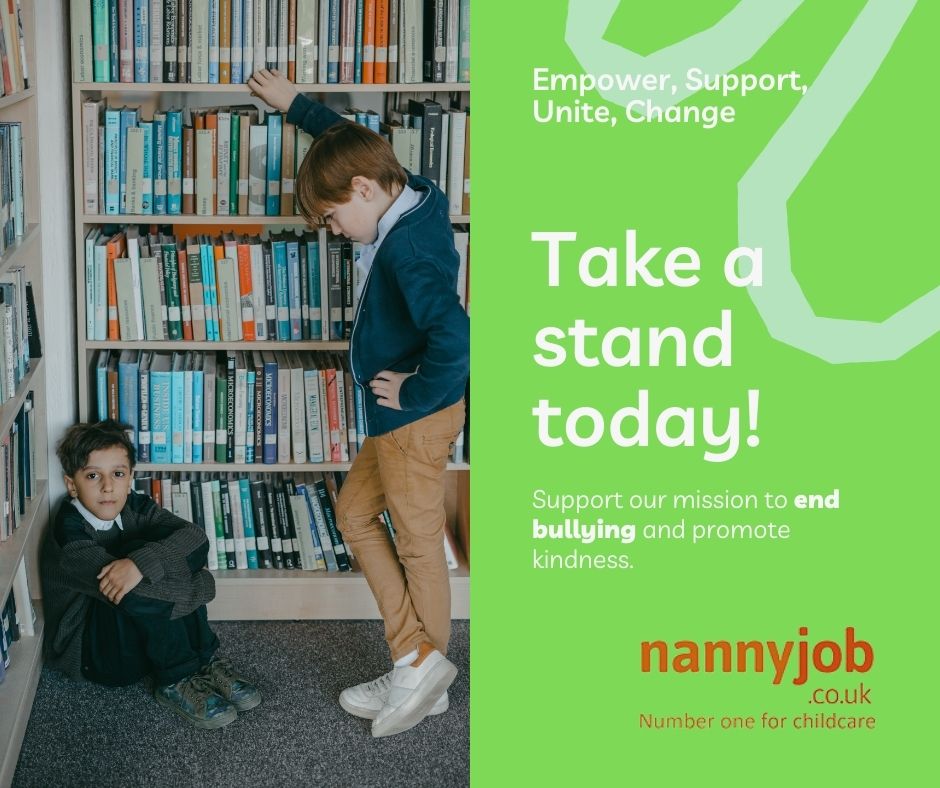
Helping Children Stand Up to Bullies

Introduction

Bullying is a challenging issue that affects many children, and knowing how to help them stand up to bullies can be invaluable. Empowering a child to handle bullying situations with confidence, resilience, and self-respect can positively impact their self-esteem and emotional well-being. Whether it’s verbal, physical, or online, bullying can have lasting effects, so it’s crucial to give children the tools to navigate these situations. Here’s a guide on helping children stand up to bullies with confidence and support.

1. Foster Open Communication

The first step in helping a child stand up to bullying is to establish a foundation of open, honest communication. Create a safe space where they feel comfortable sharing their experiences, feelings, and concerns without fear of judgment. Ask gentle questions, like, “Is something bothering you at school?” or “How are things going with your friends?” By building trust, children are more likely to share their experiences with bullying and seek support.

2. Teach Assertive Communication Skills

Teach your child assertive communication to help them stand up to a bully without escalating the situation. Assertiveness is about expressing oneself confidently and respectfully. Practice responses with them, such as saying, “Stop, that’s not okay,” or “I don’t like it when you do that.” Role-playing these scenarios can help children practice their tone and body language, ensuring they feel prepared if they encounter a bully.

3. Encourage Building a Supportive Friend Group

Having friends who are kind and supportive can make a world of difference in a child’s school life. Encourage your child to spend time with friends who make them feel valued and included. If they have strong friendships, they’re more likely to feel confident and supported. Encourage them to seek out others who share similar interests, whether in clubs, sports, or other activities.

4. Emphasize Self-Confidence and Self-Worth

Help your child understand that bullying is never their fault and does not reflect their worth. Encourage activities that build self-esteem, like sports, arts, or any hobby they enjoy. Praise their achievements and efforts, even in small things, to reinforce their sense of self-worth. A child who feels confident in their abilities and values is less likely to be negatively impacted by bullying and may even feel more empowered to stand up for themselves.

5. Teach Them When to Walk Away

Not all situations require a confrontation. Teach your child that it’s okay to walk away from a bully. Bullies often seek a reaction, so by refusing to engage, your child can deny them the attention they seek. Walking away and seeking help from an adult is a strong and effective way to handle the situation without escalating it.

6. Encourage Reporting and Seeking Help

Teach your child the importance of reporting bullying to a trusted adult, whether it’s a teacher, counselor, parent, or another responsible figure. Reassure them that asking for help is not a sign of weakness. Help them understand that adults are there to protect them and take their concerns seriously. If the bullying continues, working with the school or organization can create a safer environment for your child.

7. Discuss the Importance of Online Safety

With cyberbullying on the rise, it’s essential to educate children about online safety. Teach them to keep personal information private, avoid responding to negative messages, and report any instances of cyberbullying. Encourage them to think before they post and remind them that they can block or mute users who engage in bullying behavior.

8. Be a Positive Role Model

Children learn a lot by observing the adults around them. Model healthy ways to handle conflict and stand up for yourself respectfully. Show empathy and compassion toward others, especially those who may be experiencing hardship. When children see their parents or caregivers handle challenges with confidence and respect, they are more likely to adopt similar behaviors.

Conclusion

Helping children stand up to bullies is about empowering them with the confidence, resilience, and communication skills they need to navigate difficult situations. By fostering open communication, teaching assertiveness, and providing a strong support system, we can give children the tools to handle bullying with confidence and courage. Remember, they’re not alone—and with our support, they can face challenges with strength and resilience.


Encouraging Children to Enjoy Baking: Fun Recipes for Little Hands” (Baking Week)

Baking Week is the perfect opportunity to get children excited about being in the kitchen! 🍰 From measuring ingredients to decorating cupcakes, baking is a fun, hands-on activity that helps children develop skills like measuring, counting, and following instructions. Plus, it’s a great way to spend quality time together. Here are some easy-to-do recipes and tips for encouraging children to enjoy baking.

Introduction

Baking Week is the perfect opportunity to get children excited about being in the kitchen! 🍰 From measuring ingredients to decorating cupcakes, baking is a fun, hands-on activity that helps children develop skills like measuring, counting, and following instructions. Plus, it’s a great way to spend quality time together. Here are some easy-to-do recipes and tips for encouraging children to enjoy baking.

1. Make Baking Fun and Interactive

Turn baking into a game by letting children choose the recipes and ingredients. Explain each step as you go, and let them do as much as they can independently, from mixing batter to cracking eggs. It’s okay if things get a little messy—that’s part of the fun!

2. Choose Simple, Kid-Friendly Recipes

Start with simple recipes that don’t require too many ingredients or complex techniques. Here are a few ideas:

  • No-Bake Chocolate Oat Bites: Mix oats, cocoa powder, honey, and a little peanut butter. Roll into bite-sized balls and refrigerate. A healthy and easy treat!
  • Mini Pizzas: Use English muffins or pita bread as the base. Let kids spread sauce, sprinkle cheese, and add their favorite toppings.
  • Banana Bread Muffins: Combine mashed bananas, flour, sugar, eggs, and a pinch of cinnamon for delicious, fluffy muffins.

3. Teach Basic Kitchen Safety

Before starting, teach children about kitchen safety, such as using oven mitts, handling utensils properly, and the importance of washing hands. Supervise closely when using the oven or any appliances.

4. Get Creative with Decorations

Let children unleash their creativity by decorating cookies, cupcakes, or cakes with icing, sprinkles, and edible glitter. This part of baking allows them to express themselves and take pride in their creations.

5. Make it a Learning Experience

Baking offers plenty of learning opportunities. Talk about measurements, teach them how to set a timer, and explain how ingredients like baking soda and yeast work. It’s a delicious way to sneak in some education!

Conclusion

Baking is a fantastic way to bond with children while teaching them valuable skills. Choose simple recipes, make it fun, and enjoy the time spent together in the kitchen. Happy Baking Week! 🍪👩‍🍳

World Food Day: Teaching Children About Food and Nutrition

World Food Day, celebrated on October 16th, is an opportunity to teach children about the importance of healthy eating, where food comes from, and how to make sustainable food choices. It’s a day to appreciate food and understand the impact of food production on the environment and our health. Here’s how you can celebrate World Food Day with your children and inspire them to make mindful choices

Introduction

World Food Day, celebrated on October 16th, is an opportunity to teach children about the importance of healthy eating, where food comes from, and how to make sustainable food choices. It’s a day to appreciate food and understand the impact of food production on the environment and our health. Here’s how you can celebrate World Food Day with your children and inspire them to make mindful choices.

1. Explore Different Cuisines

Introduce children to different cuisines from around the world by trying new recipes together. Use this opportunity to talk about the origin of each dish, the culture it comes from, and the ingredients used. This helps children appreciate the diversity of food and learn about global cultures.

2. Start a Small Garden or Visit a Local Farm

If possible, start a small herb or vegetable garden at home. Involving children in growing their own food teaches them where food comes from and the effort that goes into producing it. Alternatively, visit a local farm to see food production in action and pick fresh produce.

3. Cook Together Using Seasonal and Local Ingredients

Cooking together is a great way to bond and teach children about seasonal eating and choosing local ingredients. Discuss the benefits of eating seasonal produce and how it supports local farmers and reduces the environmental impact of food transportation.

4. Reduce Food Waste

Teach children about the importance of reducing food waste. Get creative with leftovers, involve them in planning meals, and discuss ways to use up fruits and vegetables that are starting to spoil. It’s a valuable lesson in sustainability and resourcefulness.

5. Encourage Mindful Eating

During meals, encourage children to eat mindfully by focusing on the taste, texture, and smell of the food. Teach them to appreciate each bite and avoid distractions like screens during mealtimes. Mindful eating promotes a healthier relationship with food.

Conclusion

World Food Day is a wonderful opportunity to educate children about food, nutrition, and sustainability. By exploring different cuisines, cooking together, and practicing mindful eating, we can raise children who appreciate food and make healthier, more conscious choices.

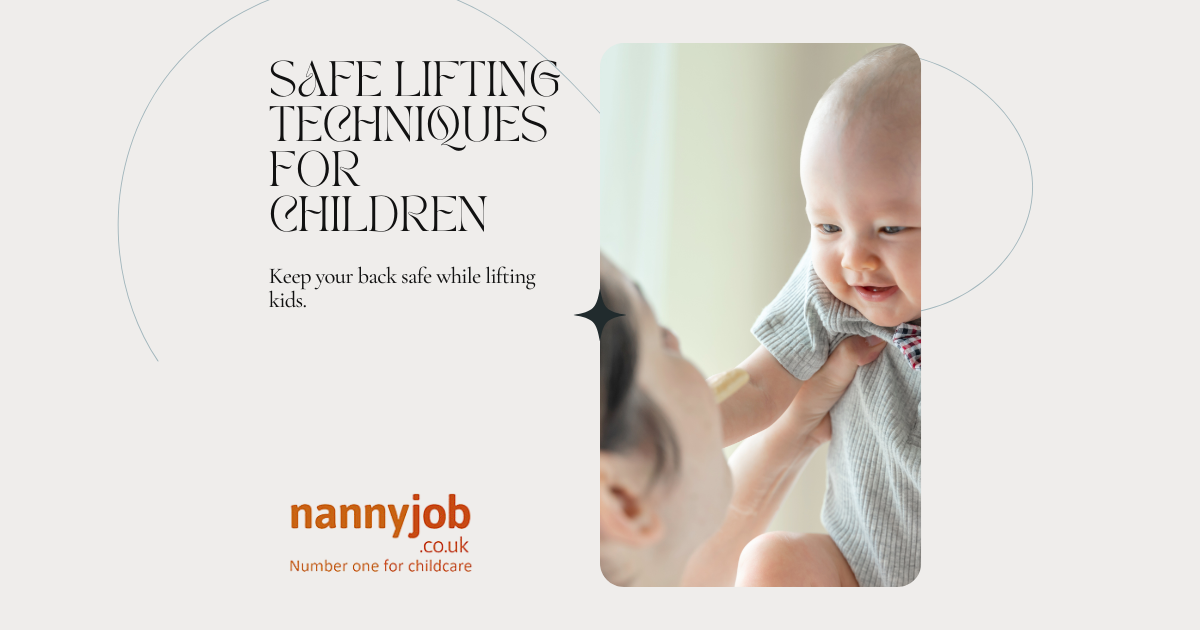
Back Awareness Week: How to Safely Lift and Carry Children”

Back Awareness Week is a reminder of the importance of taking care of our backs, especially for parents, nannies, and childcarers who often lift and carry young children throughout the day. Improper lifting techniques can lead to back strain, discomfort, or even long-term injuries. Here’s how you can protect your back and safely lift and carry children to prevent unnecessary strain and maintain good posture.

Introduction

Back Awareness Week is a reminder of the importance of taking care of our backs, especially for parents, nannies, and childcarers who often lift and carry young children throughout the day. Improper lifting techniques can lead to back strain, discomfort, or even long-term injuries. Here’s how you can protect your back and safely lift and carry children to prevent unnecessary strain and maintain good posture.

1. Practice Proper Lifting Techniques

When lifting a child, remember to bend at the knees, not at the waist. Keep your back straight and use the strength of your legs to lift, rather than putting all the strain on your lower back. Hold the child close to your body as you stand up, keeping your core engaged.

2. Avoid Twisting Movements

Avoid twisting your back while lifting or carrying a child. Instead, turn your whole body by pivoting your feet. Twisting while lifting can put unnecessary pressure on your spine and lead to injuries.

3. Use Baby Carriers or Slings Correctly

If you use baby carriers or slings, make sure they are ergonomically designed and provide adequate support for both your back and the child. Adjust the carrier so the child is at a comfortable height and weight distribution is balanced. When using slings or wraps, ensure they are tied securely and that your child’s weight is evenly distributed.

4. Maintain Good Posture

Pay attention to your posture when holding a child. Avoid slouching or leaning to one side. Keep your shoulders back and chest open, and engage your abdominal muscles for added support.

5. Take Regular Breaks

If you’re carrying a child for an extended period, take regular breaks to stretch and rest your back. Use supportive seating when possible and avoid carrying children on one hip for long periods, as it can cause imbalances and strain.

Conclusion

Taking care of your back is crucial, especially for those who lift and carry children frequently. By using proper techniques and maintaining good posture, you can reduce the risk of back injuries and keep yourself healthy and strong for years to come.

Losing a Child: How to Cope as a Family and Support Each Other”

The loss of a child is one of the most devastating experiences any family can endure. It affects every family member differently and requires an immense amount of support, understanding, and compassion. For parents, siblings, and caregivers like nannies, coping with this grief can be overwhelming. Here’s how families can navigate the painful process of loss and how nannies can provide essential support during this time.

Introduction

The loss of a child is one of the most devastating experiences any family can endure. It affects every family member differently and requires an immense amount of support, understanding, and compassion. For parents, siblings, and caregivers like nannies, coping with this grief can be overwhelming. Here’s how families can navigate the painful process of loss and how nannies can provide essential support during this time.

1. Allow Space for Grief

Grief is a highly individual process, and there is no right or wrong way to grieve. Allow every family member the space and time they need to process their emotions. Encourage open communication, and let children express their feelings in ways that feel comfortable for them.

2. Seek Professional Support

Professional counseling or therapy can provide invaluable support to families dealing with the loss of a child. Therapists can help children and parents navigate complex emotions, cope with grief, and find healthy ways to express their feelings.

3. Nannies: Offer Stability and Normalcy

Nannies play a crucial role in providing stability and routine during times of loss. Continue with familiar routines, such as meal times, play, and bedtime, to help siblings feel secure. Be a comforting presence, offer reassurance, and be ready to listen without judgment.

4. Create Meaningful Memories

Encourage the family to create meaningful ways to remember the child who has passed. This could include creating a memory box, planting a tree, or holding a special ceremony. These activities can provide comfort and help the family honor their child’s memory.

5. Be Patient and Compassionate

Grief is not linear, and emotions can change daily. Be patient with yourself and others. Show compassion, understanding, and empathy as the family navigates this incredibly difficult time.

Conclusion

Losing a child is a profound loss that requires time, space, and support to heal. By allowing room for grief, seeking professional help, and providing stability, families and caregivers can support each other through the darkest of times. Remember, you’re not alone—support is available.

Understanding Dyslexia and Dysgraphia: Supporting Children with Learning Differences

Dyslexia Awareness Week and Dysgraphia Awareness Day, observed in October, highlight the importance of understanding learning differences that affect reading and writing. Dyslexia and dysgraphia can present unique challenges for children in their academic journey, but with the right support, they can thrive. Here’s what you need to know about these learning differences and how to support children who are affected.

Introduction

Dyslexia Awareness Week and Dysgraphia Awareness Day, observed in October, highlight the importance of understanding learning differences that affect reading and writing. Dyslexia and dysgraphia can present unique challenges for children in their academic journey, but with the right support, they can thrive. Here’s what you need to know about these learning differences and how to support children who are affected.

1. What Are Dyslexia and Dysgraphia?

Dyslexia is a learning difference that primarily affects reading skills. Children with dyslexia may have difficulty with reading fluency, decoding words, spelling, and comprehension. Dysgraphia, on the other hand, impacts writing skills, including handwriting, spelling, and the ability to express thoughts in written form.

2. Recognising the Signs

Common signs of dyslexia include difficulty recognising words, trouble with phonemic awareness, and slow or inaccurate reading. Signs of dysgraphia may include poor handwriting, difficulty forming letters, inconsistent spacing, and challenges with organising thoughts on paper. Early identification is key to providing the right support and interventions.

3. Providing the Right Support

For children with dyslexia or dysgraphia, it’s essential to provide a supportive and understanding environment. Encourage them by focusing on their strengths and celebrating small achievements. Provide access to specialised resources, such as reading programs, occupational therapy, and assistive technology.

4. Collaborate with Educators and Specialists

Work closely with teachers, tutors, and specialists to create an individualised education plan (IEP) that addresses the child’s unique needs. Regular communication ensures everyone is aligned in providing the best support possible.

5. Encourage a Growth Mindset

Children with learning differences benefit from encouragement and a growth mindset. Remind them that everyone learns differently, and it’s okay to ask for help. Reinforce the idea that their efforts matter more than their struggles.

Conclusion

Understanding and supporting children with dyslexia and dysgraphia can make a significant difference in their educational experience. By recognising the signs, providing the right support, and fostering a positive environment, we can help them reach their full potential.

Celebrating Child Health Day: Tips for Raising Healthy, Happy Kids

Child Health Day, observed on the first Monday of October, is a time to focus on the well-being of our children. It’s a reminder to prioritise their physical, emotional, and mental health, and to take steps to create a safe and nurturing environment. Whether you’re a parent, nanny, or caregiver, there are many ways to contribute to a child’s health and happiness. Here are some practical tips to help you celebrate Child Health Day by fostering a healthy lifestyle for the children in your care.

Introduction

Child Health Day, observed on the first Monday of October, is a time to focus on the well-being of our children. It’s a reminder to prioritise their physical, emotional, and mental health, and to take steps to create a safe and nurturing environment. Whether you’re a parent, nanny, or caregiver, there are many ways to contribute to a child’s health and happiness. Here are some practical tips to help you celebrate Child Health Day by fostering a healthy lifestyle for the children in your care.

1. Encourage Physical Activity

Physical activity is essential for children’s growth and development. Encourage them to engage in at least 60 minutes of active play every day, whether it’s running, biking, dancing, or playing a sport. Physical activity not only improves fitness but also enhances mood, concentration, and overall well-being.

2. Focus on Nutritious Eating Habits

Good nutrition is vital for a child’s development. Offer a balanced diet that includes plenty of fruits, vegetables, whole grains, and lean proteins. Limit sugary snacks and processed foods, and encourage children to drink plenty of water. Make mealtimes fun by involving children in meal planning and preparation.

3. Prioritise Mental and Emotional Health

A child’s mental and emotional health is just as important as their physical health. Foster open communication and create a safe space for them to express their feelings. Encourage mindfulness practices, such as deep breathing or journaling, to help manage stress and emotions.

4. Ensure Adequate Sleep

Sleep is crucial for children’s growth, learning, and behavior. Establish a regular bedtime routine and ensure they get the recommended amount of sleep for their age. A consistent sleep schedule helps improve concentration, memory, and mood.

5. Promote Regular Health Check-Ups

Regular check-ups with a pediatrician, dentist, and eye specialist are essential for monitoring a child’s health and development. Stay up-to-date with vaccinations and screenings to prevent illness and detect any issues early.

Conclusion

Child Health Day is a wonderful opportunity to recommit to raising healthy, happy children. By encouraging physical activity, nutritious eating, good sleep habits, and emotional well-being, we can help children thrive today and in the future.

The Pros and Cons of Babywearing” (International Babywearing Week)

Babywearing, the practice of carrying a baby close to your body using a sling, wrap, or carrier, has been gaining popularity in recent years. For many parents and caregivers, babywearing offers numerous benefits, from promoting bonding to providing convenience in daily tasks. However, like any parenting practice, it also comes with its pros and cons. As we celebrate International Babywearing Week, let’s explore the advantages and potential drawbacks of babywearing to help you decide if it’s right for you and your baby.

Introduction

Babywearing, the practice of carrying a baby close to your body using a sling, wrap, or carrier, has been gaining popularity in recent years. For many parents and caregivers, babywearing offers numerous benefits, from promoting bonding to providing convenience in daily tasks. However, like any parenting practice, it also comes with its pros and cons. As we celebrate International Babywearing Week, let’s explore the advantages and potential drawbacks of babywearing to help you decide if it’s right for you and your baby.

Pros of Babywearing:

1. Promotes Bonding and Attachment

Babywearing allows for close physical contact, which promotes bonding and attachment between the caregiver and the baby. This proximity helps regulate the baby’s heartbeat, temperature, and emotions, fostering a sense of security and trust.

2. Offers Convenience and Hands-Free Mobility

Carrying your baby in a wrap or sling leaves your hands free to complete everyday tasks, making it easier to balance caring for a baby with daily responsibilities. It also makes navigating crowded spaces, such as public transport or shopping centers, more manageable.

3. Supports Infant Development

Being carried upright can help improve a baby’s digestion, reduce reflux, and promote healthy hip development. The gentle motion and closeness to the caregiver can also soothe fussy babies and help them sleep better.

4. Enhances Social Interaction

Babywearing allows babies to be at eye level with adults, promoting social interaction and language development. They are more likely to engage with their surroundings, which can support cognitive development.

Cons of Babywearing:

1. Can Be Physically Straining

Carrying a baby for extended periods can cause back, neck, or shoulder strain for the caregiver, especially if the carrier is not ergonomically designed or worn correctly. It’s important to choose the right carrier and learn proper positioning to minimize discomfort.

2. Potential for Overheating

Babies can become overheated when worn in warm weather or in overly thick carriers. It’s important to dress both the baby and the caregiver appropriately and choose breathable materials to ensure comfort.

3. Requires Learning and Practice

Learning how to use a baby carrier properly can take time and practice. Some carriers may have a steep learning curve, and improper use can pose safety risks. It’s crucial to follow the manufacturer’s instructions and seek guidance if needed.

4. Not Suitable for All Activities

While babywearing offers hands-free mobility, it’s not suitable for all activities. It’s important to assess safety risks and avoid activities where babywearing may pose a danger, such as cooking or exercising.

Conclusion

Babywearing offers many benefits, but it also comes with some challenges. By understanding the pros and cons, you can make an informed decision about whether babywearing is right for you and your baby. Whatever you choose, remember that the most important thing is finding what works best for your family.